プリント版に切り替え
 詳細を表示
詳細を表示







































 いずれかの辺が105 cm(約41インチ)を超えるアートワークまたは複製画の場合、フレームは分解されたキットの状態でお届けいたします。この方法は、輸送中の破損を防ぎ、安全に配送するために採用しております。


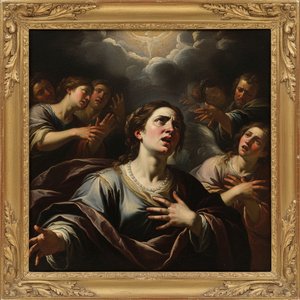
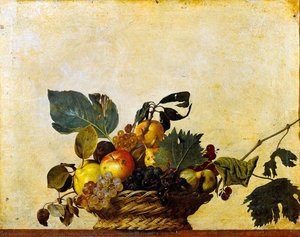
Magdalene (detail)
Caravaggio's Magdalene (detail) is a poignant and powerful painting that showcases the artist’s mastery of light, emotion, and composition. Created in 1596, this oil on canvas work is housed at the Galleria Doria Pamphilj in Rome, Italy.The Painting's Context
The subject of the painting is Mary Magdalene, a figure from Christian tradition known for her repentance and devotion. Caravaggio’s depiction of Magdalene is unique in its realism and emotional depth, setting it apart from traditional representations of the time. The painting captures a moment of introspection and sorrow, as Magdalene sits on the floor surrounded by symbols of her former life: jewelry, pearls, and a vase. This scene reflects the broader spiritual concerns of the Baroque era—a period marked by intense religious fervor and an emphasis on dramatic expression. Caravaggio deliberately rejected idealized beauty, opting instead for unflinching portrayals of human vulnerability and suffering, mirroring the biblical narrative itself.Artistic Techniques
Caravaggio’s use of chiaroscuro, a technique that emphasizes contrasts between light and dark, creates a dramatic effect. The light source is positioned to highlight Magdalene's face and hands, drawing the viewer’s attention to her emotional state. This innovative lighting technique was characteristic of Caravaggio’s style and influenced many subsequent artists. He achieved this breathtaking illusionism through meticulous layering of glazes—thin coats of translucent paint—allowing for subtle gradations of color and texture that contribute to the painting's palpable atmosphere. The artist skillfully manipulated tonal values, creating a sense of depth and volume that transcends mere visual representation.Symbolism and Interpretation
The scattered jewelry and pearls symbolize Magdalene’s renunciation of worldly possessions and her embrace of a more spiritual path. They represent not opulent wealth but rather the shedding of material distractions in favor of inner piety. The vase, often interpreted as a symbol of purity, underscores the theme of repentance. Caravaggio's attention to detail in depicting these objects adds depth to the narrative—each element serves as a visual cue for contemplation on themes of faith and redemption. Furthermore, Magdalene’s slumped posture conveys humility and sorrow, reinforcing the painting’s central message about spiritual transformation.Caravaggio's Influence
Caravaggio was a pivotal figure in the Baroque period, and his works had a profound impact on the development of Western art. His realistic and emotionally charged paintings influenced artists such as Rembrandt and Diego Velázquez. He revolutionized artistic practice by prioritizing direct observation and rejecting academic conventions—a bold stance that challenged established norms and paved the way for future generations of painters. The OriginalUniqueArt website offers exceptional reproductions of Caravaggio’s art, allowing viewers to experience his genius firsthand. For more information on Caravaggio and his legacy, explore these resources: - Caravaggio - List of paintings by Caravaggio To discover more artworks and artists, visit: - Michelangelo Merisi Da Caravaggio - Caravaggio (Michelangelo Merisi): Magdalene Experience the beauty and emotion of Caravaggio's art through OriginalUniqueArt’s hand-made oil painting reproductions.Q&A
「マグダラのマリア(細部)」のバロックには、どの国のルーツが反映されているのでしょうか?
「マグダラのマリア(細部)」は、スペイン出身のカラヴァッジョによって、バロックの潮流の中で制作されました。アーティストの出自は、この作品をスペインの作家たちが実践したバロックへと結びつけています。
カラヴァッジョには、他にどのような別名や通称がありますか?
カラヴァッジョは、ミケランジェロ・メリージ・ダ・カラヴァッジョ, ミケーレ・アンジェロ・メリギ, アメリギ・ダ・カラヴァッジョという別名でも表記されます。
拡張現実(AR)を使って、自分の部屋にカラヴァッジョ作「マグダラのマリア(細部)」を配置して見ることはできますか?
「マグダラのマリア(細部)」は、拡張現実(AR)でのプレビューが可能です。対応デバイスで作品のARで見るページを表示すると、ご自身の空間に作品を配置してご確認いただけます。
More about this painting
 設置イメージを表示
 シェアする
シェアする シェアする
シェアする
 詳細を見る
詳細を見る ガイドを表示

 ダウンロード
 似ている作品
 X線調査
X線調査 スライドショーを表示
 Q&A
Q&A 統計情報
統計情報