

 設置イメージを確認
 送る
送る シェア
シェア
 詳細情報
詳細情報 ガイドを表示

 画像をダウンロード
 似ている作品
 X線調査
X線調査 スライドショー
 統計情報
統計情報Salome


 続きを読む
続きを読む
手描き油彩複製画
当社のアーティストが、お客様のご希望のサイズと額縁に合わせて、キャンバスに手描きで制作する油彩画です。 ( プリント版に切り替え デジタル画像販売へ切り替え)




































作品のオリジナル比率に合わせた、当店の規定サイズからお選びください。

特定のフレームやスペースに合わせて、ご希望のサイズをご入力いただけます。選択されたサイズが元の画像の比率と異なる場合、アートワークをトリミングするか、手描きで要素を追加して絵画を拡張いたします。デジタルモックアップ を制作し、制作開始前にご確認(承認)をいただきます。
画面上のプレビューは、実際のトリミングや拡張を正確に反映しているものではありません。最終的な構図は、モックアップによってのみ正確にご確認いただけます。
カスタムサイズもご利用いただけますが、元の比率を維持するためには、あらかじめ用意されたリストからサイズを選択することをお勧めいたします。
ご注文後、OriginalUniqueArt.com チームより詳細な指示をお送りするとともに、仕上がりイメージ(モックアップ)をご提供いたします。


 ガラスオプションは、110cm未満のサイズでのみご利用いただけます。

Salome
再現技法
複製画サイズ一覧
-


合計金額
$ 300
アーティストについて
The Legacy of Callisto Piazza da Lodi
In the vibrant tapestry of the Italian Renaissance and the burgeoning Baroque era, few names capture the essence of Lombardy’s artistic transition quite like Callisto Piazza da Lodi. Born in the historic city of Lodi around 1500, Piazza emerged as a pivotal figure within the Brescian school, a movement that would eventually redefine the visual language of Northern Italy. His life and work serve as a bridge between the meticulous, refined elegance of the Ferrarese tradition and the dramatic, emotive power of the Brescian masters. Though historical records offer only glimpses into his private years, his brushwork reveals a man deeply attuned to the shifting currents of 16th-century culture, where humanist ideals and papal patronage breathed new life into religious and secular iconography alike.
The foundations of Piazza’s mastery were likely laid within the fertile ground of a family of painters. The Piazza clan established a significant presence in Brescia, creating a workshop environment that functioned as both a sanctuary for tradition and a laboratory for innovation. It is widely believed by scholars that his early training was shaped by the influence of Ludovicto Mazzolino of Ferrara, whose style brought a certain jewel-like precision and intricate detail to the canvas. This Ferrarese influence, blended with the subtle nuances of Giovanni Agostino da Lodi, allowed Piazza to develop a technique that balanced delicate ornamentation with a growing interest in the atmospheric depth and light-play that would become hallmarks of his mature period.
A Master of Light and Brescian Drama
As his career progressed, Piazza became deeply embedded in the artistic soul of Brescia, a city that was then undergoing a profound stylistic evolution. He operated within a collective spirit, contributing to a body of work that embraced the revolutionary chiaroscuro effects championed by contemporaries such as Gian Battista Romanino. This mastery of light and shadow allowed him to imbue his religious frescoes and altarpieces with a sense of palpable presence and spiritual weight. His compositions often moved away from static, iconographic arrangements toward more dynamic, narrative-driven scenes that invited the viewer into a shared emotional space.
The development of his style can be observed through several key artistic pillars:
- The Integration of Chiaroscuro: Utilizing dramatic contrasts to create volume and a sense of theatrical movement within sacred narratives.
- Ferrarese Precision: Retaining a meticulous attention to detail and fine textures, a remnant of his early stylistic influences.
- Lombard Naturalism: A commitment to depicting figures and landscapes with an earthy, grounded realism that resonated with the Brescian aesthetic.
- Architectural Grandeur: His ability to execute large-scale frescoes that harmonized seamlessly with the ecclesiastical architecture of Northern Italy.
Historical Significance and Artistic Endurance
The historical importance of Callisto Piazza da Lodi lies not only in his individual achievements but in his role as a conduit for regional artistic identity. By synthesizing the refined elegance of the Ferrarese school with the rugged, emotive energy of the Brescian movement, he helped forge a distinct visual dialect that would influence generations of Lombard painters. His commissions, ranging from intimate devotional works to expansive religious frescoes, reflect the broader socio-political landscape of 16th-century Italy, where art served as both a tool for spiritual instruction and a symbol of civic prestige.
Though the passage of centuries has obscured some of the finer details of his biography, the enduring impact of his oeuvre remains visible in the way light interacts with form in the works of his successors. Piazza’s ability to capture the divine within the human experience—through the careful application of pigment and the strategic use of shadow—ensures his place in the pantheon of Italian masters. He remains a vital subject for any student of the Renaissance, representing a moment in time when the boundaries of art were being pushed toward the dramatic brilliance of the Baroque.
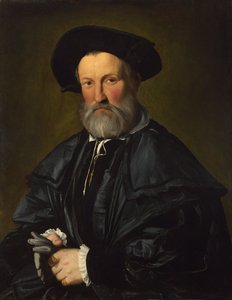
Callisto Piazza da Lodi
1500 - 1561 , Italy
アーティスト情報
- Artistic Movement Or Style: Brescian Style
- Artists Or Movements Influenced By This Artist: ['Romanino']
- Artists Who Influenced This Artist:
- Romanino
- Moretto
- Dosso Dossi
- Ludovico Mazzolino
- Date Of Birth: Lodi, Italy (1500)
- Date Of Death: 1561
- Full Name: Callisto Piazza da Lodi
- Nationality: Italian
- Notable Artworks:
- The Concert
- St Catherine of Alexandria
- Madonna and Child
- Place Of Birth: Lodi