

 設置イメージを確認
 送る
送る シェア
シェア
 詳細情報
詳細情報 ガイドを表示

 画像をダウンロード
 似ている作品
 X線調査
X線調査 スライドショー
 統計情報
統計情報ソファー
 キャンバスにアクリル絵具
- ウォールアート
- Impressionistic Style
 1948
1948 39.0 x 38.0 cm
 Bristol Museum - Art Gallery
 続きを読む
続きを読む
このページに掲載されている作品は著作権法によって保護されており、当社の許可なく同一の複製物を制作または販売することは法律で禁じられています。この保護は、以下のような国際条約に基づき執行されます。 ベルヌ条約 および、以下の条項に定められたものを含む各国の法律により、 米国著作権法 第17編。
この手法は、著作権で保護された作品の複製や複写を伴わないため、著作権法に完全に準拠しています。これは単なる模倣ではなく、創造的な再解釈です。元の作品からインスピレーションを受けつつも、それとは異なる、全く新しい絵画を生み出すものです。
ジークレー/アートプリント
スピーディーな制作と多彩な仕上げオプションが魅力の、ミュージアムクオリティなジークレー・キャンバスプリント。 ( 手描きの複製画を注文する デジタル画像販売へ切り替え)




P118B ¥10

P118H ¥10

P118W ¥10

P438Z ¥10

P508JH ¥12

P508YH ¥12

P805H ¥10

P805Z ¥10

P919BZ ¥10

P919G ¥10

P919XJ ¥10

P959ZH ¥10

P968JZ ¥12

W106C ¥8

W218G ¥10

W218JH ¥8

W218Y ¥10

W307PJ ¥10

W316G ¥10

W316PJ ¥8

W316Y ¥10

W398PJ ¥8

W4111J ¥10

W500HY ¥15

W500JH ¥15

W692G ¥12

W849H ¥8

W940BG ¥15

W953PJ ¥8




作品のオリジナル比率に合わせた、当店の規定サイズからお選びください。

額縁や壁のスペースに合わせて、ご希望の幅と高さを入力してください。プリントはカットすることは可能ですが、元の画像より大きくすることはできないため、異なる比率のサイズを選択された場合は、画像の一部が欠けることになります。印刷を開始する前に、内容を確認していただくためのデジタルモックアップをお送りいたします。このページに表示されている画像は、実際のカット後の状態を示すものではありません。実際の仕上がりはモックアップにてご確認ください。


 ガラスオプションは、110cm未満のサイズでのみご利用いただけます。

ソファー
ジークレー/アートプリント
複製画サイズ一覧
-


合計金額
¥ 12591
「ソファー」 bernard dunstan の作品について
イギリスの画家、bernard dunstan ラは、特に室内風景画と人物画を得意とし、その静謐な表現力で多くの人々を魅了しました。彼の作品「ソファー」(1948年)は、英国美術界における卓越した実績を持つアーティストの一人として知られています。この絵画は、イギリスのテデンドンの生まれで、バイアム・シャウ校園美術とスレイド美術アカデミーで学びました。その後、ロイヤルウェストイイングランドアカデミー長を務め、1968年には正式会員に迎えられました。 Dunstan の絵画は、印象派の影響を受けながらも、繊細な色彩使いと光の表現が特徴です。「ソファー」では、女性がソファーに座り、腕を胸に当てています。彼女はネックレスを身につけており、ソファーには花の模様が施されています。背景には椅子が二脚配置されており、ソファーの後ろにある椅子は少し離れた場所にあります。そして絵画の中心となるのは、ソファーの左側に立つ馬です。この馬は、Dunstan が取り入れた風景の中に組み込まれ、静寂と優雅さを演出しています。 Dunstan の作品におけるモチーフは、特に室内空間における人物や風景を描くことで知られています。彼は、レノアールやボンナールといった印象派の画家たちから影響を受けました。また、ウィルター・シクテルトやパウル・ヴィユラールといった画家たちの技法も彼の絵画に反映されています。「ソファー」は、Dunstan がこれらの画家たちの影響を受けながら表現した作品であり、その美しい色彩と静謐な雰囲気は、見る人に深い感動を与えます。特に、ロイヤルアカデミーの長を務めた経験から、Dunstan は美術史における重要な人物として認識されています。彼の絵画は、単なる風景画や人物画にとどまらず、人間の感情や精神性を表現する芸術作品です。この作品は、インテリアデザイナーやアート愛好家にとって、洗練された空間に調和する美しい絵画と言えるでしょう。- スタイル:印象派
- 技法:繊細な色彩使いと光の表現
- モチーフ:室内風景と人物画
- 影響を受けた画家:レノアール、ボンナール、ウィルター・シクテルト、パウル・ヴィユラール
よくあるご質問
「ソファー」はいつ制作されたもので、どの様式(ムーブメント)に属していますか?
「ソファー」は、Impressionistic Styleの作品として1948年に制作されました。制作年と様式は、美術史におけるこの作品の位置付けを明確にするものです。
Bernard Dunstan作「ソファー」の複製画には、どのサイズがおすすめですか?
Bernard Dunstan作「ソファー」には、Largeのレプリカをおすすめします。比率を維持したまま、サイズを調整することが可能です。
「ソファー」の著作権の状態が、なぜ現在のようになっているのでしょうか?
Bernard Dunstanによる「ソファー」は著作権により保護されていますです。著作権の保護期間は作者の没年から起算されますが、Bernard Dunstanは2017年に亡くなっています。
アーティストについて
A Life Dedicated to Observation: The World of Bernard Dunstan
Bernard Dunstan, Royal Academician (1920-2017), stands as a quietly compelling figure in 20th and 21st century British art. Though perhaps not a household name, his long career – he was the longest serving Royal Academician at the time of his death – was marked by a steadfast dedication to painting figures within interiors and evocative landscapes, rendered with a sensitivity that speaks to both Impressionistic roots and a uniquely personal vision. Born in Teddington, Middlesex, Dunstan’s artistic journey began in 1939 with studies at the Byam Shaw School of Art, quickly followed by formal training at the prestigious Slade School of Fine Art in London until 1941. These formative years instilled in him a rigorous approach to technique and observation that would define his oeuvre. The interruption of war undoubtedly shaped a generation of artists, but Dunstan’s commitment remained unbroken; he continued to develop his style, focusing on capturing the subtleties of light and atmosphere.The Development of a Distinctive Style
Dunstan's artistic development wasn’t one of radical shifts, but rather a gradual refinement of focus and technique. Early works demonstrate an engagement with realism, yet even then, a concern for tonal qualities and the interplay of light hinted at his future direction. He became a member of the New English Art Club in 1947, a group that championed representational painting during a period dominated by abstraction. This affiliation provided a supportive environment for Dunstan to explore his growing interest in capturing fleeting moments and subjective experiences. His palette evolved towards a softer, more luminous quality, influenced by artists he deeply admired – Renoir, Bonnard, and Vuillard. However, Dunstan wasn’t simply imitating these masters; he synthesized their lessons with the distinctly British sensibilities of Walter Sickert and Philip Wilson Steer, creating a style that was both intimate and sophisticated. His interiors are not grand statements but rather quiet observations of domestic life, often featuring figures absorbed in everyday activities, bathed in gentle light. Landscapes similarly eschew dramatic vistas for more subtle depictions of the English countryside, emphasizing mood and atmosphere over topographical accuracy.A Teacher and a Scholar
Beyond his own painting practice, Bernard Dunstan was a dedicated educator, profoundly influencing generations of artists. He held teaching positions at numerous prestigious institutions including the Royal West of England Academy in Bristol (1946-1949), Camberwell School of Art (1950-1964), Byam Shaw School (1953-1974), Ravensbourne Art College (1959-1964) and the City and Guilds of London Art School (1964-1969). This commitment to teaching wasn’t merely a means of livelihood; it reflected his belief in the importance of passing on knowledge and fostering artistic talent. His pedagogical approach likely emphasized direct observation, careful study of light and colour, and an understanding of art history – principles evident in his own work. Furthermore, Dunstan was a prolific writer on painting, sharing his insights with a wider audience through books such as Painting Methods of the Impressionists (1976). This demonstrated not only technical mastery but also a deep intellectual engagement with the artistic process.Recognition and Legacy
Dunstan’s dedication to his craft was recognized throughout his career, culminating in his election as a full member of the Royal Academy in 1968. He served as President of the Royal West of England Academy from 1979 to 1984, further solidifying his position within the British art establishment. His works are now held in significant public collections including the National Portrait Gallery, the Royal Collection at Windsor Castle, and the Museum of London – a testament to their enduring quality and historical importance. While he may not have sought fame or notoriety, Bernard Dunstan’s quiet persistence and unwavering commitment to observation left an indelible mark on British painting. His ability to capture the beauty in everyday moments, combined with his technical skill and intellectual depth, continues to resonate with viewers today. He was married to fellow Royal Academician Diana Armfield, and is also the father of Professor David Dunstan, a physicist – demonstrating a family legacy that extends beyond the realm of art. His passing in 2017 at the age of 97 marked the end of an era, but his paintings remain as enduring reminders of a life dedicated to the pursuit of artistic truth and beauty.
Bernard Dunstan
1920 - 2017 , United Kingdom
アーティスト情報
- Date Of Birth: 1920
- Date Of Death: 2017
- Place Of Birth: Teddington, United Kingdom
- Artistic Movement Or Style: 1920s Art Deco
- Artists Who Influenced This Artist: ['Marcel Duchamp']
- Artists Or Movements Influenced By This Artist:
- Dada
- Surrealism
関連記事
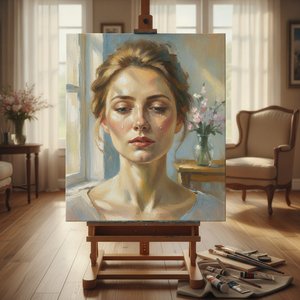
Capturing Light & Emotion: A Guide to Impressionistic Portraiture for Your Home
Discover how Impressionistic portraiture can elevate your home. Learn to use light, color, and texture to create an emotive interior with expert guidance on selecting and customizing museum-quality oil reproductions that transform modern spaces into timeless sanctuaries.

ルノワール傑作25選:光と色彩が織りなす印象派の華麗なる世界 | OriginalUniqueArt
ルノワールの傑作25選🎨 印象派の光と色彩が輝く世界へ。絵画の背景、技法、そして時代を超えて愛される理由を紐解きます。OriginalUniqueArtで高品質な複製画やインテリアアートを見つけ、お部屋に芸術的な彩りを✨ Explore the full collection online!
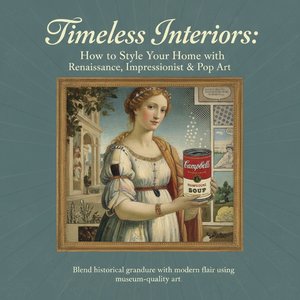
時代を超越するインテリア美学:ルネサンス様式、印象派の光彩、そして現代的空間への調和
ルネサンス様式から印象派、現代アートまで。美術史に基づいたインテリア美学を解説。OriginalUniqueArt.comで至高の油絵複製やカスタムアートを手に入れ、あなただけの空間を創造しましょう。無料相談受付中。
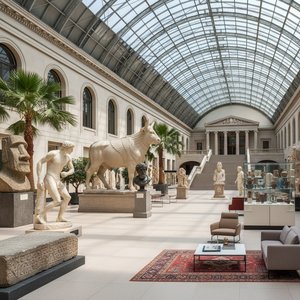
大英博物館の至宝25選:歴史と芸術が織りなす感動の旅 | OriginalUniqueArt
大英博物館の至宝25選:歴史を彩る絵画、彫刻の世界へ。印象派から古代美術まで、名作の背景と芸術家の情熱に迫ります。OriginalUniqueArtで高品質なアート複製やインテリアをお楽しみください。オンラインで全コレクションをご覧ください。

The Enduring Allure of the Nude: A Historical & Artistic Exploration of the Human Form
Explore the captivating history of nude art! Discover iconic paintings & artists from classical to modern eras. Uncover symbolism, techniques & find museum-quality reproductions at OriginalUniqueArt.