
 シェアする
シェアする シェアする
シェアする
 詳細を見る
詳細を見る ガイドを表示

 ダウンロード
 似ている作品
 スライドショーを表示
 Q&A
Q&A 統計情報
統計情報The Burghers of Calais

- 100.0 x 153.0 cm


 詳細を表示
詳細を表示
ジークレー/アートプリント
スピーディーな制作と多彩な仕上げオプションが魅力の、ミュージアムクオリティなジークレー・キャンバスプリント。 ( 手描き複製画を注文する デジタル画像販売へ切り替え)




































作品のオリジナル比率に合わせた、当店の規定サイズからお選びください。

額縁や壁のスペースに合わせて、ご希望の幅と高さを入力してください。プリントはカットすることは可能ですが、元の画像より大きくすることはできないため、異なる比率のサイズを選択された場合は、画像の一部が欠けることになります。印刷を開始する前に、内容を確認していただくためのデジタルモックアップをお送りいたします。このページに表示されている画像は、実際のカット後の状態を示すものではありません。実際の仕上がりはモックアップにてご確認ください。


 ガラスオプションは、110cm未満のサイズでのみご利用いただけます。

The Burghers of Calais
ジークレー/アートプリント
複製画サイズ一覧
-


合計金額
¥ 12795
The Weight of Sacrifice: Benjamin West’s “The Burghers of Calais”
Benjamin West's "The Burghers of Calais" isn’t merely a historical painting; it’s a profound meditation on courage, sacrifice, and the enduring spirit of humanity. Completed in 1789, this monumental canvas—measuring an imposing 100 x 153 cm—captures a pivotal moment during the Hundred Years' War, when the besieged city of Calais offered itself to the English army under Edward III. More than just a depiction of a siege, West masterfully conveys the agonizing choice faced by six prominent citizens who volunteered to walk to Dover and offer themselves as hostages – a decision that ultimately saved their city from utter destruction.
West’s artistic approach is deeply rooted in Neoclassicism, a style characterized by its emphasis on order, clarity, and idealized forms. He meticulously renders the figures in rich, dramatic lighting, drawing inspiration from classical sculpture. The composition itself is carefully structured around a central pyramidal form, anchored by the woman at the heart of the scene – a figure often interpreted as representing Calais herself. Her posture exudes both sorrow and resolute dignity, embodying the city’s collective spirit. The use of oil on canvas allows for an incredible depth of color and texture; West expertly captures the rough wool of their garments, the glint of steel on their armor, and the subtle nuances of human emotion.
A Scene of Desperate Resolve
The historical context surrounding “The Burghers of Calais” is crucial to understanding its emotional power. Calais had endured a grueling 11-month siege, facing starvation and relentless bombardment. The painting doesn’t shy away from the grim reality of the situation; the faces of the burghers are etched with worry, exhaustion, and a palpable sense of dread. Yet, amidst this despair, there's an undeniable strength—a willingness to face death rather than surrender their city to the English. The scene is not one of triumphant heroism, but of quiet, dignified sacrifice. The figures aren’t posed in dynamic action; instead, they are frozen in a moment of agonizing contemplation, each grappling with the weight of their impending fate.
Notably, West deliberately departed from traditional heroic depictions of historical events. He eschewed the glorification often associated with military victories and instead focused on the human cost of conflict. The inclusion of Queen Philippa, Edward III’s wife, who intervened to spare the burghers' lives, adds a layer of poignant humanity to the narrative. Her gesture—a plea for mercy—highlights the moral complexities inherent in war and underscores the importance of compassion even amidst adversity.
Symbolism and Emotional Resonance
Beyond its historical accuracy, “The Burghers of Calais” is rich in symbolism. The keys they carry represent not just the surrender of the city but also a symbolic relinquishing of their lives. The woman at the center, often identified as representing Calais, embodies the spirit of resistance and resilience. Her gaze is fixed on an unseen horizon, suggesting both hope and acceptance of her fate. The muted color palette—dominated by browns, grays, and ochres—contributes to the painting’s somber mood, reinforcing the sense of loss and sacrifice.
West's masterful use of light and shadow further enhances the emotional impact of the scene. The figures are bathed in a dramatic chiaroscuro effect, creating a powerful contrast between darkness and illumination. This technique draws attention to their faces, emphasizing their expressions of sorrow, determination, and courage. The painting invites viewers to contemplate not only the historical events depicted but also the universal themes of sacrifice, duty, and the enduring strength of the human spirit.
A Legacy in Reproduction
Originally housed within the Royal Collection at Windsor Castle, “The Burghers of Calais” has captivated audiences for centuries. Today, high-quality reproductions—available through platforms like OriginalUniqueArt.com—offer art lovers a unique opportunity to experience the painting’s profound beauty and historical significance in their own homes. These meticulously crafted prints capture the essence of West's original masterpiece, allowing you to bring this iconic work of art into your space and contemplate its timeless message of courage and sacrifice.
Q&A
「The Burghers of Calais」は、ベンジャミン・ウェストのキャリアにおけるどの時期の作品でしょうか?
「The Burghers of Calais」は、ベンジャミン・ウェストの画業におけるMature Periodに属します。この分類は、作品をアーティストの作風の変遷に関連付けるものです。
ベンジャミン・ウェスト作「The Burghers of Calais」 の技法(画材)は何ですか?
「The Burghers of Calais」の技法はSculptureです。
ベンジャミン・ウェスト作「The Burghers of Calais」はどのような種類の作品ですか?
ベンジャミン・ウェスト作「The Burghers of Calais」はSculptureに分類されます。このカテゴリーは、原画の作品形式を表しています。
作家プロフィール
ペンシルベニアの若き才能:ベンジャミン・ウェストの生い立ちと初期のキャリア
1738年、植民地時代のペンシルベニアに生まれたベンジャミン・ウェストは、新旧大陸を繋ぐ芸術家として頭角を現しました。彼の生涯は、並外れた独学精神、揺るぎない野心、そして貴族のパトロンと革命的な思想の両方と繋がりを持つ類まれな能力によって彩られています。スプリングフィールドで宿屋の息子として生まれたウェストは、幼少の頃から芸術に触れ、正式な訓練を受ける前にネイティブ・アメリカンから基本的な技術を学んだと言われています。この型破りな始まりが、彼のキャリア全体を通して見られる革新的な精神を育みました。彼はフィラデルフィアやニューヨークで求められる肖像画家としてすぐに頭角を現しましたが、より深い芸術的知識への渇望は彼を1760年にヨーロッパへと導き、アメリカ美術の進路を永遠に変える旅に出発しました。イタリアからロンドンへ:名声への道
ウェストがイタリアに到着したことは転換点となりました。ヨーロッパの芸術の中心地で没頭し、彼はティツィアーノやラファエロなどの巨匠を研究し、アントン・ラファエル・メングスやアンジェリカ・カウフマンのような同時代の新古典主義思想家と交流しました。この時期は彼の美的感性を形成する上で非常に重要であり、古典的な形式と歴史的物語への理解を深めました。しかし、最終的にロンドンが彼の帰身の地となり、芸術の中心地となりました。1763年に到着したウェストは、野心的なキャンバスで観客を魅了し、ジョージ3世国王の後援を得て、瞬く間にイギリス美術界のランクを駆け上がりました。この王室からの支持は経済的安定をもたらしただけでなく、彼の地位を確立しました。1769年のロイヤル・アカデミーへの選出は画期的な瞬間であり、彼は後に1892年から亡くなるまで会長を務めることになります。彼の影響力は自身の芸術作品の制作を超え、アメリカ人アーティストが海外で訓練を受けるための支援と指導を提供し、アリストンやコプリー、モースといった次世代の画家たちを育てました。歴史画の革新:技法と論争
ウェストの芸術世界への影響は、単に技術的な習熟度を達成することだけではありませんでした。それは慣習に挑戦することについてでした。彼は歴史画を再考し、古典的な先例への厳格な遵守から離れ、より現代的な感性を取り入れました。おそらく彼の最も有名な作品である「ウォルフ将軍の死」(1770)は、この革新的なアプローチを具体的に示しています。従来のローマ風の衣装ではなく、*同時代の*軍服を着た人物を描くことで、ウェストは大きな議論を巻き起こしました。批評家たちは歴史的正確性を疑問視しましたが、観客はそのシーンの即時性と感情的な共鳴に魅了されました。この大胆な動きは、より現実主義と物語性のある歴史画へのシフトを示し、それに続く無数のアーティストに影響を与えました。彼のスタイルは時間の経過とともに進化し、後の作品にはロマン主義の要素を取り入れましたが、常に野心的な構成と詳細な実行へのコミットメントを維持しました。他の注目すべき作品であるテティスが鎧をもたらす、三姉妹、アステュアナクスの恐怖、絶望の洞窟は、彼の多様性と神話や歴史的テーマにおける習熟度を示しています。永続的な遺産:芸術的アイデンティティの形成
ベンジャミン・ウェストの遺産は、彼が制作したキャンバスを超えています。彼はアメリカ美術の風景を根本的に変え、歴史画をアメリカ人アーティストにとって実行可能なジャンルとして確立し、国民的な芸術的アイデンティティの感覚を育みました。ロイヤル・アカデミーの会長としての彼の地位は、イギリス美術への影響力を確固たるものにし、革新を促進し、新たな才能を支援しました。- 彼は、よりアクセスしやすく感情的に魅力的な歴史表現のスタイルを提唱しました。
- 彼のスタジオは、ヨーロッパで訓練を受けるアメリカ人アーティストのための避難所となりました。
- 彼は、新古典主義の理想と勃興するロマン派運動との間の架け橋となりました。

ベンジャミン・ウェスト
1738 - 1820 , アメリカ合衆国
プロフィール概要
- Artistic Movement Or Style: 新古典主義、ロマン主義
- Artists Or Movements Influenced By This Artist:
- オールストン
- コプリー
- モース
- Artists Who Influenced This Artist:
- ティツィアーノ
- ラファエロ
- メングス
- Date Of Birth: 1738年10月10日
- Date Of Death: 1820年3月11日
- Full Name: ベンジャミン・ウェスト
- Nationality: アメリカ人
- Notable Artworks:
- 「ウォルフ将軍の死」
- 「テティスの武具」
- Place Of Birth (City And Country): ペンシルベニア州スプリングフィールド
関連記事

The Enduring Legacy of Oil on Canvas: Technique, History & Aesthetic Impact
Explore the rich history & techniques of oil painting – from Renaissance masters to Impressionism. Discover pigments, layering methods, and why this timeless medium endures. Expert insights for artists & art enthusiasts.

The Soul of Impressionism: Why Oil on Canvas Captures Eternal Light and Timeless Emotion
Discover the enchanting alchemy of Impressionism. Explore how the mastery of oil on canvas, through glazing and impasto, captures eternal light and emotion. Perfect for lovers of Monet and Van Gogh seeking the profound depth of hand-painted fine art.

Oil on Canvas: A Historical & Technical Exploration of a Timeless Artistic Medium
Explore the rich history & enduring techniques of oil painting on canvas. Discover the science behind its longevity, conservation practices, and contemporary relevance. Expert insights for art enthusiasts.
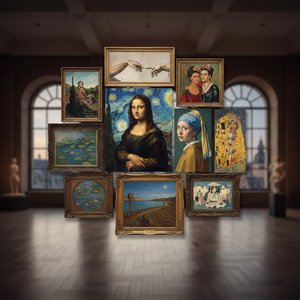
Oil on Canvas Masters: 10 Paintings That Redefined Art History |
Journey through art history with our guide to 10 legendary oil on canvas masterpieces! Explore iconic works by Van Gogh, Monet & Rembrandt. Find museum-quality reproductions and elevate your home decor at . Discover all masterpieces online.

油彩のキャンバス:技法、歴史、そして現代の実践 - 古典美術愛好家へ
油彩の技法、歴史、巨匠たちの秘密を徹底解説。古典美術愛好家向けに、初期フランドル絵画から現代の実践まで深く掘り下げます。OriginalUniqueArtで高品質な複製画やカスタムオーダーも承ります。
