設置イメージを確認
 送る
送る シェア
シェア
 詳細情報
詳細情報 ガイドを表示

 画像をダウンロード
 似ている作品
 X線調査
X線調査 スライドショー
 統計情報
統計情報Triptych (detail)


 続きを読む
続きを読む
手描き油彩複製画
当社のアーティストが、お客様のご希望のサイズと額縁に合わせて、キャンバスに手描きで制作する油彩画です。 ( プリント版に切り替え デジタル画像販売へ切り替え)




P118B $10

P118H $10

P118W $10

P438Z $10

P508JH $12

P508YH $12

P805H $10

P805Z $10

P919BZ $10

P919G $10

P919XJ $10

P959ZH $10

P968JZ $12

W106C $8

W218G $10

W218JH $8

W218Y $10

W307PJ $10

W316G $10

W316PJ $8

W316Y $10

W398PJ $8

W4111J $10

W500HY $15

W500JH $15

W692G $12

W849H $8

W940BG $15

W953PJ $8




作品のオリジナル比率に合わせた、当店の規定サイズからお選びください。

特定のフレームやスペースに合わせて、ご希望のサイズをご入力いただけます。選択されたサイズが元の画像の比率と異なる場合、アートワークをトリミングするか、手描きで要素を追加して絵画を拡張いたします。デジタルモックアップ を制作し、制作開始前にご確認(承認)をいただきます。
画面上のプレビューは、実際のトリミングや拡張を正確に反映しているものではありません。最終的な構図は、モックアップによってのみ正確にご確認いただけます。
カスタムサイズもご利用いただけますが、元の比率を維持するためには、あらかじめ用意されたリストからサイズを選択することをお勧めいたします。
ご注文後、OriginalUniqueArt.com チームより詳細な指示をお送りするとともに、仕上がりイメージ(モックアップ)をご提供いたします。


 ガラスオプションは、110cm未満のサイズでのみご利用いただけます。

Triptych (detail)
再現技法
複製画サイズ一覧
-


合計金額
$ 300
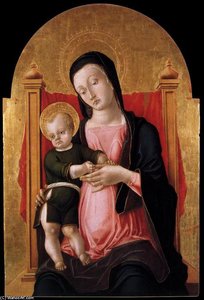
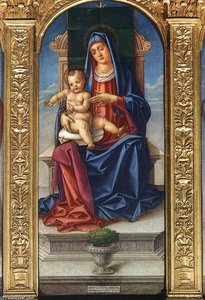
Bartolomeo Vivarini’s “Triptych (detail)” – A Venetian Vision of Faith
Bartolomeo Vivarini's "Triptych (detail)," painted around 1460, offers a captivating glimpse into the heart of Venetian Renaissance art. More than just a devotional image, it’s a meticulously crafted tableau brimming with symbolic depth and technical mastery—a testament to the artist’s skill and his deep engagement with the spiritual world. This particular detail, often studied for its intricate composition and luminous colors, reveals a sophisticated understanding of perspective, light, and human emotion, all hallmarks of Vivarini's distinctive style.
Vivarini, working primarily in Venice during the late 15th century, was deeply influenced by his predecessors, particularly Antonello da Messina, whom he learned oil painting from. However, he quickly developed a unique Venetian aesthetic—characterized by bold outlines, vibrant colors, and a dramatic use of light and shadow. Unlike some of his contemporaries who favored the cool palette of the north, Vivarini embraced warmer tones, reflecting the sun-drenched atmosphere of Venice. This “Triptych (detail)” exemplifies this approach, showcasing a rich tapestry of reds, blues, and golds that immediately draw the viewer in.
A Scene of Devotion: Narrative and Symbolism
The central image depicts a serene moment within a religious setting—a woman, likely representing the Virgin Mary, cradling the infant Jesus. The composition is carefully balanced, drawing our attention to the tender embrace between mother and child. To the left of the Virgin kneels a diminutive figure, identified as a nun from the Dominican order, her posture conveying deep reverence and devotion. This detail suggests a private commission—a personal expression of faith intended for contemplation within a sacred space.
Beyond the immediate figures, the scene is layered with symbolism. The architectural backdrop, reminiscent of Venetian buildings, anchors the image in its urban context while simultaneously elevating it to a realm of spiritual significance. The use of gold – particularly prominent in the Virgin’s robe and the celestial background – signifies divinity and holiness. The presence of an angel, soaring above, reinforces this sense of grace and divine intervention. Even seemingly minor details, such as the cup visible in the scene, hint at ritual and ceremony, further enriching the narrative.
Technique and Artistic Innovation
Vivarini’s mastery is evident in his meticulous attention to detail and his innovative use of technique. The figures are rendered with a remarkable degree of realism—their faces expressive, their drapery flowing realistically. He employs a technique known as “stiacciato,” creating subtle variations in the surface of the paint to suggest depth and texture. This creates an illusion of three-dimensionality, bringing the scene to life.
Notably, Vivarini was one of the first Venetian painters to experiment with oil painting—a medium that allowed for richer colors, greater luminosity, and more subtle gradations of tone than traditional tempera. The use of oil paint in this triptych contributes significantly to its vibrant appearance and atmospheric quality. The artist’s hard outlines, a characteristic feature of his style, provide clarity and definition, while the warm color palette evokes a sense of warmth and intimacy.
A Legacy of Venetian Art
“Triptych (detail)” by Bartolomeo Vivarini stands as a significant example of Venetian Renaissance art—a synthesis of religious devotion, artistic innovation, and technical skill. It reflects the vibrant cultural landscape of Venice during the 15th century, where faith, commerce, and artistic expression converged to create a unique and enduring legacy. Reproductions of this work offer a beautiful opportunity to experience the artistry and spiritual depth of Vivarini’s vision, bringing a touch of Venetian elegance and profound contemplation into any space.
アーティストについて
フラ・アンジェリコ:修道士が見た楽園のヴィジョン
フラ・アンジェリコ――グイド・ディ・ピエトロという名は、静謐で瞑想的な人物の姿を思い起こさせます。実際、この称号を冠したドミニコ会の修道士は、イタリア・ルネサンスにおいて最も深い精神性を備えた芸術家の一人でした。1395年頃、トスカーナのムジェッロ地方に生まれた彼の人生は、その芸術と分かちがたく結びついていました。彼が生み出した作品群は、その空想的な美しさと深く刻まれた敬虔さによって、時代を超えて人々の心に響き続けています。富裕な商人家族や権力ある宮廷からのパトロンを求めた同時代の多くの画家とは異なり、アンジェリコの忠誠はフィエーゾレのサン・ドメニコ修道院の壁の中にありました。そこで彼は40年近くにわたり修道士として過ごしました。この比類なき環境が彼の芸術的ヴィジョンを深く形作り、一筆一筆に献身的な祈りと神への憧憬を吹き込んだのです。
アンジェリコの初期の修行については、いまだ謎に包まれている部分もありますが、洗練された様式と細部への緻ラスなこだわりで知られるフィレンツェの著名な画家、ロレンツォ・モナコに師事したと広く信じられています。しかし、アンジェリコは瞬く間に師を凌駕し、自然の形態を写真のような写実性をもって描き出す驚異的な能力と、同時にそれらを精神的な高みへと昇華させる独自の技法を確立しました。この融合は、サン・ドメニコ修道院のために制作された聖歌集『リベル・サクラエ・ファミリアレス』から回収された断片に顕著に表れており、彼の芸術的プロセスと様式の進化を垣間見ることができる貴重な手がかりとなっています。
- 初期の作品(1418年-1422年): この時期、アンジェリコは修道院のために一連の祭壇画を制作しました。その中には、遠近法の習熟と光の革新的な使用によって輝かしい空気感を生み出した、壮麗な『受胎告知』が含まれています。
- 聖体礼拝堂(1440年-1451年): おそらくアンジェリコの最も重要な依頼は、教皇シクストゥス4世によるものでした。彼はサン・ピエトロ大聖堂内の礼拝堂の装飾を託されました。この野心的なプロジェクトでは、キリストと聖母マリアの生涯を描いた一連のフレスコ画が制作されました。会議室に収められた『磔刑』は、人間の感情に対するアンジェリコの深い洞察と、苦しみという重みを繊細な優しさをもって伝える能力の証として存在しています。
- サン・マルコ祭壇画(1443年): 現在フィレンツェのサン・マルコ美術館に所蔵されているこの祭壇画は、進化を続けるアンジェリコの様式を象徴しています。聖人、天使、寄進者たちが複雑に配置され、驚くべき細部まで描き込まれながらも、静かな気品に満ちています。
- ニッコロ・礼拝堂のフレスコ画(1447年-1451年): ローレンツォ・デ・メディチの依頼により、バチカンのシスティーナ礼拝堂に隣接する礼拝堂のために描かれたこれらのフレスコ画は、アンジェリコの最も野心的な試みです。『降誕』、『東方三博士の礼拝』、そして『十字架降架』は、その輝かしい色彩、調和のとれた構図、そして深い精神的奥行きにより、ルネ察ンス美術の傑作として称えられています。
遠近法と自然主義の影響
フラ・アンジェリコの芸術的革新は、科学的な観察と数学的原理への高まる関心に深く根ざしていました。彼はフィリッポ・ブルネレスキが先駆者となった線遠近法の発展を鋭敏に察知し、その技法を巧みに用いて、絵画の中に空間的な奥行きと写実性を創り出しました。しかし、技術的な正確さを何よりも優先した同時代の多くの画家とは異なり、アンジェリコは遠近法を単なる視覚的な錯覚を生む手段としてではなく、鑑賞者の眼差しを各場面の精神的な中心へと導くための道具として用いたのです。
さらに、アンジェリコは自然の形態を驚くべき精度で描き出す卓越した能力を示しました。衣の繊細な襞、植物の複雑な模様、そして人間の表情に宿る微細なニュアンスに至るまで、その細部への執拗なまでのこだわりが、作品に生命感を与えています。この写実主義への献身は、単なる技術的な習熟によるものではありません。それは神の創造物に対するアンジェリコの深い畏敬の念であり、その美しさと驚異を自らの芸術の中に捉えようとする切なる願いの反映だったのです。
修道生活と精神的な芸術
フラ・アンジェリコのドミニコ会修道士としての生活が、彼の芸術実践の本質を決定づけたことを理解することは極めて重要です。祈り、瞑想、そして肉体労働を特徴とする修道院の日常は、彼に規律ある創造性の枠組みを与え、謙虚さと奉仕の精神を植え付けました。彼の絵画は、個人の栄光や物質的な利益のために描かれたのではなく、自らの信仰の表現として、また精神的な献身を助けるための手段として生み出されたものでした。
修道院という環境の簡素さと厳格さは、アンジェリコの芸術様式にも反映されており、その特徴は明晰さ、抑制、そして深い安らぎにあります。彼は過度な装飾や劇的な身振りを避け、代わりに神の恩寵と創造物の美しさに対する静かな敬意を伝えることに集中しました。彼の作品がしばしば「精神的」と形容されるのは、まさにこの修道士の信仰心そのものを映し出しているからなのです。
遺産と歴史的重要路
後世の芸術家たちに対するフラ・アンジェリコの影響は計り知れません。革新的な遠近法の使用、細部への緻密なこだわり、そして深い精神的感性は、ルネサンス絵画の進むべき道を形作る一助となりました。マサッチョ、ボッティチェッリ、ラファエロといった巨匠たちも皆、アンジェリコの作品からインスピレーションを得て、その様式の要素を自らの構成に取り入れました。
今日、フラ・アンジェリコの絵画は、その美しさ、歴史的重要性、そして永続的な精神的力によって大切に守られています。彼の遺産は芸術界の枠組みを遥かに超え、信仰が持つ変革の可能性と、芸術と精神性の間にある深い結びつきを私たちに思い出させてくれます。彼が創り上げた作品は今もなお畏敬と瞑想を呼び起こし、一筆ごとに神聖なものを捉えようとした一人の男の心の奥底を、私たちに垣間見せてくれるのです。

バルトロメオ・ヴィヴァリーニ
1440 - 1499 , イタリア
アーティスト情報
- Artistic Movement Or Style: 初期ルネサンス
- Artists Or Movements Influenced By This Artist:
- マサッチオ
- 初期ルネサンス
- Artists Who Influenced This Artist: ['ロレンツォ・モナコ']
- Date Of Birth: 1395年頃
- Date Of Death: 1455年
- Full Name: フラ・アンジェリコ(グイド・ディ・ピエトロ)
- Nationality: イタリア
- Notable Artworks:
- サン・マルコ祭壇画
- 磔刑(サン・マルコ)
- 降誕(アドベント・ロール)
- Place Of Birth: イタリア、ムジェッロ
関連記事

ジャコポ・ティンコレット:至高の25選 – ヴェネツィア巨匠のドラマと光の世界 | OriginalUniqueArt
ジャコポ・ティンコレットの至高の25選。ドラマと光の世界を彩るヴェネツィア派巨匠の名画を紐解きます。ルネサンス絵画からバロック絵画まで、OriginalUniqueArtで高品質な複製画やインテリアアートを見つけましょう。傑作コレクションをオンラインで探求してください。
Divine Grace: A Journey Through the Most Iconic Depictions of the Virgin Mary in Art History
Embark on a profound journey through art history with our exploration of the most iconic depictions of the Virgin Mary. Discover the divine grace, symbolism, and masterful techniques found in Renaissance masterpieces and sacred iconography.

Venetian Renaissance: The Mastery of Color, Light, and the Art of Colorito
Explore the luminous mastery of the Venetian Renaissance. Discover how masters like Titian and Giorgione revolutionized art through colorito, light, and atmosphere. An expert guide to the golden age of Italian painting for collectors and enthusiasts.

Jacopo Palma il Giovane: A Venetian Master's Poetic Evolution
Explore the captivating world of Jacopo Palma il Giovane, a pivotal Venetian Renaissance master. Discover his unique style, influenced by Titian & Tintoretto, and learn about key works perfect for discerning collectors.

Divine Grace: An Art Historian's Journey Through Iconic Masterpieces of the Virgin Mary
Explore the profound beauty of Marian iconography through an art historian's lens. Discover iconic masterpieces by Raphael and Renaissance masters, celebrating the divine grace and timeless elegance of the Virgin Mary in classical fine art.