
 設置イメージを表示
 シェアする
シェアする シェアする
シェアする
 詳細を見る
詳細を見る ガイドを表示

 ダウンロード
 似ている作品
 X線調査
X線調査 スライドショーを表示
 Q&A
Q&A 統計情報
統計情報St Jerome

- 51.0 x 58.0 cm


 詳細を表示
詳細を表示
ジークレー/アートプリント
スピーディーな制作と多彩な仕上げオプションが魅力の、ミュージアムクオリティなジークレー・キャンバスプリント。 ( 手描き複製画を注文する デジタル画像販売へ切り替え)




P118B ¥10

P118H ¥10

P118W ¥10

P438Z ¥10

P508JH ¥12

P508YH ¥12

P805H ¥10

P805Z ¥10

P919BZ ¥10

P919G ¥10

P919XJ ¥10

P959ZH ¥10

P968JZ ¥12

W106C ¥8

W218G ¥10

W218JH ¥8

W218Y ¥10

W307PJ ¥10

W316G ¥10

W316PJ ¥8

W316Y ¥10

W398PJ ¥8

W4111J ¥10

W500HY ¥15

W500JH ¥15

W692G ¥12

W849H ¥8

W940BG ¥15

W953PJ ¥8




作品のオリジナル比率に合わせた、当店の規定サイズからお選びください。

額縁や壁のスペースに合わせて、ご希望の幅と高さを入力してください。プリントはカットすることは可能ですが、元の画像より大きくすることはできないため、異なる比率のサイズを選択された場合は、画像の一部が欠けることになります。印刷を開始する前に、内容を確認していただくためのデジタルモックアップをお送りいたします。このページに表示されている画像は、実際のカット後の状態を示すものではありません。実際の仕上がりはモックアップにてご確認ください。


 ガラスオプションは、110cm未満のサイズでのみご利用いただけます。

St Jerome
ジークレー/アートプリント
複製画サイズ一覧
-


合計金額
¥ 12823
A Moment of Profound Contemplation: St Jerome
To gaze upon this depiction of St. Jerome is to be invited into a quiet corner of profound intellectual struggle and spiritual reckoning. The scene unfolds outdoors, bathed in the soft, contemplative light characteristic of the Italian Renaissance. At the heart of the composition sits the venerable scholar, St. Jerome, whose posture—head bowed into his hands—speaks volumes without uttering a single word. He is ensconced upon a large, prominent rock, suggesting both permanence and isolation, perfectly framing him against the vast, majestic sweep of the mountainous landscape that serves as his backdrop. This is not merely a portrait; it is an immersion into the very act of deep thought.
The Hand of Bartolomeo Montagna: Renaissance Mastery
This work bears the unmistakable hallmark of Bartolomeo Montagna, a true visionary from the Vicenza School. Montagna’s genius lay in his ability to imbue seemingly simple scenes with an unparalleled sense of sculptural form and serene composition. Influenced by the grand traditions of Venetian art, yet possessing a distinct sensitivity, he guides the viewer's eye through the carefully orchestrated elements. Notice the scholarly book resting near him; it is more than just an object—it is the tangible weight of accumulated knowledge confronting the mysteries of faith. The inclusion of background figures and the delicate placement of two birds—one high in the corner, another grounded nearby—adds layers of narrative depth, suggesting that even in solitude, one is connected to a larger, living world.
Symbolism and Spiritual Resonance
The symbolism woven into this painting is rich for the discerning collector. St. Jerome himself embodies the confluence of scholarship and piety; he was a man who wrestled with scripture amidst wild nature. The rugged mountains behind him can symbolize the sublime power of God or the challenging terrain of human understanding, while the quietude of his pose suggests that true wisdom is often found not in grand pronouncements, but in moments of hushed introspection. For those seeking to bring an atmosphere of thoughtful dignity into a home or study, this piece offers immediate resonance—a visual anchor for contemplation.
Technique and Enduring Appeal
Painted around the year 1500, this work exemplifies the peak of early sixteenth-century Italian painting. Montagna’s technique allows the viewer to appreciate both the meticulous detail in the foreground elements and the atmospheric depth achieved in the distant landscape. The interplay between the solid, grounded rock and the airy suggestion of the background mountains creates a masterful illusion of space. Owning a reproduction of this piece is acquiring not just an image, but a carefully preserved echo of Renaissance artistry—a sophisticated conversation starter that speaks to a deep appreciation for history, humanism, and enduring beauty.
Q&A
バルトロメオ・モンターニャ作「St Jerome」の形状とサイズを教えてください。
バルトロメオ・モンターニャ作「St Jerome」は、原寸で51 x 58 cmのLandscapeによる作品です。
「St Jerome」の色使いは、鮮やかでしょうか、それとも淡い感じでしょうか?
バルトロメオ・モンターニャ作「St Jerome」は、Balancedな色彩の強さを備えています。
「St Jerome」は、作者の母国に保管されていますか?
はい、作品は作家の母国に保管されています。。バルトロメオ・モンターニャの出生国はイタリアであり、「St Jerome」の真作を収蔵している美術館はイタリアにあります。
作家プロフィール
ヴィチェンツァの先見者:バルトロメオ・モンターニャの生涯と遺産
イタリア・ルネサンスの核心において、大理石が豊かなヴィチェンツァの風景と、煌めくヴェネツィアの運河に囲まれるようにして、ある画家が登場しました。その筆致は、彫刻のような堅牢さと、天上的な優美さを融合させるという稀有な才能を宿していました。バルトロモ・モンターニャは、ヴィチェンツァ派の礎を築いた芸術家です。彼のキャリアは、クワトロチェント(15世紀)初期の緻密な精密さと、盛期ルネサンスの光り輝く大気的な奥行きとの間に架け橋を築きました。1450年頃に生まれたモンターニャの生涯は、古典古代の再発見が宗教的図像に新たな命を吹き込んだ、当時のヒューマニズムの進化と深く結びついていました。
モンターニャの芸術的アイデンティティは、地域的な影響と、ヴェネツィア共和国の巨匠たちとの直接的な出会いによる洗練された融合を通じて形作られました。ブレシアにおけるジョヴァンニ・バッティスタ・ブルストロルのもとでの初期修行は、彼に厳格な細部描写の基礎を与えましたが、彼の天才性を真に燃え上がらせたのは、その後のヴェネツィアへの旅でした。セレンニッシマ(最も安らかな共和国)の活気あふれる工房に身を投じることで、彼はジョヴァンニ・ベッリーニの深遠な教えと、アンドレア・マンテーニャの彫刻的な強烈さを吸収しました。この経験により、抑制されたパレット、建築的な空間感覚、そして人物に実体感のある三次元的な存在感を与える光と影の見事な制御を特徴とする、彼独自の様式が確立されたのです。
形態と信仰の極致
モンターニャの全作品は、聖なる主題を深く静かな瞑想の瞬間へと変容させる彼の能力の証です。彼の作品に激しい動きが見られることは稀であり、むしろ鑑賞者を祈りのような内省状態へと誘う、穏やかな静寂が漂っています。これは「聖母子像」の描写において最も顕著であり、そこでは人物たちが貴族的な威厳と、繊細で人間的な脆さを併せ持っています。『聖人と聖母子』のような傑作を見れば、彫刻的な形態や、小鳥の繊細な存在感といった微細な自然主義的要素がいかに用いられ、神聖な主題を触知可能な地上の現実へと結びつけているかを観察することができます。
聖母像に留まらず、モンターニャは聖人や学者の孤独な強さを描き出すことにも長けていました。彼の『聖ヒエロニムス』は、緻密な質感と光を通じて、知的かつ精神的な営みの重みを捉える彼の能力を示す息を呑むような例です。同様に、『パドヴァの聖ユスティーナ』は、信心深い象徴主義と、15世紀後半のヴェネツィア美術特有の洗練された美しさとの見事な統合を示しています。これらの作品を通じて、モンターニャは宗教画が知的な複雑さと視覚的な魅力を両立させ得ることを証明し、建築的な錯視を用いることで、より神聖な領域へと通じる窓を作り出したのです。
歴史的意義と芸術的勝利
バルトロメオ・モンターニャの永続的な意義は、北イタリア絵画の進化における極めて重要な役割にあります。ヴェネツィアの強烈な個性を持つ巨匠たちの影に隠れがちではありますが、ヴィチェンツァ派の発展に対する彼の貢献は、より華美なヴェネツィアの潮流に対し、必要な様式的対照軸を提供しました。マンテーニャの構造的な厳格さと、ベッリーニの柔らかく大気的な光を統合する彼の能力は、この地域全体に響き渡る独自の美的言語を生み出したのです。
彼の主要な業績は、パヴィアのチェルトーザ修道院における記念碑的なフレスコ画サイクルから、ヴィチェンツァ市立美術館に収蔵された重要な祭壇画に至るまで、当時の最も権威ある宗教施設に点在しています。今日においても、モンターニャの作品は美術史家や愛好家を魅了し続け、比類なき創造性の時代への窓を開いています。彼の遺産はルネサンスの構造そのものに刻まれています。それは、大理石のような精密さ、精神的な深み、そして人間の形態の美しさに対する揺るぎない献身という遺産なのです。

バルトロメオ・モンターニャ
1450 - 1523 , イタリア
プロフィール概要
- Artistic Movement Or Style: ルネサンス
- Artists Or Movements Influenced By This Artist: ['マンテーニャ']
- Artists Who Influenced This Artist: ['ジョヴァンニ・ベッリーニ']
- Date Of Birth: イタリア、ヴィチェンツァ (1450年)
- Full Name: バルトロメオ・モンターニャ
- Nationality: イタリア
- Notable Artworks:
- パドヴァの聖ユスティーナ
- 聖母子
- Place Of Birth: ヴィチェンツァ
関連記事

ジャコポ・ティンコレット:至高の25選 – ヴェネツィア巨匠のドラマと光の世界 | OriginalUniqueArt
ジャコポ・ティンコレットの至高の25選。ドラマと光の世界を彩るヴェネツィア派巨匠の名画を紐解きます。ルネサンス絵画からバロック絵画まで、OriginalUniqueArtで高品質な複製画やインテリアアートを見つけましょう。傑作コレクションをオンラインで探求してください。

The Enduring Legacy of Fine Art Prints: Technique, History & Aesthetic Impact
Explore the rich history & techniques of fine art prints. Discover investment potential, assess authenticity, and learn how to preserve your collection with expert guidance. Trusted insights for discerning collectors.
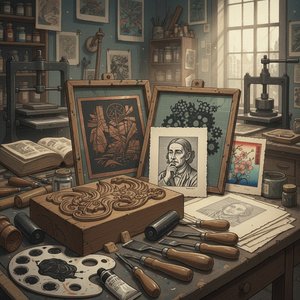
The Enduring Legacy of Printmaking: Techniques, Themes & Artistic Innovation Across Centuries
Explore the rich history of printmaking with OriginalUniqueArt. Discover techniques from intaglio to lithography, learn about collecting valuable prints & find museum-quality reproductions. Expert insights for art enthusiasts and collectors.

Giclée Prints: Archival Quality & Aesthetic Nuances for the Discerning Collector
Explore the world of giclée prints with OriginalUniqueArt. Learn about archival quality, aesthetic nuances & investment potential. Expert guidance for discerning art collectors seeking museum-quality reproductions and lasting value.

Echoes of Time: Exploring the Enduring Appeal & Historical Context of Vintage Art Prints
Explore the captivating world of vintage art prints! Discover their history, collecting tips & enduring appeal. Expert insights on chromolithography and building a legacy collection with OriginalUniqueArt.