メニュー
Text size

() ·

A painting made for you, by hand

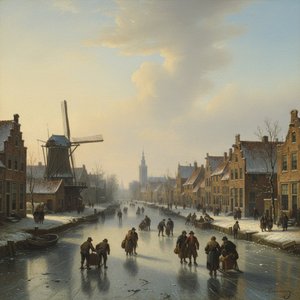
Winter landscape

手描き油彩複製画

当社のアーティストが、お客様のご希望のサイズと額縁に合わせて、キャンバスに手描きで制作する油彩画です。 ( プリント版に切り替え デジタル画像販売へ切り替え)

コレクション詳細

Experience the serene Romanticism of Koekkoek's Winter Landscape, capturing a poignant snowy journey through Dutch countryside; discover this timeless masterpiece today.

アーティストプロフィール

Discover Barend Cornelis Koekkoek (1803-1862), the 'Prince of Landscape Painting.' Explore his evocative Dutch Romantic landscapes & influential role in Cleves Romanticism, known for detailed nature studies.

from ·

Chapter 1

How large should it be?

Slide to change the size; the picture on the left shows the frame at its real width. The proportions of the original are kept.

標準サイズ
カスタムサイズ
CM
INCH

作品のオリジナル比率に合わせた、当店の規定サイズからお選びください。

横幅
高さ

フレームや壁のスペースに合わせて、ご希望の幅と高さを入力してください。本作品は手描きのため、異なる比率のサイズをご希望の場合、絵画の周囲を少し広げて描くか、あるいは端を少しカットして調整することが可能です。お客様のご要望に合わせます。制作を開始する前に、仕上がりを確認するためのデジタルモックアップをお送りいたします。このページに表示されている画像は完成品の実物ではなく、あくまでモックアップによるイメージです。

Chapter 2

How should it arrive?

Choose the edges of the stretched canvas

Choose your frame

Corner sample of the WhiteWrap canvas edge finish, stretched on 天然木 bars
White ¥1
Corner sample of the BlurSideWrap canvas edge finish, stretched on 天然木 bars
Blurside ¥1
Corner sample of the ExtendedWrap canvas edge finish, stretched on 天然木 bars
Extended ¥1
Corner sample of the P118B picture frame: 成型ポリスチレン, 5 cm wide and 3 cm thick
P118B ¥10
Corner sample of the P118H picture frame: 成型ポリスチレン, 5 cm wide and 3 cm thick
P118H ¥10
Corner sample of the P118W picture frame: 成型ポリスチレン, 5 cm wide and 3 cm thick
P118W ¥10
Corner sample of the P438Z picture frame: 成型ポリスチレン, 5.5 cm wide and 3.5 cm thick
P438Z ¥10
Corner sample of the P508JH picture frame: 成型ポリスチレン, 7 cm wide and 3.5 cm thick
P508JH ¥12
Corner sample of the P508YH picture frame: 成型ポリスチレン, 7 cm wide and 3.5 cm thick
P508YH ¥12
Corner sample of the P805H picture frame: 成型ポリスチレン, 5 cm wide and 3.5 cm thick
P805H ¥10
Corner sample of the P805Z picture frame: 成型ポリスチレン, 5 cm wide and 3.5 cm thick
P805Z ¥10
Corner sample of the P919BZ picture frame: 成型ポリスチレン, 7 cm wide and 3.5 cm thick
P919BZ ¥10
Corner sample of the P919G picture frame: 成型ポリスチレン, 7 cm wide and 3.5 cm thick
P919G ¥10
Corner sample of the P919XJ picture frame: 成型ポリスチレン, 7 cm wide and 3.5 cm thick
P919XJ ¥10
Corner sample of the P959ZH picture frame: 成型ポリスチレン, 5 cm wide and 3 cm thick
P959ZH ¥10
Corner sample of the P968JZ picture frame: 成型ポリスチレン, 6 cm wide and 4 cm thick
P968JZ ¥12
Corner sample of the W106C picture frame: 天然木, 5 cm wide and 3 cm thick
W106C ¥8
Corner sample of the W218G picture frame: 天然木, 5 cm wide and 3 cm thick
W218G ¥10
Corner sample of the W218JH picture frame: 天然木, 5 cm wide and 3 cm thick
W218JH ¥8
Corner sample of the W218Y picture frame: 天然木, 5 cm wide and 3 cm thick
W218Y ¥10
Corner sample of the W307PJ picture frame: 天然木, 6 cm wide and 3 cm thick
W307PJ ¥10
Corner sample of the W316G picture frame: 天然木, 6 cm wide and 3 cm thick
W316G ¥10
Corner sample of the W316PJ picture frame: 天然木, 6 cm wide and 3 cm thick
W316PJ ¥8
Corner sample of the W316Y picture frame: 天然木, 6 cm wide and 3 cm thick
W316Y ¥10
Corner sample of the W398PJ picture frame: 天然木, 5 cm wide and 3 cm thick
W398PJ ¥8
Corner sample of the W4111J picture frame: 天然木, 6.5 cm wide and 3.5 cm thick
W4111J ¥10
Corner sample of the W500HY picture frame: 天然木, 7 cm wide and 5 cm thick
W500HY ¥15
Corner sample of the W500JH picture frame: 天然木, 7 cm wide and 5 cm thick
W500JH ¥15
Corner sample of the W692G picture frame: 天然木, 8 cm wide and 4 cm thick
W692G ¥12
Corner sample of the W849H picture frame: 天然木, 5 cm wide and 3 cm thick
W849H ¥8
Corner sample of the W940BG picture frame: 天然木, 7.5 cm wide and 4.5 cm thick
W940BG ¥15
Corner sample of the W953PJ picture frame: 天然木, 6 cm wide and 3.5 cm thick
W953PJ ¥8
Corner sample of the H24-GOLD picture frame: ジェッソ仕上げの木彫, 10 cm wide and 6 cm thick
H24-GOLD ¥30
Corner sample of the H24-SILVER picture frame: ジェッソ仕上げの木彫, 10 cm wide and 6 cm thick
H24-SILVER ¥30
Corner sample of the H36-GOLD picture frame: ジェッソ仕上げの木彫, 15 cm wide and 6.5 cm thick
H36-GOLD ¥45
Corner sample of the H36-SILVER picture frame: ジェッソ仕上げの木彫, 15 cm wide and 6.5 cm thick
H36-SILVER ¥45
額縁プレビュー
額装済み

Moulding: . Overall size with the frame: .

Chapter 3

Who paints it, and should anything change?

Examples of what can be changed: Replace face with customer photo; Add pet (e.g., replace cat with dog); Include hidden message in background; Change background landscape or elements.
After order, OriginalUniqueArt.com team will email client for instructions and provide a mockup preview

世界中への配送()は、通常の5週間ではなく、3〜4週間でお届けいたします。(31 10月)。品質には一切妥協いたしません。

Chapter 4

The finishing touches

A nameplate, as in a museum?

刻印入りブロンズプレートの詳細

This elegant plaque features the artist's name and the title of the artwork, finely engraved for a timeless presentation.

It is made from bronze with a refined, elegant finish. The text is precisely laser-engraved for a sharp and permanent result. Measuring 9x2 cm, the plaque is compact yet easy to read. It's built to be durable and scratch-resistant, offering a professional, museum-quality look. Mounting is simple thanks to the included adhesive backing.

透明アクリル銘板の詳細

The plaque includes essential engraved details such as the artist's name, the title of the artwork, the date it was created, the type of media used-like oil on canvas or watercolor-a brief description of the piece, and a QR code that links to the complete artwork information.

It is crafted from clear acrylic, offering a sleek, modern appearance. The text is UV-engraved in black to ensure strong visual contrast. With a size of 10x15 cm, it ensures optimal readability. It comes equipped with two metal hooks for secure wall mounting. The plaque is designed to be weather-resistant, making it suitable for various environments, and it includes interactive features that work seamlessly with smartphone scanning.

黒アクリル製銘板の詳細

This elegant plaque includes engraved information such as the artist's name, the title of the artwork, the date it was created, the type of media used (like oil on canvas or watercolor), a short description of the artwork, and a QR code for quick access to more information.

The plaque itself is made from refined black acrylic with a premium finish. The text is laser-engraved in white for high contrast and readability. Its size is 10x15 cm, designed to be easy to read. It comes with two metal hooks for professional mounting. The design is sleek and fits any interior style. It is also weather-resistant and durable, with built-in digital integration for mobile compatibility.

A protective varnish?

When do you need it?

Chapter 5

Your painting, as you ordered it

Winter landscape

再現技法

複製画サイズ一覧

-

厳選された熟練アーティスト

より細部までこだわった表現、洗練された技術、そして十分な制作時間

-

複製画用額装

-

-

いずれかの辺が105 cm(約41インチ)を超えるアートワークまたは複製画の場合、フレームは分解されたキットの状態でお届けいたします。この方法は、輸送中の破損を防ぎ、安全に配送するために採用しております。

組み立てには専門知識が必要です(DIY用製品ではありません)。
本キットは、経験豊富なプロの額装師が、木工用ボンド(別売)、キャンバス用プライヤー、およびボンドの乾燥時に桟を直角に保持するためのクランプを使用して、組み立ておよびキャンバスの張り作業を行う必要があります。不適切な組み立てやキャンバスの張りの不均一は、作品に永久的な損傷を与える恐れがあり、弊社の保証対象外となります。

  • すべての無垢材のパーツが含まれており、組み立てに最適なサイズに正確にカットされています。

  • 付属のネジを使用し、角の接合部には別途木工用ボンドをご用意ください(ボンドは付属しておりません)。ボンドは額装業者様にてご手配をお願いいたします。

  • プロ仕様の道具が必要ですが、キットには含まれていません:キャンバス用ストレッチングプライヤー(テンショナー)、および接着剤が乾燥するまで木枠を直角に固定するためのクランプ。

重要:
コーナーの接合部には木工用ボンドが必要です。また、ボンドが完全に乾くまでクランプでバーを固定しておく必要があり、組み立てたフレームにキャンバスを張るにはキャンバス用ストレッチングプライヤーが必要となります。これらの道具はキットに含まれておりません。このサイズをご注文される前に、経験豊富なプロの額装師(フライマー)の手配をお願いいたします。

銘板

-

-

保護用ワニス

光沢ワニス(色彩を鮮やかに引き立て、光や湿気から保護します)

-

作品をカスタマイズ

カスタマイズの例:顔をお客様の写真に差し替える、ペットを追加する(例:猫を犬に変更)、背景に隠しメッセージを入れる、背景の風景や要素を変更する。

-

お急ぎ便

世界中への配送()は、通常の5週間ではなく、3〜4週間でお届けいたします。(31 10月)。品質には一切の妥協を許しません。

-

お急ぎ便

世界中への配送()は、5週間ほどでお届けします。(7 11月)。

送料込

合計金額

¥ 47374

合計金額 ¥ 47374

ガラスオプションは、110cm未満のサイズでのみご利用いただけます。

Included with every order

  • 世界中へ無料エクスプレス配送
  • 高品質なリネンキャンバス
  • 配送時完全保険付
  • 関税・輸入税の払い戻し保証
  • 忠実な色彩再現の保証
  • 100日間返品保証(製造上の欠陥がある場合のみ)
  • 100% 全額返金保証
  • まとめ買い割引のご案内

A Winter's Embrace: Exploring Barend Cornelis Koekkoek’s “Winter Landscape”

The Dutch Romantic landscape painter Barend Cornelis Koekkoek’s “Winter Landscape,” completed in 1833, transcends mere depiction; it embodies the spirit of a bygone era and speaks to enduring themes of resilience and beauty amidst adversity. Executed on wood with oil paint—a technique favored by Koekkoek for its ability to capture subtle tonal variations—the painting presents a serene yet poignant tableau of a snowy road winding through a sparsely populated Dutch countryside.

Style and Technique: Romantic Precision

Koekkoek’s artistic vision aligns perfectly with the tenets of Romanticism, prioritizing emotional intensity alongside meticulous observation. Unlike earlier Baroque landscapes that sought to impose grandeur upon nature, Koekkoek embraced its inherent wildness, conveying a sense of contemplative solitude rather than triumphant dominion. His brushstrokes are deliberate and controlled, blending seamlessly to create luminous washes of color—primarily blues and whites—that dominate the composition. The artist skillfully utilizes chiaroscuro—the interplay between light and shadow—to sculpt the forms of trees, snowdrifts, and distant buildings, enhancing depth and creating a palpable atmosphere of coldness and stillness.

Historical Context: Reflecting Dutch Identity

“Winter Landscape” emerged during a period of significant artistic ferment in Holland, mirroring broader cultural anxieties surrounding the Napoleonic Wars and the subsequent Restoration. The painting served as a powerful emblem of Dutch national identity—a celebration of its pastoral heritage and an assertion of moral fortitude in the face of political upheaval. Koekkoek’s depiction of a quiet rural scene resonated deeply with viewers who longed for stability and continuity amidst turbulent times, reflecting a desire to reconnect with simpler values and traditions.

Symbolism: Resilience Amidst Winter's Grip

Beyond its aesthetic qualities, “Winter Landscape” is laden with symbolic significance. The snow itself represents hardship and purification—a blank slate upon which new beginnings can emerge. Yet, despite the bleakness of the winter season, Koekkoek’s careful rendering of trees bearing fruit underscores the promise of fecundity and renewal. Furthermore, the solitary figures traversing the road symbolize perseverance and determination—individuals striving onward despite obstacles, mirroring the broader human experience of confronting challenges with courage and grace.

Emotional Impact: A Momentary Pause for Reflection

Ultimately, Koekkoek’s “Winter Landscape” invites contemplation and introspection. Its muted palette and tranquil composition evoke a profound sense of peace and melancholy—a recognition of beauty found in vulnerability and solitude. The painting compels viewers to pause amidst the frenetic pace of modern life, encouraging them to appreciate the quiet grandeur of nature and to contemplate the enduring power of resilience and hope. It remains an exquisite testament to Koekkoek’s artistic prowess and a timeless masterpiece capturing the essence of Romantic sensibility.

よくあるご質問

Barend Cornelis Koekkoek作「Winter landscape」 のプリントを購入するにはどうすればよいですか?

「Winter landscape」はコットンキャンバスまたはアーカイブ品質のキャンバスペーパーに施されたファインアートプリントとしてご購入いただけます。ご注文はファインアートプリントページにて、お好みのサイズでお選びいただけます。

Barend Cornelis Koekkoek作「Winter landscape」は、明るい印象の作品ですか、それとも暗い印象の作品ですか?

Barend Cornelis Koekkoek作「Winter landscape」の明るさはbright、輝度はGentle Luminanceと記録されています。

Barend Cornelis Koekkoek作「Winter landscape」は、どの芸術運動、およびどの時代に位置づけられますか?

Barend Cornelis Koekkoek作「Winter landscape」は、作者の19th Centuryという時代における、Romantic Landscape Paintingのムーブメントに位置づけられます。

More about this painting

設置イメージを確認 ARで壁に飾るイメージを見る プリント版に切り替え デジタル画像販売へ切り替え 送る
詳細情報 ガイドを表示 お気に入りに追加 画像をダウンロード 似ている作品 X線調査 スライドショー Q&A 統計情報

In numbers

  • 1838the year it was painted
  • 29frames to choose from
  • standard sizes, in its own proportions
  • 5weeks to paint and deliver it
Barend Cornelis Koekkoek

Barend Cornelis Koekkoek

1803 - 1862, Netherlands

Quick facts about Barend Cornelis Koekkoek

  • Full Name: Barend Cornelis Koekkoek
  • Nationality: Dutch
  • Date Of Birth: 1803
  • Date Of Death: 1862
  • Place Of Birth: Middelburg, Netherlands
  • Notable Artworks:
    • The Approaching Storm
    • A Wooded Landscape
    • Figures in Winter
  • Artistic Movement Or Style: Romanticism
  • Artists Who Influenced This Artist:
    • Johannes H. Koekkoek
    • Abraham Krayestein
  • Artists Or Movements Influenced By This Artist:
    • Dutch Romanticism
    • Cleves Romanticism

アーティストについて

Early Life and Artistic Foundations

Born on October 11, 1803, in the charming city of Middelburg, nestled within the Dutch province of Zeeland, Barend Cornelis Koekkoek entered a world already steeped in artistic tradition. His father, Johannes Hermanus Koekkoek, was a celebrated marine painter, and his mother, Anna van Koolwijk, fostered an environment where creativity flourished. This nurturing atmosphere extended to his siblings – Hermanus, Johannes, and Marinus – all of whom pursued careers as artists, creating a veritable dynasty of Dutch painters. From his earliest years, young Barend absorbed the techniques and sensibilities of his father, laying the groundwork for his own artistic journey. He formally began his training at the Drawing Academy of Middelburg under the guidance of Abraham Krayestein, honing his foundational skills in draftsmanship and observation. This early education instilled in him a meticulous approach to detail that would become a hallmark of his mature style. In 1822, Koekkoek ventured to Amsterdam, enrolling at the prestigious Koninklijke Academie van Beeldende Kunsten where he dedicated four years to refining his talents. Even then, by 1824, his ambition was clear: he aspired to become a painter of landscapes, a genre that would ultimately define his legacy.

The Embrace of Romanticism and the Search for Inspiration

As Europe succumbed to the allure of the Romantic movement, Koekkoek found himself deeply inspired by its emphasis on emotion, individualism, and the sublime power of nature. This influence manifested in his developing style, characterized by dramatic landscapes and atmospheric effects that sought to capture not merely the visual appearance of a scene but also its emotional resonance. A pivotal period followed his formal studies, as he spent two years in Hilversum (1826-1827), a rural haven attracting landscape and cattle painters. This immersion solidified his commitment to depicting the natural world. Recognition arrived in 1829 when the Amsterdam society Felix Meritis awarded him a gold medal for one of his summer landscapes, signaling his rising prominence within the Dutch art scene. His personal life also blossomed during this time; he married Elise Thérèse Daiwaille, daughter of artist Jean Augustin Daiwaille, in 1833. However, Koekkoek felt constrained by the relatively flat Dutch countryside and yearned for more dramatic scenery to fuel his Romantic vision. This led him to a momentous decision: in 1836, he relocated to Cleves, Germany, seeking inspiration along the Ahr, Ruhr, and Rhine rivers – regions renowned for their picturesque valleys, dense forests, and imposing natural beauty.

Cleves Romanticism and Artistic Pedagogy

The move to Cleves proved transformative. Koekkoek quickly established himself as a leading figure in what became known as “Cleves Romanticism,” a distinct school of landscape painting characterized by its dramatic compositions, meticulous detail, and evocative atmosphere. He focused on expansive river valleys, idyllic forest views dominated by majestic oak trees, and scenes that emphasized the overwhelming power and grandeur of nature. His artistic philosophy was rooted in rigorous observation and precise draughtsmanship – principles he articulated in his influential book, *Herinneringen en mededeelingen van eenen landschapsschilder* (Recollections and Communications of a Landscape Painter), published in 1841. This work served as both a guide for aspiring artists and a testament to his own artistic beliefs. Recognizing the need to nurture future generations of landscape painters, Koekkoek founded his own drawing academy, the Zeichen Collegium, in Cleves. The academy attracted numerous students eager to learn from the “Prince of Landscape Painting,” including notable artists such as Frederik Marinus Kruseman, Lodewijk Johannes Kleijn, and Johann Bernard Klombeck. He guided them to study nature intently, observe subtle shifts in light, and examine the works of Dutch 17th-century masters – a lineage he sought to continue and expand upon.

Later Years, Legacy, and Enduring Influence

Tragically, Koekkoek’s painting career was cut short by a debilitating stroke in November 1859. This event marked the end of his active artistic production, and he passed away on April 5, 1862, in Cleves at the age of 58. Despite this premature ending, Barend Cornelis Koekkoek left an indelible mark on Dutch art history. He was celebrated during his lifetime as the “Prince of Landscape Painting” and is now widely regarded as the founding father of Dutch Romantic landscape painting. His influence extended far beyond his own artistic output, shaping subsequent generations through his pupils and his emphasis on detailed observation and atmospheric rendering. His works are held in museums worldwide, a testament to their enduring appeal and artistic merit. Koekkoek’s legacy continues to inspire artists and art lovers alike, reminding us of the profound beauty and emotional power that can be found within the natural world. He remains a pivotal figure in understanding the development of Dutch Romanticism and its lasting impact on landscape painting. His dedication to capturing the sublime grandeur of nature, combined with his meticulous technique and pedagogical influence, ensures his place among the most important artists of the 19th century.

作品情報

  • Notable elements or techniques: Detailed snowy road; Horse figure
  • Subject or theme: Winter scenery
  • Title: Winter Landscape
  • Year: 1833
  • Artistic style: Romanticism

アート・クイズ

各質問の正解は1つだけです。

問題 1:
What is the primary subject matter of this painting?
問題 2:
Approximately when was this artwork created?
問題 3:
What prominent artistic technique is evident in the painting?
問題 4:
The painting depicts a scene of everyday life, capturing what aspect of human experience?
問題 5:
What is the significance of the horse in this winter landscape?