設置イメージを確認
 送る
送る シェア
シェア
 詳細情報
詳細情報 ガイドを表示

 画像をダウンロード
 似ている作品
 X線調査
X線調査 スライドショー
 統計情報
統計情報Nude in Profile


 続きを読む
続きを読む
このページに掲載されている作品は著作権法によって保護されており、当社の許可なく同一の複製物を制作または販売することは法律で禁じられています。この保護は、以下のような国際条約に基づき執行されます。 ベルヌ条約 および、以下の条項に定められたものを含む各国の法律により、 米国著作権法 第17編。
この手法は、著作権で保護された作品の複製や複写を伴わないため、著作権法に完全に準拠しています。これは単なる模倣ではなく、創造的な再解釈です。元の作品からインスピレーションを受けつつも、それとは異なる、全く新しい絵画を生み出すものです。
ジークレー/アートプリント
スピーディーな制作と多彩な仕上げオプションが魅力の、ミュージアムクオリティなジークレー・キャンバスプリント。 ( 手描きの複製画を注文する デジタル画像販売へ切り替え)




P118B ¥10

P118H ¥10

P118W ¥10

P438Z ¥10

P508JH ¥12

P508YH ¥12

P805H ¥10

P805Z ¥10

P919BZ ¥10

P919G ¥10

P919XJ ¥10

P959ZH ¥10

P968JZ ¥12

W106C ¥8

W218G ¥10

W218JH ¥8

W218Y ¥10

W307PJ ¥10

W316G ¥10

W316PJ ¥8

W316Y ¥10

W398PJ ¥8

W4111J ¥10

W500HY ¥15

W500JH ¥15

W692G ¥12

W849H ¥8

W940BG ¥15

W953PJ ¥8




作品のオリジナル比率に合わせた、当店の規定サイズからお選びください。

額縁や壁のスペースに合わせて、ご希望の幅と高さを入力してください。プリントはカットすることは可能ですが、元の画像より大きくすることはできないため、異なる比率のサイズを選択された場合は、画像の一部が欠けることになります。印刷を開始する前に、内容を確認していただくためのデジタルモックアップをお送りいたします。このページに表示されている画像は、実際のカット後の状態を示すものではありません。実際の仕上がりはモックアップにてご確認ください。


 ガラスオプションは、110cm未満のサイズでのみご利用いただけます。

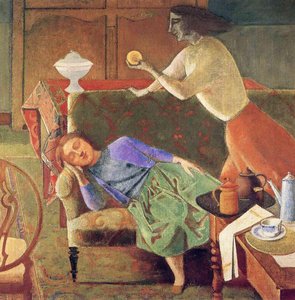
Nude in Profile
ジークレー/アートプリント
複製画サイズ一覧
-


合計金額
¥ 12596
A Portrait of Quietude: Exploring Balthus’s “Nude in Profile”
The painting "Nude in Profile" by Balthus, completed in 1975, stands as a testament to the artist's unwavering commitment to classical ideals infused with a profound sensitivity to human emotion. More than just a depiction of the female nude—a motif frequently revisited throughout art history—this work delves into themes of vulnerability and introspection within a deceptively simple domestic setting. It’s a piece that invites contemplation, prompting viewers to consider the unspoken narratives residing beneath its surface.Style and Technique: Embracing Naive Art's Essence
Balthus’s artistic approach defies easy categorization. He firmly rejected the stylistic upheavals of his time, opting instead for a style rooted in the traditions of Northern Renaissance painting—specifically, the influence of Jan van Eyck and Rogier van der Weyden. This deliberate choice resulted in an aesthetic characterized by meticulous realism combined with a deliberately understated palette and expressive brushwork. The artist eschewed grand gestures or dramatic lighting, favoring subtle gradations of color and textured surfaces that convey a palpable sense of atmosphere. Like Naive Art practitioners before him, Balthus prioritized direct observation and emotional honesty over intellectual conceptualization. This technique—often described as “primitive”—allows for an unfiltered portrayal of the human form, capturing fleeting expressions and nuances of gesture with remarkable precision. The oil on canvas medium contributes to this textural richness, creating a surface that feels both tactile and luminous.Historical Context: A Reaction Against Modernism
Painted during the mid-20th century, “Nude in Profile” represents a significant counterpoint to the dominant artistic currents of the era—namely, Surrealism and Abstract Expressionism. While these movements championed experimentation and abstraction as pathways to artistic innovation, Balthus steadfastly upheld the values of observation and anatomical accuracy. His refusal to engage with prevailing trends stemmed from a deep conviction that true beauty resided in capturing the essence of human experience with unflinching honesty. The painting emerged from a period marked by anxieties surrounding societal change and technological advancement—a reaction against the perceived dehumanizing effects of modernity. Balthus sought refuge in the quiet contemplation of the natural world and the intimate portrayal of human subjects, asserting a humanist sensibility that prioritized empathy and psychological depth.Symbolism: Beyond Mere Representation
Despite its apparent simplicity, “Nude in Profile” is laden with symbolic resonance. The woman’s pose—facing away from the viewer—suggests a deliberate act of concealment, inviting speculation about her inner thoughts and feelings. The towel she holds serves as a visual metaphor for ritual cleansing and preparation—a subtle allusion to themes of purity and vulnerability. Furthermore, the muted beige walls of the interior create a sense of enclosure and isolation, mirroring the psychological state of the subject. These elements coalesce into a portrait not merely of the body but also of the soul—a testament to Balthus’s ability to imbue his canvases with profound emotional depth.Emotional Impact: A Moment Frozen in Time
Ultimately, “Nude in Profile” succeeds in conveying a powerful sense of melancholy and quiet contemplation. The soft lighting casts gentle shadows that heighten the three-dimensionality of the scene without resorting to theatrical effects. The artist’s masterful use of color—primarily earthy tones—further reinforces this atmosphere of subdued emotion. Viewing this painting evokes a feeling of stillness, prompting reflection on themes of solitude and introspection. It's a work that lingers in the mind long after it has been observed, demonstrating Balthus’s enduring legacy as an artist who prioritized emotional truth above stylistic convention.よくあるご質問
「Nude in Profile」は、Otherを代表する有名な作品でしょうか?
Other運動において、「Nude in Profile」はRecognizedの知名度を誇ります。
「Nude in Profile」はどの様式に属していますか?
「Nude in Profile」は、Otherの作品です。この様式は、その作品が属する芸術的伝統を示しています。
バルテュス作「Nude in Profile」の色使いは、作品の感情とどのように結びついているのでしょうか?
バルテュス作「Nude in Profile」のDarkなパレットは、そのMelancholicな情緒的トーンと見事に調和しています。色彩は、作品が感情を伝えるための重要な要素の一つです。
アーティストについて
生誕と幼少期:知性と芸術が息づく家庭
1908年2月29日、パリにバルタザール・クロソフスキ・デ・ローラは誕生した。彼が後に「バルテュス」として世界的に知られることになるのだが、その幼少期は、まさに芸術と知性が息づく家庭環境の中で過ごされた。父エリック・クロソフスキは美術史家として名高く、母バラディーヌ・クロソフスカ自身も画家であり、バルテュスの才能をいち早く見抜き、育んだ。一家は文化的な交流が絶えず、幼い頃から絵画に親しみ、古典絵画への深い敬意と、当時のアヴァンギャルドな芸術潮流に対する懐疑的な視点を同時に身につけていった。バルテュスは伝統を破壊するのではなく、むしろ古典の形式を現代的な感性で蘇らせることを目指し、独自の芸術世界を築き上げていくことになる。第一次世界大戦の勃発と両親の別居という不安定な時代背景も、彼の内省的で孤独な作風に影響を与えたと言えるだろう。初期の探求:リルケとの出会いと芸術への覚醒
バルテュスの才能が開花したのは、母バラディーヌが詩人ライナー・マリア・リルケと交際していた時期だった。リルケはバルテュスの芸術的素質を認め、創作活動を強く励ました。この出会いは、彼の美学形成において決定的な役割を果たした。リルケの詩が探求する内面の深淵は、バルテュスの心を捉え、心理的な奥行きと象徴性を重視する作風へと導いていく。彼はピエロ・デラ・フランチェスカやシモーネ・マルティーニといったルネサンス以前のイタリア絵画から影響を受け、同時にエミリー・ブロンテやルイス・キャロルの文学作品にも魅了された。これらの多様な源泉から汲み取った要素を融合させ、バルテュスは独自の芸術言語を創造していった。初期の作品には、彼のキャリアを通して一貫するテーマ—思春期、孤独、無垢と欲望の複雑な相互作用—がすでに垣間見られる。論争と評価:センセーショナルなデビュー
バルテュスが公に絵画を展示したのは1934年のことだった。発表された作品群は、たちまちにして物議を醸した。《ギターレッスン》は、年上の男性から指導を受ける少女の曖昧な描写によって、芸術家の意図や視線そのものに対する議論を巻き起こした。評論家たちは賛否両論で分かれ、一部からは露骨なエロティシズムだと批判された一方で、心理的な複雑さと技術的な卓越さが高く評価する声も上がった。この論争は、バルテュスの評判をさらに高め、型破りなアーティストとしての地位を確立することになった。彼は自らの作品に関する伝記的な解釈を拒否し、直接的な体験を通して絵画を感じることを観客に求めた。1930年代から40年代にかけて、彼は独特のスタイルを磨き続け、細部にまでこだわった劇的な照明と、細長い人物像が特徴的な作品を生み出した。少女たちが夢想や熟考の中にいる姿は、優雅でありながらもどこか不安感を誘うものだった。内省の遺産:影響と現代における意義
バルテュスは主流の芸術世界からやや距離を置きながらも、その生涯を通じて大きな評価を得た。ニューヨーク近代美術館(1956年)やヨーロッパ各地での大規模な展覧会を通して、彼は20世紀絵画を代表する画家としての地位を不動のものとした。1977年には、アカデミー・ド・フランスのローマ校長という名誉ある地位に就任し、芸術界における彼の存在感をさらに強めた。ヤン・サウデク、ウィル・バーネット、デュアン・ミチャルス、ジョン・カリンといった多くの現代アーティストたちに影響を与え、彼らはバルテュスと同様に、具象絵画、心理的リアリズム、複雑な感情状態の探求に関心を寄せている。バルテュスの遺産は、彼の技術的な才能にとどまらない。彼は美の概念や表現方法に対する従来の考え方に挑戦し、欲望、権力、人間の条件といった不快な真実と向き合うことを観客に強いた。2001年に死去した彼は、夢、不安、そして語られない願望の世界へと誘う、比類のない芸術作品を後世に残した。バルテュス財団やベイラー財団は、彼の遺産を保存し、未来の世代が彼の神秘的な世界に触れる機会を提供し続けている。彼の絵画は単なるイメージではなく、人間の魂の隠された隅々を照らし出す、芸術の力を証明する存在なのだ。La Rue(1933)やThe Mountain(1937)、そしてフランソワ・トリュフォー監督の映画Domicile Conjugalに登場したGirl at a Window(1957)は、彼の代表作として知られている。
バルテュス
1908 - 2001 , フランス
アーティスト情報
- Artistic Movement Or Style: 古典主義、写実主義
- Artists Or Movements Influenced By This Artist:
- ヤン・サウデク
- ジョン・カリン
- Artists Who Influenced This Artist:
- マサッチオ
- ピエロ・デラ・フランチェスカ
- アングル
- Date Of Birth: 1908年2月29日
- Date Of Death: 2001年2月18日
- Full Name: バルタザール・クロソフスキ・デ・ローラ
- Nationality: フランス・ポーランド二重国籍
- Notable Artworks (List Of Titles): ['街', '猫の少女', '甘い別れ']
- Place Of Birth (City And Country): パリ、フランス
関連記事

The Enduring Allure of the Nude: A Historical & Artistic Exploration of the Human Form
Explore the captivating history of nude art! Discover iconic paintings & artists from classical to modern eras. Uncover symbolism, techniques & find museum-quality reproductions at OriginalUniqueArt.

The Eloquent Form: A Historical & Aesthetic Exploration of the Nude in Art
Explore the captivating history of the nude in art! From ancient Greece to modern masters, discover its evolving symbolism, techniques & enduring beauty. Expert insights for collectors and enthusiasts.

The Untamed Vision: Exploring Naïve Art & Primitivism's Rejection of Convention
Explore the revolutionary world of Naïve Art & Primitivism! Discover how artists challenged academic traditions with raw emotion & unique styles. Learn about Picasso, Rousseau & more at OriginalUniqueArt.

Balthus: Exploring the Enigmatic World of Childhood, Myth & Modernist Disquiet
Explore the captivating world of Balthus – a master of figurative art renowned for dreamlike compositions & psychologically charged portraits. Discover his unique style, symbolism, and controversial legacy at OriginalUniqueArt.

The Pure Charm of Naïve Art: Finding Beauty in Simplicity, Soul, and the Unfiltered Vision
Discover the profound beauty of Naïve Art. Explore how self-taught masters bypass academic tradition to capture raw emotional truth through vibrant color and soulful simplicity. A cultural journey for the true art lover seeking depth beyond convention.