

 設置イメージを確認
 送る
送る シェア
シェア
 詳細情報
詳細情報 ガイドを表示

 画像をダウンロード
 似ている作品
 X線調査
X線調査 スライドショー
 統計情報
統計情報茶器


 続きを読む
続きを読む
ジークレー/アートプリント
スピーディーな制作と多彩な仕上げオプションが魅力の、ミュージアムクオリティなジークレー・キャンバスプリント。 ( 手描きの複製画を注文する デジタル画像販売へ切り替え)




P118B ¥10

P118H ¥10

P118W ¥10

P438Z ¥10

P508JH ¥12

P508YH ¥12

P805H ¥10

P805Z ¥10

P919BZ ¥10

P919G ¥10

P919XJ ¥10

P959ZH ¥10

P968JZ ¥12

W106C ¥8

W218G ¥10

W218JH ¥8

W218Y ¥10

W307PJ ¥10

W316G ¥10

W316PJ ¥8

W316Y ¥10

W398PJ ¥8

W4111J ¥10

W500HY ¥15

W500JH ¥15

W692G ¥12

W849H ¥8

W940BG ¥15

W953PJ ¥8




作品のオリジナル比率に合わせた、当店の規定サイズからお選びください。

額縁や壁のスペースに合わせて、ご希望の幅と高さを入力してください。プリントはカットすることは可能ですが、元の画像より大きくすることはできないため、異なる比率のサイズを選択された場合は、画像の一部が欠けることになります。印刷を開始する前に、内容を確認していただくためのデジタルモックアップをお送りいたします。このページに表示されている画像は、実際のカット後の状態を示すものではありません。実際の仕上がりはモックアップにてご確認ください。


 ガラスオプションは、110cm未満のサイズでのみご利用いただけます。

茶器
ジークレー/アートプリント
複製画サイズ一覧
-


合計金額
¥ 12591
ヴィエナ美術院に飾られた茶器の魅力:バルトゥサール・ウィガンドの繊細なミニチュア画の世界へ
ヴィエナ美術院に展示されているこの茶器は、18世紀のオーストリア美術における驚くべき技術と芸術的探求を象徴する作品です。画家バルトゥサール・ウィガンドが制作したこの絵画は、単なる茶器の描写にとどまらず、当時の美術家たちが熱心に追求していた古典主義への愛着と正確な再現技法を反映しています。- 作品の概要: この茶器は、シンプルな形状の中に洗練された美しさを秘めています。棕櫚のような木材で作られたベースに金色の縁取りが施され、ガラス製の蓋が取り付けられています。蓋を開けると、ほんの少し茶葉が見えることで、日常的な風景に詩情を添えています。
- 画家バルトゥサール・ウィガンドについて: ウィガンドは、スコットランド出身の彫刻家ジョン・ヘニングでありました。彼はモニュメント的な彫塑作品を目指すのではなく、驚くべき献身と細部へのこだわりをもって、パルテノン神殿とバッサエフリズを完璧に再現したのです。高さわずか2インチにも及ぶこれらのミニチュアは、全長約24フィートにも達し、当時のイギリス美術界に古典主義への情熱と驚異的な技術革新をもたらしました。
- 技法とスタイル: ウィガンドの作品の特徴は、彼の卓越したミニチュア画技術です。彼は特に繊細な色彩表現と質感再現において類まれなる才能を発揮し、パルテノン神殿やバッサエフリズなどの壮大な彫塑作品を縮小版に描き出すことで、当時の美術界に衝撃を与えました。この技法は、古典的なモチーフを忠実に再現しつつも、ミニチュア画ならではの独特の美しさを表現しています。
- 歴史的背景と象徴性: この茶器が制作された1820年代は、イギリスにおける古典主義美術の黄金時代でした。ウィガンドは、当時の美術家たちが熱心に研究していたギリシャ文明をモチーフに作品に取り組んだことで知られています。パルテノン神殿やバッサエフリズなどの彫塑作品をミニチュアサイズで再現したことは、単なる技術的な挑戦ではなく、当時の芸術家の精神と価値観を反映しています。
- 絵画の感動とインテリアへの応用: この茶器の繊細な色彩と質感は、静謐さを醸し出しながらもどこか温かみを感じさせます。ヴィエナ美術院に飾られたこの作品は、洗練された空間に優雅さと品格をもたらすでしょう。特に現代的なインテリアデザインにおいて、このミニチュア画のような繊細な技法は、歴史と芸術の融合を表現する上で魅力的な選択肢となります。
よくあるご質問
「茶器」は、明暗のコントラストが強い作品ですか?
「茶器」の明暗のコントラストはStatementと記録されています。コントラストとは、明るい部分と暗い部分がどの程度強く異なっているかを表す指標です。
Balthasar Wigand作「茶器」の来場者はどこから来ているのでしょうか?
「茶器」には、専用の統計情報ページがあります。このページでは、その作品およびアーティストの他の作品の月間訪問者数を、国別・言語別の内訳とともにグラフで表示しています。
Balthasar Wigand作「茶器」の複製画は、どのような用途に適していますか?
Balthasar Wigand作「茶器」の推奨される用途はアクセントです。もちろん、それ以外の用途でもお楽しみいただけます。
関連記事
Neo-Classicism's Greatest Hits: 10 Masterpieces for Your Home |
Journey through Neo-Classicism's finest! Explore 10 iconic masterpieces by David, Ingres & Canova. Discover art history, techniques & timeless beauty – perfect for inspiring your home decor. Find museum-quality reproductions at
The Enduring Legacy of Classical Style: Form, Narrative & Influence in Art
Explore the enduring legacy of classical art – from ancient Greece & Rome to Neoclassicism. Discover key artists, philosophical roots & build a timeless collection with OriginalUniqueArt's expert guidance.
The Enduring Legacy of Classicism: Principles, Evolution & Influence in Western Art
Explore the enduring legacy of Classicism in Western art! Discover its historical context, key principles, iconic masterpieces & lasting influence. Learn about Renaissance and Neoclassical movements with OriginalUniqueArt.
Timeless Resonance: Exploring Classic Vibe in Art – A Historical & Aesthetic Analysis
Explore the rich history & enduring aesthetic of Classicism art! Discover key movements, iconic artists like Raphael & David, and its lasting influence on Western art. Deepen your appreciation today.
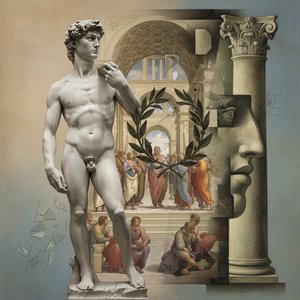
The Enduring Echo of Antiquity: Classical Ideals in Art from Renaissance to Modernism
Explore the lasting impact of classical ideals on art from the Renaissance to Modernism. Discover key movements, iconic artists & find museum-quality reproductions at OriginalUniqueArt.
