設置イメージを確認
 送る
送る シェア
シェア
 詳細情報
詳細情報 ガイドを表示

 画像をダウンロード
 似ている作品
 X線調査
X線調査 スライドショー
 統計情報
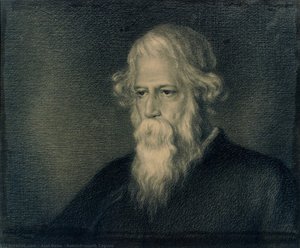
統計情報Rabindranath Tagore
 Oil On Canvas
- WallArt
- Contemporary Realism
 1952
1952- 19th Century
 60.0 x 50.0 cm
 ヴィクトリア記念堂
 続きを読む
続きを読む
このページに掲載されている作品は著作権法によって保護されており、当社の許可なく同一の複製物を制作または販売することは法律で禁じられています。この保護は、以下のような国際条約に基づき執行されます。 ベルヌ条約 および、以下の条項に定められたものを含む各国の法律により、 米国著作権法 第17編。
敬意を払った法的な代替手段として、私たちはオリジナルにインスピレーションを与えられた、カスタムの手描きアートワークを提供しています。私たちの熟練したプロのアーティストは、元の作品が持つスタイル、情緒、そして芸術的なエッセンスを注意深く研究し、独自の創作物でありながら、同じ感性を呼び起こすような、新しくユニークな作品を作り上げます。
この手法は、著作権で保護された作品の複製や複写を伴わないため、著作権法に完全に準拠しています。これは単なる模倣ではなく、創造的な再解釈です。元の作品からインスピレーションを受けつつも、それとは異なる、全く新しい絵画を生み出すものです。
手描き油彩複製画
当社のアーティストが、お客様のご希望のサイズと額縁に合わせて、キャンバスに手描きで制作する油彩画です。 ( プリント版に切り替え デジタル画像販売へ切り替え)




P118B ¥10

P118H ¥10

P118W ¥10

P438Z ¥10

P508JH ¥12

P508YH ¥12

P805H ¥10

P805Z ¥10

P919BZ ¥10

P919G ¥10

P919XJ ¥10

P959ZH ¥10

P968JZ ¥12

W106C ¥8

W218G ¥10

W218JH ¥8

W218Y ¥10

W307PJ ¥10

W316G ¥10

W316PJ ¥8

W316Y ¥10

W398PJ ¥8

W4111J ¥10

W500HY ¥15

W500JH ¥15

W692G ¥12

W849H ¥8

W940BG ¥15

W953PJ ¥8




作品のオリジナル比率に合わせた、当店の規定サイズからお選びください。

フレームや壁のスペースに合わせて、ご希望の幅と高さを入力してください。本作品は手描きのため、異なる比率のサイズをご希望の場合、絵画の周囲を少し広げて描くか、あるいは端を少しカットして調整することが可能です。お客様のご要望に合わせます。制作を開始する前に、仕上がりを確認するためのデジタルモックアップをお送りいたします。このページに表示されている画像は完成品の実物ではなく、あくまでモックアップによるイメージです。
ご注文後、OriginalUniqueArt.com チームより詳細な指示をお送りするとともに、仕上がりイメージ(モックアップ)をご提供いたします。


 ガラスオプションは、110cm未満のサイズでのみご利用いただけます。

Rabindranath Tagore
再現技法
複製画サイズ一覧
-


合計金額
¥ 47236
A Portrait of Intellectual Grace: Rabindranath Tagore by Atul Basu
This evocative portrait of Rabindranath Tagore, rendered in 1952 by the esteemed Indian painter Atul Basu, transcends a simple likeness; it’s an embodiment of the poet and philosopher's profound intellect and contemplative spirit. Painted during a pivotal period of his life – shortly after receiving the Nobel Prize for Literature – the artwork captures Tagore not merely as a celebrated figure, but as a man steeped in wisdom and perhaps a touch of melancholy, qualities that resonate deeply within the painting’s carefully constructed composition.
Artistic Technique and Historical Context
- Style & Medium: The work exemplifies representational portraiture executed with a mastery of oil paint on canvas. Basu's brushwork, subtly visible in the photograph, reveals a traditional technique rooted in post-impressionist influences, particularly evident in Walter Sickert’s approach to capturing human emotion through light and shadow.
- Artist Background: Atul Basu (1898-1977), born in Mymensingh, India, was a significant figure in the development of Indian modern art. His training at the Royal Academy in London exposed him to European artistic trends while firmly grounding his work within an Eastern sensibility. He played a crucial role in establishing and directing institutions like the Indian School of Oriental Art, contributing significantly to the preservation and promotion of traditional Indian artistic values.
- Historical Significance: Created in 1952, the painting reflects a moment of international recognition for Tagore’s literary achievements, solidifying his place as one of the world's most influential thinkers and writers. The artwork serves as a visual testament to this legacy.
Compositional Elements and Symbolism
The portrait adheres to a classic bust-length format, centering Tagore’s face and upper torso – a deliberate choice that fosters a direct connection with the viewer. The dark, indistinct background serves to heighten the subject's presence, emphasizing his dignified gaze. Notably, Tagore is depicted in a red robe, a color often associated with spirituality and authority within Indian traditions, subtly reinforcing his role as a respected intellectual leader and perhaps hinting at his Upanishadic ideals of education.
Color Palette and Emotional Impact
Basu’s masterful use of warm tones – reds, yellows, and whites – creates an atmosphere of serenity and contemplation. The soft, diffused lighting eliminates harsh shadows, further contributing to the painting's sense of wisdom and introspection. Tagore’s expression, a blend of intelligence and melancholy, invites viewers to contemplate the complexities of human thought and experience. The layering of colors within the robe adds depth and texture, enhancing the overall visual richness of the piece.
Dimensions and Materials
This reproduction is presented in a substantial 60 x 50 cm format, ensuring that it will make a significant statement within any interior space. The artwork is meticulously crafted using high-quality materials to faithfully replicate the original’s texture and color depth, offering collectors and art enthusiasts alike an authentic representation of Atul Basu's remarkable talent.
よくあるご質問
「Rabindranath Tagore」は、どのような場所や用途での使用がおすすめですか?
アトゥル・バス作「Rabindranath Tagore」はReflectiveに最適で、Living Roomに飾るのが特におすすめです。用途と空間の組み合わせによって、複製画を飾るのにふさわしい場所をご提案します。
アトゥル・バス作「Rabindranath Tagore」の複製画をプレビューするにはどうすればよいですか?
「Rabindranath Tagore」のプレビューページでは、ご注文前に作品をプレビューいただけます。
アトゥル・バス作「Rabindranath Tagore」 の色彩の鮮やかさはどの程度ですか?
「Rabindranath Tagore」の彩度はMonochromaticです。彩度とは、色の鮮やかさの度合いを表します。
アーティストについて
生い立ちと教育
アトゥル・バス(Atul Basu)は、インドを代表する画家の一人としてその名を刻んでいます。1898年2月22日、当時はベンガル総督領であったマイメンシンにて彼は産声を上げました。マイメンシンの町で過ごした幼少期は、彼の後の芸術的探求の揺るぎない礎となりました。バスの学びは、ナショナル・カウンシル・オブ・エデュケーションのマイメンシン支部から始まり、その後、コルカタのジュビリー美術アカデミーへと引き継がれ、その才能を磨いていったのです。キャリアと影響
カルカッタ大学から授与された奨学金は、彼をロンドンのロイヤル・アカデミー(1924-1926年)へと導きました。この異国の地での経験は、ポスト印象派の巨匠ウォルター・シカートとの出会いをもたらし、彼の画風に深い影響を与えました。特筆すべきは、大英帝国博覧会のパビリオン装飾という名誉ある招待を、自らの芸術的ビジョンを守るためにあえて辞退したエピソードです。これは、彼がいかに自身の信念に対して誠実であったかを物語っています。また、1921年にはババニ・チャラン・ラハと共にインド東洋美術学校を共同設立し、後に政府美術工芸大学の学長を務めるなど、教育界にも多大な足跡を残しました。油彩の卓越した技法を示す「スフィンクス(合板に油彩)」や、「自画像(1945年)」といった作品群は、今なお見る者の心を捉えて離しません。代表作とコレクション
- スフィンクス(合板に油彩)
- 自画像(1945年)
- インド政府の依頼により制作され、ウィンザー城やバッキンガム宮殿のオリジナル・コレクションに収蔵されている肖像画群
受賞と栄誉
バスは、その功績が認められ、1970年にはカルカッタのラビンドラ・バラティ大学より名誉文学博士号(D.Litt)を授与されました。OriginalUniqueArt.comでアトゥル・バスのさらなる作品を鑑賞する: OriginalUniqueArt.comで他のインド人アーティストとその作品を探す:
アトゥル・バス
1898 - 1977 , インド
関連記事
George Catlin: Witnessing & Representing Indigenous Life on the American Frontier
Explore the captivating art of George Catlin, renowned for his vivid portraits & landscapes documenting Native American life on the frontier. Discover a vanishing world through stunning paintings and historical context.
Joseph Henry Sharp: Capturing the Spirit of the Plains – Life, Art & Legacy
Explore the life & art of Joseph Henry Sharp, a founding member of the Taos Society of Artists renowned for his realistic depictions of Native American culture and Western landscapes. Discover his legacy with OriginalUniqueArt.

Panoramic Visions of Empire: The Daniells’ Artistic Collaboration & Legacy
Explore the captivating 'Oriental Scenery' by Thomas & William Daniell. Discover their pioneering aquatint prints of India, imperial context, artistic collaboration, and lasting legacy. A deep dive for history lovers.
Shadow Catcher: Edward S. Curtis & the Ethnographic Portraiture of a Vanishing West
Explore the life & work of Edward S. Curtis, the 'Shadow Catcher,' and his groundbreaking photographic documentation of Native American cultures. Discover iconic images from *The North American Indian* and a critical look at his lasting legacy.

Raja Ravi Varma: Bridging Tradition & Modernity in 19th-Century Indian Art
Explore the life & art of Raja Ravi Varma, a pioneer who fused European techniques with Indian iconography. Discover his iconic paintings, lasting legacy, and influence on modern Indian art at OriginalUniqueArt.