 設置イメージを表示
 シェアする
シェアする シェアする
シェアする
 詳細を見る
詳細を見る ガイドを表示

 ダウンロード
 似ている作品
 X線調査
X線調査 スライドショーを表示
 Q&A
Q&A 統計情報
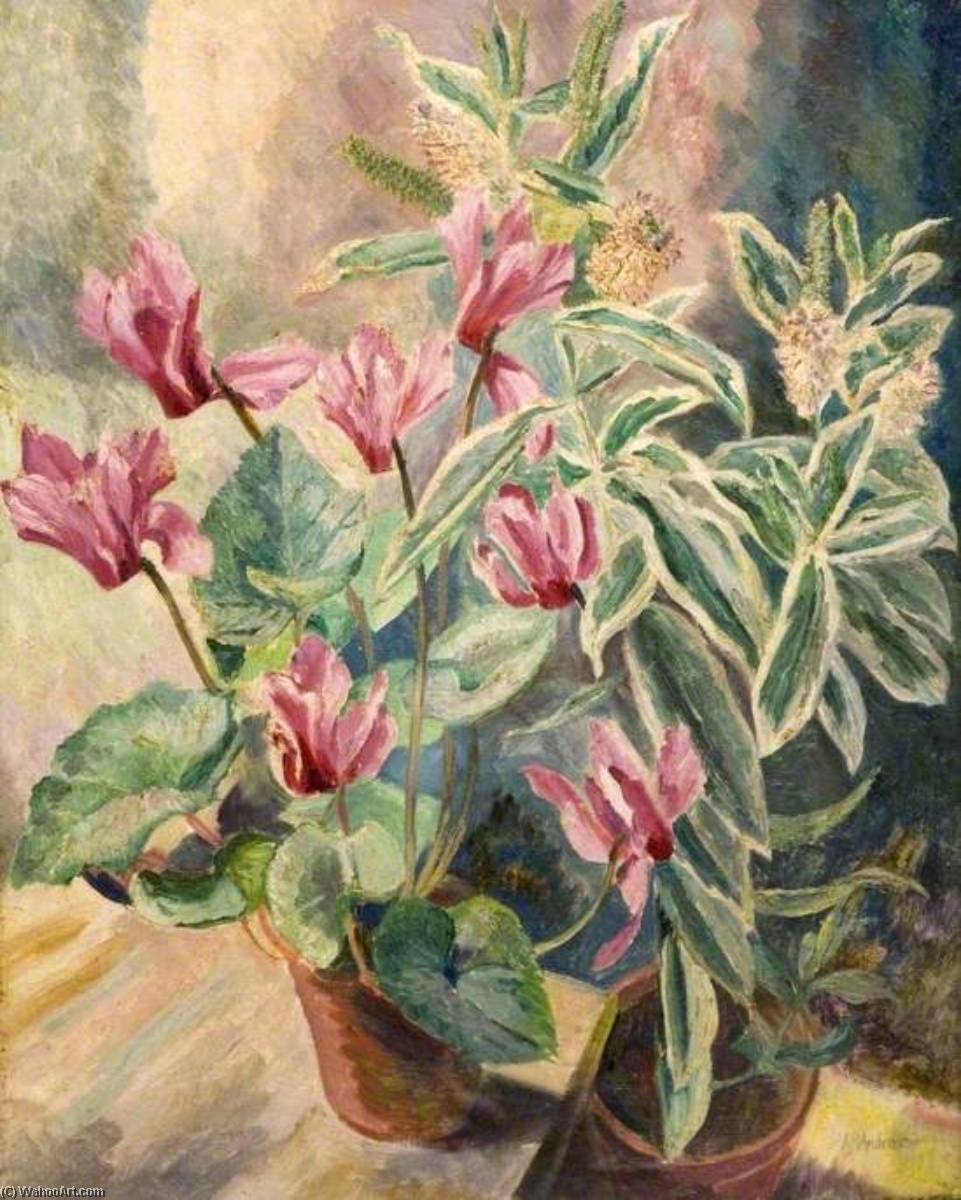
統計情報Flower Study

- 52.0 x 41.0 cm

 詳細を表示
詳細を表示
このページに掲載されている作品は著作権法によって保護されており、当社の許可なく同一の複製物を制作または販売することは法律で禁じられています。この保護は、以下のような国際条約に基づき執行されます。 ベルヌ条約 および、以下の条項に定められたものを含む各国の法律により、 米国著作権法 第17編。
この手法は、著作権で保護された作品の複製や複写を伴わないため、著作権法に完全に準拠しています。これは単なる模倣ではなく、創造的な再解釈です。元の作品からインスピレーションを受けつつも、それとは異なる、全く新しい絵画を生み出すものです。
ジークレー/アートプリント
スピーディーな制作と多彩な仕上げオプションが魅力の、ミュージアムクオリティなジークレー・キャンバスプリント。 ( 手描き複製画を注文する デジタル画像販売へ切り替え)




































作品のオリジナル比率に合わせた、当店の規定サイズからお選びください。

額縁や壁のスペースに合わせて、ご希望の幅と高さを入力してください。プリントはカットすることは可能ですが、元の画像より大きくすることはできないため、異なる比率のサイズを選択された場合は、画像の一部が欠けることになります。印刷を開始する前に、内容を確認していただくためのデジタルモックアップをお送りいたします。このページに表示されている画像は、実際のカット後の状態を示すものではありません。実際の仕上がりはモックアップにてご確認ください。


 ガラスオプションは、110cm未満のサイズでのみご利用いただけます。

Flower Study
ジークレー/アートプリント
複製画サイズ一覧
-


合計金額
¥ 12790
作家プロフィール
A Life in Landscapes: The Evocative World of Arthur Henry Andrews
Arthur Henry Andrews (1906–1966) was a British painter and printmaker whose work quietly captured the essence of mid-century England, alongside a deep affection for the sun-drenched landscapes of Italy. Though not a household name, Andrews cultivated a dedicated following through his evocative depictions of rural scenes, charming cottages nestled in Anglesey, and vibrant harbour views from Chioggia and beyond. His paintings offer a glimpse into a world steeped in tradition, yet rendered with a subtle modern sensibility that reflects his artistic training and lifelong commitment to teaching. Andrews’s formal education began at the Royal College of Art (RCA), a pivotal institution for British artists during the interwar period. This grounding provided him with a solid foundation in technique and an appreciation for both classical and contemporary approaches to artmaking. While details regarding his early life remain somewhat scarce, it is clear that he developed a keen eye for detail and a sensitivity to light and atmosphere—qualities that would become hallmarks of his mature style. He wasn’t solely focused on personal artistic expression; Andrews dedicated much of his career to education, teaching art extensively and fostering the talents of numerous students. This commitment suggests a belief in the power of art as a means of communication and cultural preservation.Artistic Development and Influences
Andrews’s early work likely benefited from exposure to the diverse artistic currents circulating within the RCA during his time there. While he did not adhere rigidly to any single school, elements of realism and impressionism can be detected in his paintings, particularly in his handling of light and colour. The influence of British landscape traditions—artists like John Constable and J.M.W. Turner—is also apparent, though Andrews infused these influences with a more restrained and intimate approach. His repertoire was remarkably diverse, ranging from the structured precision of printmaking to the fluid, atmospheric qualities of oil painting. This versatility allowed him to capture different facets of the natural world:- The tranquil, pastoral beauty of English countryside and the rustic charm of Anglesey cottages.
- The luminous, maritime atmosphere of Italian harbours, specifically in locations like Chioggia.
- The dignified presence of human subjects, as seen in his portraiture, such as his evocative depiction of Antoine Lintermans.
Legacy and Historical Significance
Throughout his career, Andrews maintained a delicate balance between the observational accuracy of a realist and the emotive power of an impressionist. His ability to translate the specific light of a Mediterranean afternoon or the misty morning of a British valley into paint allowed him to create works that feel both timeless and deeply personal. By focusing on the quiet beauty of the everyday—a cottage, a harbour, a portrait—he contributed to a mid-century tradition of landscape painting that celebrated the enduring character of the land and its people. Today, his work remains a significant part of the British artistic record, with pieces held in various public collections. His legacy is not only found in the canvases he left behind but also in the generations of students he mentored, ensuring that his appreciation for technique, light, and the beauty of the natural world continued to resonate through the art of others.
Arthur Henry Andrews
1906 - 1966
プロフィール概要
- Full Name: Arthur Henry Andrews
- Nationality: British
- Date Of Birth: 1906
- Date Of Death: 1966
- Notable Artworks: ['Montmartre, Paris']
- Artistic Movement Or Style: Landscape painting; Impressionism
関連記事

Karl Blossfeldt's 'Urformen der Kunst': Pioneering Botanical Photomicrography & Aesthetic Form
Explore Karl Blossfeldt's groundbreaking *Urformen der Kunst* & pioneering botanical photography. Discover the aesthetic power of nature, New Objectivity influences, and his lasting impact on modern art. Learn about collecting key works.
The Flourishing Canvas: A Historical & Artistic Exploration of Botanical Illustration
Explore the rich history of botanical illustration! Discover key artists like Havell & Barraband, learn about scientific accuracy & aesthetic beauty. Shop museum-quality reproductions at OriginalUniqueArt.

The Art of Observation: From Botanical Rigor to the Impressionist Study of Light
Explore the evolution of landscape art from botanical precision to Impressionist light. Discover the masters of nature's true essence.