
 設置イメージを表示
 シェアする
シェアする シェアする
シェアする
 詳細を見る
詳細を見る ガイドを表示

 ダウンロード
 似ている作品
 X線調査
X線調査 スライドショーを表示
 Q&A
Q&A 統計情報
統計情報Self-Portrait

- 27.0 x 35.0 cm


 詳細を表示
詳細を表示
ジークレー/アートプリント
スピーディーな制作と多彩な仕上げオプションが魅力の、ミュージアムクオリティなジークレー・キャンバスプリント。 ( 手描き複製画を注文する デジタル画像販売へ切り替え)




P118B ¥10

P118H ¥10

P118W ¥10

P438Z ¥10

P508JH ¥12

P508YH ¥12

P805H ¥10

P805Z ¥10

P919BZ ¥10

P919G ¥10

P919XJ ¥10

P959ZH ¥10

P968JZ ¥12

W106C ¥8

W218G ¥10

W218JH ¥8

W218Y ¥10

W307PJ ¥10

W316G ¥10

W316PJ ¥8

W316Y ¥10

W398PJ ¥8

W4111J ¥10

W500HY ¥15

W500JH ¥15

W692G ¥12

W849H ¥8

W940BG ¥15

W953PJ ¥8




作品のオリジナル比率に合わせた、当店の規定サイズからお選びください。

額縁や壁のスペースに合わせて、ご希望の幅と高さを入力してください。プリントはカットすることは可能ですが、元の画像より大きくすることはできないため、異なる比率のサイズを選択された場合は、画像の一部が欠けることになります。印刷を開始する前に、内容を確認していただくためのデジタルモックアップをお送りいたします。このページに表示されている画像は、実際のカット後の状態を示すものではありません。実際の仕上がりはモックアップにてご確認ください。


 ガラスオプションは、110cm未満のサイズでのみご利用いただけます。

Self-Portrait
ジークレー/アートプリント
複製画サイズ一覧
-


合計金額
¥ 12617
A Gaze Through Time: The Introspective Soul of Schoenberg
In the quiet, monochromatic depths of Arnold Schoenberg’s 1918 Self-Portrait, we encounter more than just a likeness; we meet a mind in the midst of a revolution. This striking black and white drawing captures the composer at a pivotal moment in his life and career. The subject, presented with a serious and contemplative expression, looks directly at the viewer, establishing an immediate, almost unsettling intimacy. His short hair, neatly groomed mustache, and formal attire—a suit and tie—suggest a man of discipline and intellect, yet there is an undeniable vulnerability beneath the surface. The composition focuses intensely on the face, stripping away all environmental distractions to force a confrontation between the observer and the observed.
The technique employed in this work speaks to the raw, unadorned honesty that characterized much of the era's avant-garde spirit. Through delicate linework and masterful use of tonal contrast, the artist breathes life into the shadows that contour his features. The absence of color serves a profound purpose, directing our attention toward the texture of the skin, the light reflecting in the eyes, and the somber weight of the subject's gaze. It is a study in restraint, where every stroke contributes to an atmosphere of psychological depth, mirroring the complex, often dissonant layers found within his groundbreaking musical compositions.
The Intersection of Music and Image
To understand this portrait, one must consider the historical landscape of 1918. As a central figure of the Second Viennese School, Schoenberg was actively dismantling the traditional structures of tonality, much like how this drawing dismantles the need for decorative flourish to convey meaning. There is a profound symmetry between his musical innovations—such as the development of atonality—and the stark, structural clarity of this self-portrait. Just as his music sought truth through the rejection of conventional harmony, this drawing seeks truth through the rejection of artifice.
For the collector or the interior designer, this piece offers a sophisticated anchor for a curated space. It possesses a timeless elegance that transcends the era in which it was created. The portrait does not merely decorate a wall; it commands attention and invites deep thought. Its monochromatic palette makes it an incredibly versatile choice for modern, minimalist, or classical interiors, providing a focal point of intellectual gravity. Whether placed in a quiet study, a contemporary gallery setting, or a grand salon, this reproduction serves as a window into the psyche of one of history's most influential creators, offering an enduring sense of prestige and profound emotional resonance.
Q&A
アーノルド・シェーンベルク作「Self-Portrait」の明るさはどのように感じられますか?
全体として、「Self-Portrait」の明るさはbrilliantと記録されています。知覚的な明るさとは、作品がどの程度明るく、あるいは暗く感じられるかを表すものです。
アーノルド・シェーンベルク作「Self-Portrait」 の色彩に調和する空間はどこでしょうか?
Neutralsの色彩を纏ったアーノルド・シェーンベルク作「Self-Portrait」は、Officeに飾るのがおすすめです。その色使いこそが、この提案の理由のひとつです。
注文前にアーノルド・シェーンベルク作「Self-Portrait」をプレビューすることはできますか?
「Self-Portrait」の設置イメージページでは、ご注文前に作品をプレビューいただけます。
作家プロフィール
幼少期と音楽への第一歩
アルノルト・シェーンベルクは、オーストリア系アメリカ人の作曲家であり、1874年9月13日、オーストリアのウィーンに生を受けました。彼の幼少期は、靴屋を営む父のもと、決して裕福とは言えない質素な環境の中にありました。しかし、その内なる音楽への情熱は、彼を独学という険しい道へと駆り立て、自らの手で音楽の深淵へと踏み込ませたのです。音楽的進化と代表作
シェーンベルクの初期作品、例えば 『変容した夜』(1899年) は、ブラームスとワーグナーの様式を融合させた見事なシンセシスを示していました。やがて彼は、アントン・ヴェベルン や アルバン・ベルク と共に、新ウィーン楽派の中核を担う存在へと成長を遂げます。その後の 弦楽四重奏曲第2番 (1907–1908年)、『期待』(1909年)、そして 『ピエロ・ルナール』(1912年) といった作品群は、無調音楽への革新的なアプローチを象徴するものとなりました。教授活動と亡命、そして晩年
1933年、ナチスの台頭により、シェーンベルクの音楽は「退廃芸術」の烙印を押され、彼はプロイセン芸術アカデミーを辞任することを余儀なくされました。その後、彼はアメリカへと渡り、カリフォルニア大学ロサンゼルス校(UCLA)などで教鞭を執りました。現在、同大学の施設には彼の名を冠したものが存在しています。 [https://OriginalUniqueArt.com/@/arnold-sochenberg](OriginalUniqueArtでシェーンベルクの生涯と作品についてさらに詳しく知る)。- シェーンベルクは映画音楽の探求や、より調性的な音楽の作曲にも取り組み、1939年には 室内交響曲第2番 を完成させました。
- また、バイロンに倣い、『ナポレオンへの頌歌』(1942年) においてファシズムの暴君を風刺しました。
- 戦後のウィーンからは名誉市民権を贈られましたが、晩年は病に伏しており、その様子は 弦楽三重奏曲 (1946年) にも刻まれています。
遺産と影響力
ホロコーストの悲劇が世界に知れ渡る中、シェーンベルクは 『ワルシャワの生存者』(1947年) を通じて、犠牲者たちを追悼しました。1951年には、イスラエル・コンサバトリーおよび音楽院から名誉会長に選出されました。 [https://OriginalUniqueArt.com/@@/a@d3bqc7-the-museum-destroyed-by-fire-(united-states)](彼の作品が与えた影響についてOriginalUniqueArtで詳しく学ぶ)。 重要なポイント:- シェーンベルクの革新的な音楽は、20世紀のクラシック音楽において最も影響力があり、かつ論争を巻き起こしたものの一つでした。
- 少なくとも三世代にわたる作曲家たちが、彼の形式的な原理を継承・発展させました。
- 彼の美学と音楽史的見解は、音楽学者のテオドール・W・アドルノやカール・ダールハウスにも多大な影響を与えました。

アーノルド・シェーンベルク
1874 - 1951 , オーストリア
プロフィール概要
- Artistic Movement Or Style: 十二音技法、表現主義
- Artists Or Movements Influenced By This Artist:
- アントン・ウェーベルン
- アルバン・ベルク
- Artists Who Influenced This Artist:
- ヨハネス・ブラームス
- リヒャルト・ワーグナー
- Date Of Birth: 1874年9月13日
- Date Of Death: 1951年
- Full Name: アーノルド・シェーンベルク
- Nationality: オーストリア系アメリカ人
- Notable Artworks:
- 組曲 作品29
- ミュージック・タイプライター
- スタッフライナー
- Place Of Birth: オーストリア、ウィーン
関連記事

Monochrome Visions: Exploring the Aesthetic & Historical Significance of Black & White Photography
Explore the rich history & artistic power of black and white photography. From early techniques to iconic masters like Ansel Adams, discover why monochrome continues to captivate art lovers today. Expert insights for collectors.

Dark Masterpieces: 10 Iconic Paintings Dominated by Black Tones |
Explore 10 iconic paintings dominated by black tones, from Rembrandt’s chiaroscuro to Goya's dark expressions. Discover the stories behind these masterpieces & find museum-quality art reproductions for your home at .

White on Canvas: 10 Masterpieces & Timeless Elegance for Your Home Decor
Explore 10 iconic white paintings by Monet, Whistler & Rothko! Discover the stories behind these serene masterpieces and their impact on art history. Find museum-quality reproductions for your home decor at .
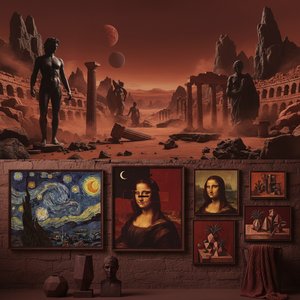
Mars Black Masterpieces: 10 Iconic Paintings & Timeless Art Decor Ideas
Delve into the power of 'Mars Black' with 10 iconic paintings by masters like Rembrandt & Caravaggio. Explore dramatic chiaroscuro, gothic art, and timeless beauty. Find museum-quality reproductions & elevate your home decor on .

Shadow & Soul: Why Black & White Photography Remains the Ultimate Power Move in Modern Art
Discover why black & white photography remains a powerful force in contemporary art. Explore the impact of light, shadow, and texture through a visual journey of monochrome mastery and learn how to elevate your space with timeless grayscale aesthetics.


