

 設置イメージを確認
 送る
送る シェア
シェア
 詳細情報
詳細情報 ガイドを表示

 画像をダウンロード
 似ている作品
 X線調査
X線調査 スライドショー
 統計情報
統計情報Shield with Gorgon


 続きを読む
続きを読む
オンラインプレビューをはるかに凌ぐ、高解像度で鮮明なデジタル画像をご購入いただけます。
各ファイルは、社内の専門家が高度なツールと熟練した手作業によるレタッチを駆使し、細心の注意を払って仕上げています。すべての画像において、卓越した鮮明度、正確な色彩再現性、そして繊細なディテールをお約束いたします。
最終ファイルは、プロフェッショナルな編集・印刷環境ですぐにご利用いただけるよう最適化された状態で、72時間以内にメールにてお届けいたします。これは、一流のデザインスタジオ、出版社、ギャラリーから信頼されているものと同等の品質です。
デジタル画像
個人での鑑賞、印刷、クリエイティブなプロジェクトにご利用いただける高解像度ファイルをダウンロードできます。 ( プリント版に切り替え 手描きの複製画を注文する)
デジタル画像のご注文に付随する特典
プロフェッショナルなデジタル配信を、確かな品質で。
OriginalUniqueArt.com を選ぶことは、単に画像を手に入れることではありません。プロの手によって精密に仕上げられ、満足保証が付いた高品質なデジタルアートワークを受け取ることを意味します。ご注文いただいた際に自動的に付随する内容は、以下の通りです:

メールですぐにお届け
ご注文から72時間以内に、高解像度のデジタル画像ファイルをメールでお送りいたします。お手元に届き次第、すぐにご利用いただけます。

AI技術で最適化されたデジタルファイル
お客様の作品は、高度なAI技術と専門家による手作業を組み合わせてプロフェッショナルに最適化されており、細部のディテール、鮮明さ、そして正確な色再現性を最大限に引き出しています。

一生涯無料の再送サービス
ファイルを誤って削除したり、紛失してしまったりしましたか?ご安心ください。いつでも無料で再送いたします。

輸入手数料は、いつでも一切かかりません
関税や手数料、配送料を気にすることなく、お気に入りのアートワークをすぐにお楽しみいただけます。デジタルダウンロードは常に免税です。

正確な色彩の保証
プロ仕様のツールとカラーマネジメント技術を用いることで、デジタル画像が元の色を最大限に忠実に再現することを保証いたします。

100日間満足保証
ご購入いただいたデジタル画像にご満足いただけない場合は、100日以内であれば、理由を問わず修正または100%の返金対応をさせていただきます。

100% 返金保証
ご満足いただけない場合は、デジタルファイルを受け取ってから100日以内であれば、理由を問わず全額返金いたします。

まとめ買い割引
3枚購入で10%OFF、5枚購入で15%OFF、10枚以上のご購入で20%OFF。クリエイティブなプロジェクトやギャラリー、エージェンシーに最適です。
Shield with Gorgon – A Meditation on Mortality and Ancient Myth
The sculpture “Shield with Gorgon’s Head,” created by Arnold Böcklin in 1897, stands as a haunting testament to the artist's fascination with Greco-Roman mythology and his profound contemplation of death. Exhibited prominently at the Musée d’Orsay in Paris, this piece transcends mere representation; it invites viewers into a realm of psychological exploration where beauty intertwines with unsettling truths. Böcklin, deeply influenced by Nietzschean philosophy – specifically the concept of eternal recurrence – sought to capture not just an image but an experience, mirroring the cyclical nature of existence and confronting us with our inevitable demise.Style and Technique: Symbolist Precision
Böcklin’s style aligns perfectly with the tenets of Symbolism, a movement that rejected realism in favor of conveying emotions and ideas through suggestive imagery rather than literal depiction. Unlike Impressionists who aimed to capture fleeting moments of light and color, Böcklin meticulously crafted his sculpture using a technique rooted in meticulous observation and symbolic distillation. The artist employed a combination of modeling clay and bronze casting – a process demanding considerable skill and patience – to achieve an astonishing level of detail. Notice the subtle gradations of tone within the Gorgon’s head; these aren't merely aesthetic choices but deliberate efforts to convey texture and depth, mirroring the complexities of human emotion. The smooth surface contrasts sharply with the rough contours of the snake’s coils, creating a visual dialogue that underscores the sculpture’s thematic concerns.Historical Context: Nietzschean Echoes and Late Romantic Sentiment
Böcklin's artistic output flourished during the waning years of the Romantic era, a period characterized by an obsession with emotion, imagination, and the sublime—experiences perceived as exceeding human comprehension yet simultaneously elevating the soul. However, Böcklin’s vision extended beyond traditional Romantic tropes; he actively engaged with the burgeoning intellectual currents of his time, particularly Nietzsche's proclamation that “God is dead.” This existential crisis fueled Böcklin’s exploration of themes like nihilism and mortality—concepts central to both Nietzschean thought and Symbolist art. The sculpture reflects a broader cultural preoccupation with confronting death not as an end but as a transformative stage in the cosmic cycle, mirroring Nietzsche's assertion that life itself is an affirmation of eternal recurrence.Symbolism Unleashed: Gorgon’s Head – Terror and Transformation
The Gorgon Medusa represents more than just monstrous horror; she embodies the terrifying power of transformation—a concept inextricably linked to Böcklin’s Symbolist worldview. According to Greek mythology, Medusa possessed snakes for hair that turned anyone who gazed upon them into stone. This image served as a potent symbol of inescapable fate and the destructive force of repressed emotions. The sculptor skillfully captures this duality: the Gorgon's gaze exudes palpable terror, yet simultaneously hints at an underlying process of metamorphosis—a suggestion that confronting death can lead to profound spiritual renewal. Böcklin’s deliberate use of serpentine coils reinforces this symbolism, representing both constriction and liberation – mirroring the artist’s own preoccupation with reconciling beauty and darkness.Emotional Impact: A Confrontation With Eternity
Ultimately, “Shield with Gorgon’s Head” compels viewers to confront their own mortality—to grapple with the inescapable reality that life is finite yet perpetually reborn. The sculpture's unsettling stillness invites contemplation, prompting us to consider our place within the grand scheme of cosmic time. Böcklin doesn’t offer comfort or reassurance; instead, he presents a stark portrait of existence stripped bare – confronting us with the beauty and terror inherent in accepting death as an inevitable component of life’s eternal dance. It is precisely this unflinching gaze—this refusal to shy away from uncomfortable truths—that secures “Shield with Gorgon’s Head”'s enduring power as a masterpiece of Symbolist art and a timeless meditation on the human condition.よくあるご質問
アーノルド・ベックリン作「Shield with Gorgon」の輝度はどのくらいですか?
「Shield with Gorgon」の色調は、Darkの輝度を示しています。
アーノルド・ベックリン作「Shield with Gorgon」の配色(パレット)はどのように表現されていますか?
アーノルド・ベックリン作「Shield with Gorgon」のパレットはEarthyと表現されています。これは、作品の色使いを簡潔にまとめたものです。
アーノルド・ベックリン作「Shield with Gorgon」 の色彩に調和する空間はどこでしょうか?
Earthyの色彩を纏ったアーノルド・ベックリン作「Shield with Gorgon」は、Living Roomに飾るのがおすすめです。その色使いこそが、この提案の理由のひとつです。
アーティスト・プロフィール
生い立ちと修行時代
アーノルド・ベックリンは、スイスを代表する象徴主義の画家として、1827年10月16日、スイスのバーゼルに生を受けました。彼の父であるクリスティアン・フリードリヒ・ベックリンは、シャフハウゼンに古くから続く家系に属し、絹織物貿易に従事していました。また、母であるウルシュラ・リッペも同じくバーゼルの出身でした。若き日のベックリンは、デュッセルドルフ美術アカデミーにてシラーマンに師事し、その過程でアンセルム・フェイエルバッハとの親交を深めました。こうして彼は、デュッセルドルフ派の画家としての足跡を刻み始めたのです。芸術的キャリアと象徴主義
ベックリンの芸術的な旅路は、彼を様々な都市へと導きました。パリではルーヴル美術館での研鑽を積み、ローマではその壮麗な景色から多大な影響を受けました。彼の作品には、古典的な建築を背景に、寓意や神話の登場人物が描かれることが多く、そこには常に「死」や「死すべき運命(モータリティ)」という深遠なテーマが探求されていました。- 初期の代表作の一つである『大公園』では、古代神話の世界が見事に表現されています。
- この時期の重要な作品として、『ニンフとサテュロス』(1858年)や『サッフォー』(1859年)が挙げられます。
- また、ベックリン独自のスタイルを象徴するのが、『自画像:死がバイオリンを弾く』(1872年)です。
遺産と影響力
ベックリンの名を最も広く知らしめたのは、1880年から1886年にかけて描かれた5つのバージョンの『死の島』でしょう。この作品は、娘が埋葬されたフィレンツェの英国人墓地を彷彿とさせるものです。彼の芸術は、ハンス・トマのような後進の画家たちに影響を与えただけでなく、後期ロマン派の作曲家たちのインスピレーションの源ともなりました。- 批評家のクレメント・グリーンバーグは、ベックリンの作品を、その時代における「最も完成された表現の一つ」と評しました。
- 彼のスタイルはラファエル前派とも共鳴し、夢の世界や神秘主義的な側面を強調しています。
美術館とコレクション
ベックリンの傑作は、現在も世界中の様々な美術館に収蔵されています。- 公立美術コレクション(スイス、バーゼル)
- バーゼル美術館(スイス)
- チューリッヒ・クンストハウス(スイス、チューリッヒ)
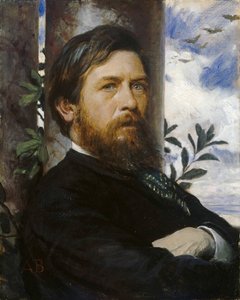
アーノルド・ベックリン
1827 - 1901 , スイス
略歴
- Artistic Movement Or Style: 象徴主義
- Artists Or Movements Influenced By This Artist:
- ハンス・トーマ
- ラファエル前派
- Artists Who Influenced This Artist:
- シルマー
- フェーアバッハ
- Date Of Birth: 1827年10月16日
- Date Of Death: 1901年1月16日
- Full Name: アーノルド・ベックリン
- Nationality: スイス
- Notable Artworks:
- 死の島
- ニンフとサテュロス
- サッフォー
- 自画像
- Place Of Birth: スイス、バーゼル