

 設置イメージを確認
 送る
送る シェア
シェア
 詳細情報
詳細情報 ガイドを表示

 画像をダウンロード
 似ている作品
 X線調査
X線調査 スライドショー
 統計情報
統計情報Centaur Watching Fish
 Oil On Canvas
- WallArt
- Symbolism
 1878
1878- 19th Century
 43.0 x 70.0 cm
 Kunsthaus Zürich
 続きを読む
続きを読む
手描き油彩複製画
当社のアーティストが、お客様のご希望のサイズと額縁に合わせて、キャンバスに手描きで制作する油彩画です。 ( プリント版に切り替え デジタル画像販売へ切り替え)




P118B ¥10

P118H ¥10

P118W ¥10

P438Z ¥10

P508JH ¥12

P508YH ¥12

P805H ¥10

P805Z ¥10

P919BZ ¥10

P919G ¥10

P919XJ ¥10

P959ZH ¥10

P968JZ ¥12

W106C ¥8

W218G ¥10

W218JH ¥8

W218Y ¥10

W307PJ ¥10

W316G ¥10

W316PJ ¥8

W316Y ¥10

W398PJ ¥8

W4111J ¥10

W500HY ¥15

W500JH ¥15

W692G ¥12

W849H ¥8

W940BG ¥15

W953PJ ¥8




作品のオリジナル比率に合わせた、当店の規定サイズからお選びください。

フレームや壁のスペースに合わせて、ご希望の幅と高さを入力してください。本作品は手描きのため、異なる比率のサイズをご希望の場合、絵画の周囲を少し広げて描くか、あるいは端を少しカットして調整することが可能です。お客様のご要望に合わせます。制作を開始する前に、仕上がりを確認するためのデジタルモックアップをお送りいたします。このページに表示されている画像は完成品の実物ではなく、あくまでモックアップによるイメージです。
ご注文後、OriginalUniqueArt.com チームより詳細な指示をお送りするとともに、仕上がりイメージ(モックアップ)をご提供いたします。


 ガラスオプションは、110cm未満のサイズでのみご利用いただけます。

Centaur Watching Fish
再現技法
複製画サイズ一覧
-


合計金額
¥ 47198
A Silent Meditation on Nature and Mortality
In the quietude of Arnold Böcklin’s 1878 masterpiece, “Centaur Watching Fish,” the viewer is invited into a realm where the boundaries between the mythological and the terrestrial dissolve. This evocative oil on canvas, currently held in the prestigious Kunsthaus Zürich, serves as a profound gateway into the Symbolist movement—a period of art history dedicated to exploring the hidden psychological depths of the human soul. Rather than presenting a mere scene from ancient legend, Böcklin crafts an immersive experience that speaks to the universal themes of solitude and the silent, rhythmic pulse of the natural world. The centaur, a creature of dual nature, reclines upon a serene shoreline, his gaze fixed upon the movement beneath the water's surface, creating a moment of suspended animation that feels both eternal and fleeting.
The composition is masterfully orchestrated to evoke a sense of Romantic reverie. Utilizing a horizontal format, Böcklin emphasizes the reclining posture of the centaur, grounding the mythological figure within a landscape of soft sands and swaying grasses. The artist deliberately eschews the rigid precision of strict realism in favor of an emotional truth. Through the use of diffused lighting and gentle shadows, he establishes an atmosphere of melancholic stillness. This technique allows the viewer to feel the weight of the silence, as if the very air around the creature is heavy with contemplation. It is a painting that does not demand attention through spectacle, but rather earns it through a subtle, haunting intimacy.
The Mastery of Texture and Atmosphere
Technically, “Centaur Watching Fish” is a triumph of texture and perspective. Böcklin employs the impasto technique with remarkable skill, applying thick, deliberate layers of paint to render the coarse fur of the centaur’s equine half. This tactile richness provides a palpable sense of physicality, making the creature feel present and breathing within the frame. To balance this heavy texture, the artist utilizes atmospheric perspective to create an illusion of infinite depth. By reducing color saturation and softening the details of the distant horizon, he simulates a hazy, dreamlike distance that reinforces the theme of isolation. This method draws a direct lineage from the Romantic masters like Caspar David Friedrich, using the landscape as a mirror for spiritual introspection.
The color palette is a sophisticated arrangement of earthy tones—ochres, deep browns, and muted beiges—which lends the work an organic, timeless quality. These warm, grounded hues are contrasted by the subtle, shimmering light reflecting off the water, drawing the eye toward the focal point of the centaur’s quiet observation. For the collector or interior designer, this piece offers a unique aesthetic versatility; its somber yet tranquil mood provides a sophisticated anchor for a room, offering a sense of historical depth and intellectual gravity that more contemporary works may lack.
Symbolism: The Intersection of Myth and Being
Beyond its visual splendor, the painting functions as a complex symbolic tapestry. The centaur itself—a hybrid of human intellect and animal instinct—serves as a powerful metaphor for the duality of existence. As he watches the fish, there is a profound sense of the relationship between humanity and the untamed elements of nature. The act of watching becomes a meditation on mortality; the stillness of the figure suggests a resignation to the cycles of life and death that govern both man and beast. There is a touch of sadness in his solitude, yet it is a beautiful, dignified melancholy that celebrates the quiet dignity of existence.
For those seeking to bring a piece of this profound emotional landscape into their personal spaces, a high-quality reproduction of this work offers more than just decoration. It provides a window into a bygone era of artistic exploration, a constant reminder of the beauty found in silence and the enduring power of myth. Whether placed in a library, a study, or a curated gallery space, “Centaur Watching Fish” continues to provoke thought, inviting all who encounter it to pause, breathe, and reflect upon the silent wonders of the world.
よくあるご質問
アーノルド・ベックリン作「Centaur Watching Fish」のどのプリントサイズが、推奨されているお部屋に最適ですか?
アーノルド・ベックリン作「Centaur Watching Fish」 におすすめの組み合わせ:Living Room に飾る Small サイズのプリント。
アーノルド・ベックリン作「Centaur Watching Fish」は、どのような情緒や感情を表現していますか?
アーノルド・ベックリン作「Centaur Watching Fish」に描かれた情緒はRomanticであり、その感情的なトーンはMelancholicです。
「Centaur Watching Fish」の油彩複製画を注文することはできますか?
アーノルド・ベックリン作「Centaur Watching Fish」の手描き複製画は、こちらの手描き油彩複製画ページからご注文いただけます:リネンキャンバスに手描きされた油彩複製画(受注制作)
アーティストについて
生い立ちと修行時代
アーノルド・ベックリンは、スイスを代表する象徴主義の画家として、1827年10月16日、スイスのバーゼルに生を受けました。彼の父であるクリスティアン・フリードリヒ・ベックリンは、シャフハウゼンに古くから続く家系に属し、絹織物貿易に従事していました。また、母であるウルシュラ・リッペも同じくバーゼルの出身でした。若き日のベックリンは、デュッセルドルフ美術アカデミーにてシラーマンに師事し、その過程でアンセルム・フェイエルバッハとの親交を深めました。こうして彼は、デュッセルドルフ派の画家としての足跡を刻み始めたのです。芸術的キャリアと象徴主義
ベックリンの芸術的な旅路は、彼を様々な都市へと導きました。パリではルーヴル美術館での研鑽を積み、ローマではその壮麗な景色から多大な影響を受けました。彼の作品には、古典的な建築を背景に、寓意や神話の登場人物が描かれることが多く、そこには常に「死」や「死すべき運命(モータリティ)」という深遠なテーマが探求されていました。- 初期の代表作の一つである『大公園』では、古代神話の世界が見事に表現されています。
- この時期の重要な作品として、『ニンフとサテュロス』(1858年)や『サッフォー』(1859年)が挙げられます。
- また、ベックリン独自のスタイルを象徴するのが、『自画像:死がバイオリンを弾く』(1872年)です。
遺産と影響力
ベックリンの名を最も広く知らしめたのは、1880年から1886年にかけて描かれた5つのバージョンの『死の島』でしょう。この作品は、娘が埋葬されたフィレンツェの英国人墓地を彷彿とさせるものです。彼の芸術は、ハンス・トマのような後進の画家たちに影響を与えただけでなく、後期ロマン派の作曲家たちのインスピレーションの源ともなりました。- 批評家のクレメント・グリーンバーグは、ベックリンの作品を、その時代における「最も完成された表現の一つ」と評しました。
- 彼のスタイルはラファエル前派とも共鳴し、夢の世界や神秘主義的な側面を強調しています。
美術館とコレクション
ベックリンの傑作は、現在も世界中の様々な美術館に収蔵されています。- 公立美術コレクション(スイス、バーゼル)
- バーゼル美術館(スイス)
- チューリッヒ・クンストハウス(スイス、チューリッヒ)
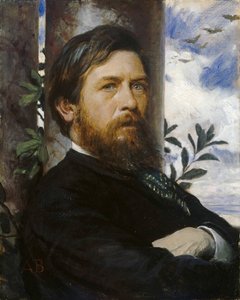
アーノルド・ベックリン
1827 - 1901 , スイス
アーティスト情報
- Artistic Movement Or Style: 象徴主義
- Artists Or Movements Influenced By This Artist:
- ハンス・トーマ
- ラファエル前派
- Artists Who Influenced This Artist:
- シルマー
- フェーアバッハ
- Date Of Birth: 1827年10月16日
- Date Of Death: 1901年1月16日
- Full Name: アーノルド・ベックリン
- Nationality: スイス
- Notable Artworks:
- 死の島
- ニンフとサテュロス
- サッフォー
- 自画像
- Place Of Birth: スイス、バーゼル
関連記事

Romantic Realism's Finest: 10 Masterpieces for Your Home | OriginalUniqueArt
Explore 10 defining masterpieces of Romantic Realism! Discover Courbet, Millet & Daumier's powerful paintings—capturing emotion and social realities. Find museum-quality reproductions for your home at OriginalUniqueArt.com.

The Enduring Power of Painting: A Historical & Contemporary Exploration of Form and Emotion
Explore the rich history & enduring techniques of oil painting with OriginalUniqueArt. Discover masterpieces, learn about art collecting, and find authentic handmade reproductions crafted by skilled artists.

The Enduring Legacy of Oil on Canvas: Technique, History & Aesthetic Impact
Explore the rich history & techniques of oil painting – from Renaissance masters to Impressionism. Discover pigments, layering methods, and why this timeless medium endures. Expert insights for artists & art enthusiasts.

Oil on Canvas: A Historical & Technical Exploration of a Timeless Artistic Medium
Explore the rich history & enduring techniques of oil painting on canvas. Discover the science behind its longevity, conservation practices, and contemporary relevance. Expert insights for art enthusiasts.

油彩のキャンバス:技法、歴史、そして現代の実践 - 古典美術愛好家へ
油彩の技法、歴史、巨匠たちの秘密を徹底解説。古典美術愛好家向けに、初期フランドル絵画から現代の実践まで深く掘り下げます。OriginalUniqueArtで高品質な複製画やカスタムオーダーも承ります。
