

 設置イメージを確認
 送る
送る シェア
シェア
 詳細情報
詳細情報 ガイドを表示

 画像をダウンロード
 似ている作品
 X線調査
X線調査 スライドショー
 統計情報
統計情報A chuva de oiro
 Oil On Canvas
- WallArt
- Surrealist Movement
 1984
1984- Modern
 147.0 x 70.0 cm
 セラルヴェス財団
 続きを読む
続きを読む
このページに掲載されている作品は著作権法によって保護されており、当社の許可なく同一の複製物を制作または販売することは法律で禁じられています。この保護は、以下のような国際条約に基づき執行されます。 ベルヌ条約 および、以下の条項に定められたものを含む各国の法律により、 米国著作権法 第17編。
敬意を払った法的な代替手段として、私たちはオリジナルにインスピレーションを与えられた、カスタムの手描きアートワークを提供しています。私たちの熟練したプロのアーティストは、元の作品が持つスタイル、情緒、そして芸術的なエッセンスを注意深く研究し、独自の創作物でありながら、同じ感性を呼び起こすような、新しくユニークな作品を作り上げます。
この手法は、著作権で保護された作品の複製や複写を伴わないため、著作権法に完全に準拠しています。これは単なる模倣ではなく、創造的な再解釈です。元の作品からインスピレーションを受けつつも、それとは異なる、全く新しい絵画を生み出すものです。
手描き油彩複製画
当社のアーティストが、お客様のご希望のサイズと額縁に合わせて、キャンバスに手描きで制作する油彩画です。 ( プリント版に切り替え デジタル画像販売へ切り替え)




P118B ¥10

P118H ¥10

P118W ¥10

P438Z ¥10

P508JH ¥12

P508YH ¥12

P805H ¥10

P805Z ¥10

P919BZ ¥10

P919G ¥10

P919XJ ¥10

P959ZH ¥10

P968JZ ¥12

W106C ¥8

W218G ¥10

W218JH ¥8

W218Y ¥10

W307PJ ¥10

W316G ¥10

W316PJ ¥8

W316Y ¥10

W398PJ ¥8

W4111J ¥10

W500HY ¥15

W500JH ¥15

W692G ¥12

W849H ¥8

W940BG ¥15

W953PJ ¥8




作品のオリジナル比率に合わせた、当店の規定サイズからお選びください。

フレームや壁のスペースに合わせて、ご希望の幅と高さを入力してください。本作品は手描きのため、異なる比率のサイズをご希望の場合、絵画の周囲を少し広げて描くか、あるいは端を少しカットして調整することが可能です。お客様のご要望に合わせます。制作を開始する前に、仕上がりを確認するためのデジタルモックアップをお送りいたします。このページに表示されている画像は完成品の実物ではなく、あくまでモックアップによるイメージです。
ご注文後、OriginalUniqueArt.com チームより詳細な指示をお送りするとともに、仕上がりイメージ(モックアップ)をご提供いたします。


 ガラスオプションは、110cm未満のサイズでのみご利用いただけます。

A chuva de oiro
再現技法
複製画サイズ一覧
-


合計金額
¥ 47236
アーティストについて
The Dreamweaver of the Azores: The Life and Legacy of António da Costa
In the quiet, mist-shrouded landscapes of Angra do Heroísmo, within the volcanic embrace of the Azores, a vision was born that would eventually reshape the contours of Portuguese modernism. António da Costa (1914–1990) did not merely paint; he orchestrated a profound dialogue between the tangible world and the boundless reaches of the subconscious. As a pioneer of the Surrealist movement in Portugal, his life was a continuous exploration of the liminal spaces where reality dissolves into dream. His journey, which began in the Atlantic islands, would eventually lead him to the intellectual heart of Paris, carrying with him a unique aesthetic that blended the rugged mysticism of his homeland with the radical avant-garde currents of mid-century Europe.
Costa’s artistic evolution was marked by periods of intense creative fervor and profound silences. After enrolling at the Lisbon School of Fine Arts in 1935, he quickly emerged as a vital voice in a burgeoning movement. By 1940, his name was inextricably linked with other Surrealist luminaries like António Pedro, as they sought to liberate art from the suffocating constraints of rationalism and traditional aesthetics. This early period was defined by a striking visual language—a synthesis of Cubist structure, Futurist energy, and Expressionist emotion. His canvases during these years were often populated by distorted figures and symbolic landscapes that echoed the unsettling beauty of the irrational, heavily influenced by the revolutionary spirit of masters like Salvador Dalí and Pablo Picasso.
A Journey Through Light and Shadow
The trajectory of Costa’s career was profoundly altered in 1947 when a French government grant transported him to Paris. This move proved to be both a professional triumph and a personal metamorphosis. While he initially engaged with the Parisian art scene, a period of withdrawal followed in the early 1950s, during which he transitioned from the brush to the pen. For nearly two decades, Costa lived as an observer rather than a creator, serving as a sophisticated reporter for the Brazilian newspaper O Estado de S. Paulo. This era of intellectual wandering allowed him to absorb the pulse of international art criticism, honing a sharp, analytical mind that would later inform his return to the easel.
When he finally returned to painting in 1971, settling in Janville, the Surrealist enigmas of his youth had matured into something far more serene and mystical. The frantic energy of his early work gave way to a style that drew deeply from Azorean religious traditions and folk iconography. These later works were characterized by:
- A quieter, more contemplative register of color and form.
- The integration of sacred symbols and ancestral motifs.
- A profound sense of stillness that reflected a lifetime of accumulated wisdom.
Historical Significance and Enduring Vision
The legacy of António da Costa extends far beyond the borders of the canvas. He was a polymath whose influence permeated the very fabric of Portuguese culture through his poetry, his art criticism, and his public contributions to urban design. From decorating the Cais do Sodré metro station in Lisbon to creating relief sculptures for the Azorean Parliament, his work sought to infuse the everyday environment with a sense of poetic transcendence. He was an artist who understood that the true power of Surrealism lay not just in shock, but in the ability to reveal the hidden magic within the mundane.
Today, when we look upon works such as A chuva de oiro or his hauntingly beautiful Melancholia, we see more than just oil on canvas; we witness a lifelong quest to map the human soul. His ability to navigate the tension between the fragmented geometry of modernism and the organic, spiritual rhythms of his Atlantic roots remains his greatest achievement. António da Costa remains a towering figure in the history of 20th-century art, a dreamer who taught us that even in the most desolate landscapes, there is a vibrant, golden light waiting to be discovered.

António Da Costa
1914 - 1990 , Portugal
アーティスト情報
- Artistic Movement Or Style: Surrealism
- Artists Or Movements Influenced By This Artist: ['Surrealism']
- Artists Who Influenced This Artist:
- Salvador Dalí
- Pablo Picasso
- Date Of Birth: 1914
- Date Of Death: 1990
- Full Name: antónio da costa
- Nationality: Portuguese
- Notable Artworks:
- Episode with dog
- A chuva de oiro
- Place Of Birth: Angra do Heroísmo, Portugal
関連記事
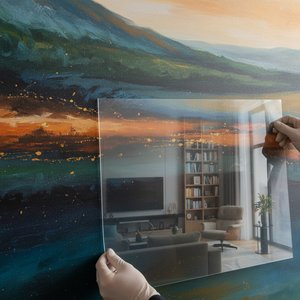
Giclée Prints Explained: The Ultimate Guide to Museum-Quality Art Reproductions
Master the nuances of Giclée printing with our expert guide. Discover how pigment-based inks and museum-grade substrates create fade-resistant, high-fidelity art reproductions designed for discerning collectors seeking unparalleled quality and longevity.
写真プリントによるカスタムデジタル絵画:オリジナル作品の情感と耐久性を超える表現力
オリジナル作品の情感を損なわずに、高解像度で耐久性に優れたカスタムデジタル絵画を制作します。プロのアーティストによる手作業仕上げ。OriginalUniqueArt.comで、特別なアート体験を。

Giclée Prints: Archival Quality & Aesthetic Nuances for the Discerning Collector
Explore the world of giclée prints with OriginalUniqueArt. Learn about archival quality, aesthetic nuances & investment potential. Expert guidance for discerning art collectors seeking museum-quality reproductions and lasting value.
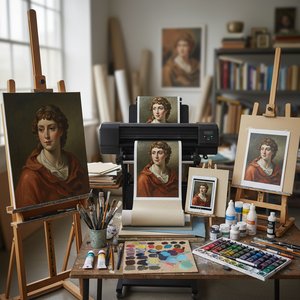
油彩、キャンバス、紙による芸術的再現:技法と鑑賞の深淵を探る
油彩、キャンバス、紙を用いた芸術的再現の技法を深く探求。古典絵画の材料研究からオールドマスターの視点まで、OriginalUniqueArtが美術史と実践的な知識を提供します。高品質な手描き複製やカスタムポートレートも承ります。
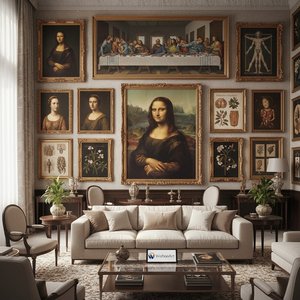
レオナルド・ダ・ヴィンチ:至高の25選 - 芸術、科学、そして不朽の名作の世界
レオナルド・ダ・ヴィンチの至宝25選。モナリザ、最後の晩餐…ルネサンス美術を代表する名画の世界へ。芸術史、技法、そして感動の物語を紐解き、お部屋に飾る高級複製画で特別な空間を。OriginalUniqueArt.comで全コレクションをご覧ください。