

 設置イメージを確認
 送る
送る シェア
シェア
 詳細情報
詳細情報 ガイドを表示

 画像をダウンロード
 似ている作品
 X線調査
X線調査 スライドショー
 Q&A
Q&A 統計情報
統計情報Untitled (Back)
 Abstract Expressionism
 5.0 x 64.0 cm
 UPF Art Track
 続きを読む
続きを読む
このページに掲載されている作品は著作権法によって保護されており、当社の許可なく同一の複製物を制作または販売することは法律で禁じられています。この保護は、以下のような国際条約に基づき執行されます。 ベルヌ条約 および、以下の条項に定められたものを含む各国の法律により、 米国著作権法 第17編。
この手法は、著作権で保護された作品の複製や複写を伴わないため、著作権法に完全に準拠しています。これは単なる模倣ではなく、創造的な再解釈です。元の作品からインスピレーションを受けつつも、それとは異なる、全く新しい絵画を生み出すものです。
ジークレー/アートプリント
スピーディーな制作と多彩な仕上げオプションが魅力の、ミュージアムクオリティなジークレー・キャンバスプリント。 ( 手描きの複製画を注文する デジタル画像販売へ切り替え)




































作品のオリジナル比率に合わせた、当店の規定サイズからお選びください。

額縁や壁のスペースに合わせて、ご希望の幅と高さを入力してください。プリントはカットすることは可能ですが、元の画像より大きくすることはできないため、異なる比率のサイズを選択された場合は、画像の一部が欠けることになります。印刷を開始する前に、内容を確認していただくためのデジタルモックアップをお送りいたします。このページに表示されている画像は、実際のカット後の状態を示すものではありません。実際の仕上がりはモックアップにてご確認ください。


 ガラスオプションは、110cm未満のサイズでのみご利用いただけます。

Untitled (Back)
ジークレー/アートプリント
複製画サイズ一覧
-


合計金額
¥ 12633
アーティストについて
Early Life and Influences
- Born: Barcelona, Spain (1923)
- Died: 2012
- Son of a lawyer and Catalan nationalist, Josep Tàpies i Mestre.
- Grew up in an environment exposed to Catalan public life and republicanism.
- First introduced to contemporary art through the magazine *d’ací i d’allà* at age 17.
- Suffered a near-fatal heart attack at 17 due to tuberculosis, spending two years convalescing in the mountains where he pursued his interest in art.
- Studied law for three years before dedicating himself solely to painting from 1943 onwards.
- Early influences included Paul Klee and Joan Miró.
Artistic Development and "Pintura Matèrica"
- Co-founded the avant-garde movement *Dau al Set* in 1948, connected to Surrealism and Dadaism.
- Developed a distinctive style known as *pintura matèrica* (matter painting).
- Experimented with non-traditional materials like clay, marble dust, waste paper, string, rags, and burned canvas.
- Incorporated philosophical ideas, particularly from Sartre and Eastern thought.
- Became a prominent figure in Spanish Informalism, alongside artists like Enrique Tàbara, Antonio Saura, and Manolo Millares.
- His work is associated with both Tachisme and Abstract Expressionism.
Major Themes and Techniques
- Catalan Identity: Often incorporated symbols of Catalan identity in his works, particularly during periods of political oppression under Franco.
- Matter as a Medium: Explored the transformative qualities of matter, using it to evoke solidity, mass, and a sense of history.
- Textural Exploration: Created rich textures through layering materials and experimenting with unconventional techniques.
- Symbolism: Employed symbolic imagery, often drawing from Eastern philosophy and personal experiences.
- Later Works: Incorporated objects into his paintings and explored themes of man-nature identity and the denial of dualism.
Recognition and Legacy
- Gained international recognition by the late 1950s, with exhibitions in major museums worldwide.
- Received the Praemium Imperiale in 1986.
- Established the Fundació Antoni Tàpies in Barcelona to promote contemporary art.
- Represented Spain at the Venice Biennale in 1993, winning the Golden Lion.
- His work has had a significant influence on painting, sculpture, etching, and lithography.
- Considered one of Spain's most renowned artists of the second half of the 20th century.
Historical Significance
- A key figure in the development of Art Informel, contributing significantly to abstract art movements after World War II.
- Pioneered the use of non-traditional materials and techniques in painting, influencing subsequent generations of artists.
- His exploration of Catalan identity provided a powerful artistic expression during times of political repression.
- His work continues to be exhibited and studied worldwide, solidifying his place as an important figure in modern art history.

Antoni Tàpies
1923 - 2012 , Spain
アーティスト情報
- Full Name: Antoni Tàpies i Puig
- Nationality: Spanish (Catalan)
- Date Of Birth: 1923
- Date Of Death: 2012
- Place Of Birth: Barcelona, Spain
- Notable Artworks:
- Untitled (Back)
- Concert
- Ambrosia
- Relieve blanco con cruces
- Calavera I
- Artistic Movement Or Style: Art Informel, Surrealism
- Artists Who Influenced This Artist:
- Paul Klee
- Joan Miró
- Marcel Duchamp
- Georges Braque
- Artists Or Movements Influenced By This Artist: ['Julian Schnabel']
関連記事

抽象表現主義を定義する十大傑作:芸術と装飾の深遠な旅
抽象表現主義を定義する10の傑作。ポロック、ロスコら巨匠たちの情熱と色彩の世界へ。各作品に込められた物語と技法を紐解き、至高のアート体験を。OriginalUniqueArt.comで、ミュージアムクオリティの複製画や洗練されたインテリアアイデアを発見してください。
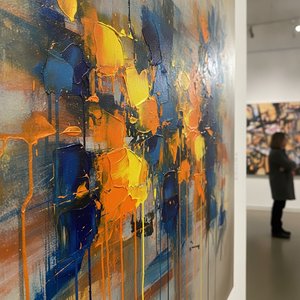
Beyond the Lines: Mastering the High-Impact World of Contemporary Abstraction
Master the high-impact world of contemporary abstraction. Discover how bold colors, textures, and modern movements like Abstract Expressionism can transform your space with premium, high-energy art curated for the design-conscious professional.

Kandinsky's Masterpieces: 25 Paintings That Define Abstract Art | OriginalUniqueArt
Journey through Wassily Kandinsky's 25 most iconic abstract paintings. Explore his revolutionary use of color, form & spiritual expressionism. Find museum-quality Kandinsky reproductions and elevate your home decor with OriginalUniqueArt.com. Discover all masterpieces on OriginalUniqueArt.com!

マーク・ロスコ傑作25選:色彩が織りなす深遠な世界|OriginalUniqueArt
マーク・ロスコの傑作25選。抽象表現主義を代表する巨匠、色彩が織りなす深遠な世界を探求します。絵画の背景や技法、感動的なストーリーを紐解き、OriginalUniqueArtで高品質なアートプリントをお楽しみください。リビングやオフィスにモダンアートを飾るなら!
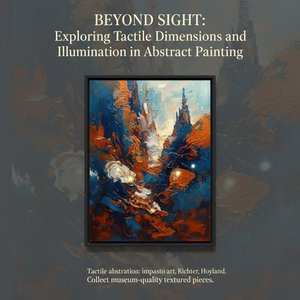
Beyond Sight: Exploring Tactile Dimensions and Illumination in Abstract Painting
Explore the captivating world of tactile abstraction! Discover impasto techniques, influential artists like Richter & Hoyland, and expert insights for collecting textured art. Elevate your space with museum-quality pieces.