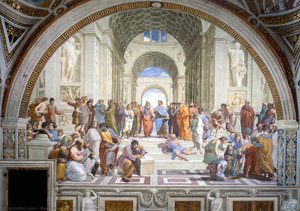
設置イメージを確認
 送る
送る シェア
シェア
 詳細情報
詳細情報 ガイドを表示

 画像をダウンロード
 似ている作品
 X線調査
X線調査 スライドショー
 統計情報
統計情報Self Portrait
 Acrylic On Canvas
- WallArt
- Neoclassical Painting
 1774
1774 562.0 x 735.0 cm
 ウォーカー・アート・ギャラリー
 続きを読む
続きを読む
ジークレー/アートプリント
スピーディーな制作と多彩な仕上げオプションが魅力の、ミュージアムクオリティなジークレー・キャンバスプリント。 ( 手描きの複製画を注文する デジタル画像販売へ切り替え)




P118B ¥10

P118H ¥10

P118W ¥10

P438Z ¥10

P508JH ¥12

P508YH ¥12

P805H ¥10

P805Z ¥10

P919BZ ¥10

P919G ¥10

P919XJ ¥10

P959ZH ¥10

P968JZ ¥12

W106C ¥8

W218G ¥10

W218JH ¥8

W218Y ¥10

W307PJ ¥10

W316G ¥10

W316PJ ¥8

W316Y ¥10

W398PJ ¥8

W4111J ¥10

W500HY ¥15

W500JH ¥15

W692G ¥12

W849H ¥8

W940BG ¥15

W953PJ ¥8




作品のオリジナル比率に合わせた、当店の規定サイズからお選びください。

額縁や壁のスペースに合わせて、ご希望の幅と高さを入力してください。プリントはカットすることは可能ですが、元の画像より大きくすることはできないため、異なる比率のサイズを選択された場合は、画像の一部が欠けることになります。印刷を開始する前に、内容を確認していただくためのデジタルモックアップをお送りいたします。このページに表示されている画像は、実際のカット後の状態を示すものではありません。実際の仕上がりはモックアップにてご確認ください。


 ガラスオプションは、110cm未満のサイズでのみご利用いただけます。

Self Portrait
ジークレー/アートプリント
複製画サイズ一覧
-


合計金額
¥ 12695
The Enigmatic Gaze: Unpacking Anton Raphael Mengs’ “Self Portrait”
Anton Raphael Mengs' "Self Portrait," painted in 1774, isn’t merely a likeness; it’s a carefully constructed tableau of intellectual ambition and introspective melancholy. Captured with the precision characteristic of the Neoclassical movement, this painting offers a rare glimpse into the mind of an artist grappling with his burgeoning fame and the weighty expectations placed upon him. The image immediately draws the eye to the subject's face – a man in his mid-forties, rendered with a remarkable sensitivity that belies the formality of the attire. His mouth is slightly open, a subtle gesture hinting at contemplation or perhaps even a quiet sadness; it’s an expression that invites prolonged observation and fuels speculation about the thoughts swirling within him.
The composition itself speaks volumes. Mengs sits three-quarters to his right, a pose favored by portrait painters of the era, suggesting both dignity and engagement with the viewer. The rich brown coat, meticulously detailed, anchors him in a world of established artistic circles, while the scarf draped loosely around his neck adds a touch of understated elegance. Yet, it’s the lighting – masterful chiaroscuro reminiscent of Rembrandt – that truly elevates the piece. Dark shadows pool beneath his eyes and across his shoulders, creating a sense of depth and drawing attention to the delicate lines of his face. The light catches the texture of his clothing and highlights the subtle nuances of his expression, transforming a simple portrait into a study in mood and atmosphere.
A Bridge Between Worlds: Mengs’ Artistic Genesis
Mengs' journey to this moment was profoundly shaped by his lineage and the intellectual currents of the Enlightenment. Born in 1728 in Ústí nad Labem, Bohemia – a region now part of the Czech Republic – he inherited a legacy of artistic talent from his father, Ismael Mengs, a Danish painter who found patronage at the Dresden court. This early exposure to the refined tastes and exacting standards of the German aristocracy instilled within young Anton a deep appreciation for classical ideals and meticulous technique. Crucially, in 1741, he was sent to Rome – a pivotal decision that irrevocably shaped his artistic development.
Immersed in the heart of the Roman art world, Mengs spent years studying the masterpieces of Raphael, Michelangelo, and other Renaissance giants. He meticulously copied their works, absorbing not just their technical skill but also their profound understanding of human anatomy, perspective, and composition. This immersion in classical antiquity would become the bedrock of his artistic style – a commitment to clarity, balance, and idealized beauty that defined Neoclassicism. The influence is immediately apparent in “Self Portrait,” where Mengs consciously adopts a pose reminiscent of ancient Roman portraiture, signaling his ambition to emulate the masters and establish himself as a leading figure in the revival of classical art.
Symbolism and Context: The Weight of Ambition
Beyond its technical brilliance, “Self Portrait” is laden with symbolic meaning. The open mouth, as previously noted, suggests introspection – perhaps a moment of self-doubt amidst the pressures of his career. The carefully chosen attire—the brown coat, the scarf—reflects his position within European artistic circles, signaling both his status and his adherence to established conventions. However, there’s also an underlying sense of weariness in Mengs' gaze, hinting at the sacrifices required to achieve success and the loneliness inherent in a life devoted to art.
Painted just three years before his untimely death at the age of 51, the portrait captures a man on the cusp of greatness but also burdened by mortality. Mengs was a celebrated artist throughout Europe, a key figure in the creation of Neoclassicism, yet he faced constant challenges – financial difficulties, professional rivalries, and the relentless demands of his patrons. “Self Portrait” offers a poignant glimpse into the inner life of an artist grappling with these complexities, reminding us that even the most accomplished figures are subject to human vulnerability and uncertainty.
A Timeless Reflection: Reproduction and Artistic Legacy
Reproductions of Mengs’ “Self Portrait” continue to resonate today, offering a window into the artistic sensibilities of the 18th century. The painting's masterful use of light and shadow, combined with its psychologically astute portrayal of the subject, ensures its enduring appeal. Whether displayed in a grand salon or a contemporary art space, this work serves as a powerful reminder of the transformative power of art – its ability to capture not just likeness but also essence, emotion, and the complexities of the human experience. Consider commissioning a hand-painted reproduction to bring this captivating piece into your own home, preserving Mengs’ legacy for generations to come.
よくあるご質問
「Self Portrait」の高解像度ダウンロード版は購入可能ですか?
アントン・ラファエル・メングス作「Self Portrait」のデジタルファイルをご希望の場合は、デジタル画像ページより高解像度デジタル画像のダウンロードをご注文ください。
アントン・ラファエル・メングス作「Self Portrait」の構図を主導している色は何ですか?
アントン・ラファエル・メングス作「Self Portrait」の主色(メインカラー)はEspresso (#372623)です。
アントン・ラファエル・メングス作「Self Portrait」 の技法(画材)は何ですか?
アントン・ラファエル・メングスは、「Self Portrait」においてAcrylic On Canvasの技法を用いています。この技法が、原画の素材としての性質を決定づけています。
アーティストについて
二つの世界の架け橋:アントン・ラファエル・メンゲスの生涯と芸術
アントン・ラファエル・メンゲスは、ヨーロッパ美術史における極めて魅力的な転換期にその姿を現しました。それは、ロココ様式の華美な装飾が、古典的理想への新たな情熱へと道を譲り始めた時代でした。現在のチェコ共和国にあたるボヘミアのウスチ・ナド・ラベムに1728年に生まれた彼の芸術的歩みは、自らの血統と啓蒙主義という知的な潮流の両方によって深く形作られました。ドレスデン宮廷で庇護を受けていたデンマーク人画家イスマエル・メンゲスは、若きアントンの類まれな才能をいち早く見抜きました。この才能への眼差しが、1741年という決定的な転機をもたらします。ローマへの移住です。そこで芽生えたばかりの芸術家は、古代の傑作やラファエロをはじめとするルネサンスの巨匠たちの作品に没入することとなりました。この経験こそが彼の審美眼に消し去ることのできない刻印を押し、古典的な形態、明晰さ、そして構図への深い畏敬の念を植え付けたのです。これらは後に、彼の成熟した様式の代名動となる特質となりました。初期の歳月は緻密な模写に捧げられましたが、それは単なる技術習得の訓練ではなく、ラファエロの天才性の本質を吸収しようとする、深遠なる芸術的巡礼の儀式でもあったのです。ドレスデンからマドリードへ:宮廷を渡り歩いた軌跡
メンゲスのキャリアは、ヨーロッパの主要な宮廷を舞台に展開され、その一つひとつが彼の芸術的発展に独自の足跡を残しました。1749年、彼はザクセン選帝侯フリードリヒ・アウグストの宮廷画家という名誉ある地位を確立します。この職は彼に経済的な安定をもたらしただけでなく、自身の芸術的インスピレーションの源泉であるローマに拠点を維持する自由を与えました。しかし、彼の名を真に不動のものとしたのは、そのフレスコ画でした。1761年頃に完成したローマのヴィラ・アルバーニにある『パルナッソス』は、調和のとれた構図、優美な人物像、そして古典神話を繊細かつ力強く想起させる表現によって、瞬く間にセンセーションを巻き起こしました。この作品は単なる装飾的な彩りではありませんでした。それは、バロックの壮大さと、立ち上がりつつあった新古典主義の原理を融合させようとする、意図的な宣言だったのです。その後も依頼は続き、ローマのサン・エウゼビオ教会のドームを飾る見事なフレスコ画など、記念碑的な装飾と空間的錯覚における彼の卓越した技量を示す作品が次々と誕生しました。そしておそらく最も野心的な試みは、1761年のスペイン宮廷からの招待によってもたらされました。マドリードへと渡った彼は、複数の王宮の装飾を任され、その集大成として王宮宴会所の壮麗な天井画を完成させました。これはイタリア的な優雅さとスペイン的な感性を融合させた、彼の最高傑作の一つと称えられる仕事でした。ヴィンケルマンとの絆:新古典主義思想の形成
メンゲスの芸術的進化は、単なる視覚的な研究のみによって駆動されたのではありません。それは当時の知的な言説と深く結びついていました。決定的な転換点は、新古典主義運動の基礎を築いた先駆的な美術史家、ヨハン・ヨアヒム・ヴィンケルマンとの親密な友情と協力関係にありました。ヴィンケルマンは、古代ギリシャ美術が持つとされる純粋さと簡潔さへの回帰を提唱し、理性、秩序、そして理想化された形態に基づく美学を主張しました。メンゲスは単にヴィンデマンの理論を絵画化したのではありません。彼は抽象的な概念を具体的な芸術表現へと翻訳することで、その思想形成に積極的に関与していたのです。二人は共に、真の美とは表面的な装飾の中にあるのではなく、古典古代に見出される調和と比率という根源的な原理の中に宿ると信じていました。このパートナーシップは理論的な議論に留まらず、メンゲスの絵画そのものに現れました。彼の作品には、ヴィンケルマンが重視した「高貴な単純さと静かな偉大さ」が次第に反映されるようになったのです。この影響は相互的なものでした。ヴィンケルマンの著作はメンゲスの芸術活動に哲学的な枠組みを与え、一方でメンゲスの芸術は、新古典主義の理想がいかに実現可能であり、いかに美しいかを視覚的に証明する役割を果たしたのです。遺産と影響:時代を切り拓いた先駆者
1779年、アントン・ラファエル・メンゲスはローマでその生涯を閉じましたが、彼が残した遺産は、その圧倒的な作品群の枠を遥かに超えて広がっています。彼は単なる画家ではありませんでした。一つの芸術時代から次の時代へと移り変わる過程における、極めて重要な結節点となる人物だったのです。光と影の劇的な用法や錯視技法の習熟といったバロックの伝統に根ざしながらも、メンゲスは新古典主義という新たな潮流を勇敢に受け入れ、ジャック=ルイ・ダヴィッドやアントニオ・カノーヴァといった後の芸術家たちの道を切り拓きました。古典的理想へのこだわりと卓越した技術力は、彼を18世紀美術を形作る主導的な勢力として確立させました。ノーサンバーランド公爵のために描かれたアテナイの学堂は、歴史的前例と当時の芸術的感性を融合させる彼の能力を物語る記念碑的な作品です。絵画やフレスコ画のみならず、その影響は教育の場にも及びました。彼はバチカン絵画学校の校長を務め、古典的な原理を深く理解した次世代の芸術家たちを育成しました。敬虔なカトリック信徒でありながら啓蒙思想とも対話し、伝統と革新の均衡を保ち続けた彼の姿は、非常に複雑で魅力的なものでした。その生涯と作品は、芸術的技能、知的好奇心、そして歴史的状況が交差する極めて興味深い地点を示しており、新古典主義芸術の真の先駆者としての地位を揺るぎないものにしています。彼の響きは今日においてもなお、私たちの心に深く共鳴しています。それは、芸術表現にインスピレーションを与え、変革をもたらす古典的理想が持つ、不朽の力を私たちに再認識させてくれるのです。
アントン・ラファエル・メングス
1728 - 1779 , チェコ共和国
アーティスト情報
- Artistic Movement Or Style: 新古典主義絵画
- Artists Or Movements Influenced By This Artist: ['新古典主義']
- Artists Who Influenced This Artist:
- ラファエロ
- ティツィアーノ
- コレッジョ
- Date Of Birth: 1728年3月22日
- Date Of Death: 1779年6月29日
- Full Name: アントン・ラファエル・メンクス
- Nationality: ドイツ・ボヘミア
- Notable Artworks:
- パルナッソス
- アテナイの学堂
- 皇太子としてのカール4世
- Place Of Birth: チェコ共和国、ウースチー・ナド・ラベム
関連記事

レンブラント傑作25選:光と影の巨匠、魂を揺さぶる名画の世界 | OriginalUniqueArt
レンブラントの傑作25選。光と影の魔術師が描いた魂を揺さぶる名画の世界へ。美術史に残る自画像、夜警、宗教画…OriginalUniqueArtで高品質なアートプリントやインテリアアートをお楽しみください。コレクションはこちら→
Reflecting the Self: A History of Portraiture & Psychological Insight
Explore the fascinating history of self-portraiture from Renaissance masters like Dürer & Rembrandt to modern interpretations. Discover the psychological insights and artistic techniques behind these iconic works. Expert analysis for art enthusiasts.
Adriaen van Ostade: A Master of Dutch Genre Painting & Social Commentary
Explore the life & work of Adriaen van Ostade, a leading Dutch Golden Age painter. Discover his realistic genre scenes, social commentary, and lasting influence on art history. Learn more at OriginalUniqueArt.
Decoding Van Gogh's Turmoil: OriginalUniqueArt’s Masterful Reproductions of Emotional Depth
Discover exquisite Van Gogh reproductions from OriginalUniqueArt – expert art specialists offering museum-quality prints & custom paintings. Trust our authentic process and elevate your collection today.
没後印象派を彩る至宝:時代を定義した10大名作
時代を彩る没後印象派の名作10選。ゴッホ、セザンヌら巨匠の傑作を深く掘り下げ、その物語と技法に迫ります。色彩豊かなアートで空間を演出。OriginalUniqueArt.comで至高のアートプリントを見つけませんか?