

 送る
送る シェア
シェア
 詳細情報
詳細情報 ガイドを表示

 画像をダウンロード
 似ている作品
 スライドショー
 統計情報
統計情報Jaguar Devouring a Hare
 Bronze
- Sculpture
- Romanticism
 1850
1850- 19th Century
 42.0 x 95.0 cm
 ルーブル美術館
 続きを読む
続きを読む
ジークレー/アートプリント
スピーディーな制作と多彩な仕上げオプションが魅力の、ミュージアムクオリティなジークレー・キャンバスプリント。 ( 手描きの複製画を注文する デジタル画像販売へ切り替え)




































作品のオリジナル比率に合わせた、当店の規定サイズからお選びください。

額縁や壁のスペースに合わせて、ご希望の幅と高さを入力してください。プリントはカットすることは可能ですが、元の画像より大きくすることはできないため、異なる比率のサイズを選択された場合は、画像の一部が欠けることになります。印刷を開始する前に、内容を確認していただくためのデジタルモックアップをお送りいたします。このページに表示されている画像は、実際のカット後の状態を示すものではありません。実際の仕上がりはモックアップにてご確認ください。


 ガラスオプションは、110cm未満のサイズでのみご利用いただけます。

Jaguar Devouring a Hare
ジークレー/アートプリント
複製画サイズ一覧
-


合計金額
¥ 12603
A Primal Symphony in Bronze
In the quiet stillness of a gallery, few works command the room with such visceral intensity as Antoine-Louis Barye’s Jaguar Devouring a Hare. This masterpiece is not merely a depiction of nature; it is a captured moment of raw, unbridered life and death. As one gazes upon the muscular tension of the jaguar, there is an undeniable sense of movement, as if the predator's heavy breathing and the frantic struggle of its prey are still echoing through the bronze. Barye, the legendary animalier, transcends simple representation to channel the very essence of the wild, inviting the viewer into a dramatic encounter that feels both ancient and immediate.
The sculpture serves as a profound study in contrast, where the heavy, powerful limbs of the great cat meet the delicate, vulnerable form of the hare. This juxtaposition creates a narrative tension that is central to the Romantic movement, where the sublime beauty of nature is often found in its most ferocious and untamed states. For the discerning collector or interior designer, this piece offers more than just aesthetic value; it provides a focal point of profound emotional depth, capable of anchoring a room with its commanding presence and storytelling power.
The Mastery of the Animalier
To understand the brilliance of this work, one must look to the hands that shaped it. Antoine-Louis Barye began his journey not in the lofty halls of academia, but as an apprentice goldsmith. This foundational training in fine metalwork gifted him with a meticulous eye for detail and an unparalleled command over texture. When he transitioned to sculpture, he brought this precision to the study of anatomy, meticulously observing the way muscle ripples under skin and how bone structure dictates form. In Jaguar Devouring a Hare, every sinew and every curve of the jaguar's powerful frame speaks to this scientific rigor blended with artistic passion.
Utilizing the ancient lost-wax casting method, Barye was able to translate his fluid clay models into enduring bronze. This technique allowed for an incredible level of complexity, capturing the subtle textures of fur and the grim reality of the hunt. The dark, rich patina of the bronze enhances the shadows within the sculpture, adding a layer of mystery and weight that makes the scene feel grounded in reality. It is this technical perfection that allows the work to bridge the gap between a scientific anatomical study and a high-art emotional epic.
A Timeless Addition to the Modern Collection
Beyond its historical significance as a cornerstone of 19th-century Romanticism, this sculpture remains strikingly relevant for contemporary spaces. In an era of digital abstraction, there is a profound longing for the tactile, the physical, and the real. A high-quality reproduction of Barye’s work brings this much-needed groundedness into a home or professional environment. Whether placed in a sunlit study, a sophisticated library, or as a centerpiece in a modern living area, the sculpture acts as a conversation piece that celebrates the enduring power of the natural world.
For those seeking to curate an atmosphere of strength, elegance, and intellectual curiosity, this work offers endless inspiration. It is a testament to the idea that art should not only decorate a space but also provoke thought and stir the soul. Owning a piece that captures such a legendary moment in art history allows one to surround themselves with the legacy of the "father of animal sculpture," ensuring that the primal energy of Barye’s vision continues to inspire generations to come.
よくあるご質問
アントワーヌ=ルイ・バリー作「Jaguar Devouring a Hare」の輝度はどのくらいですか?
アントワーヌ=ルイ・バリー作「Jaguar Devouring a Hare」 の輝度は Gentle Luminance です。輝度とは、色がどれほど光を反射しているかを表す指標です。
アントワーヌ=ルイ・バリー作「Jaguar Devouring a Hare」をスライドショーで閲覧するには、どうすればよいですか?
アントワーヌ=ルイ・バリー作「Jaguar Devouring a Hare」は、作品のスライドショーページにてスライドショーとしてご覧いただけます。
「Jaguar Devouring a Hare」全体の明るさはどの程度ですか?
全体として、「Jaguar Devouring a Hare」の明るさはbalancedと記録されています。知覚的な明るさとは、作品がどの程度明るく、あるいは暗く感じられるかを表すものです。
アーティストについて
動物彫刻の先駆者:アントワーヌ=ルイ・バリーの生涯と遺産
1795年9月24日、パリに生を受けたアントワーヌ=ルイ・バリーは、19世紀の彫刻界において極めて重要な役割を担う人物として登場しました。彼は単に動物を描写しただけではありません。かつて見たこともないような劇的な緊張感と解剖学的な正確さを作品に吹き込み、動物の形態に特化したジャンルである「アニミエ(animalier)」を、紛れもない純粋芸術の領域へと押し上げたのです。バリーの歩みは、彫刻家の工房ではなく、父の跡を継ぐ金細工師の見習いとして始まりました。この初期の修行が、彼のキャリアを通じて計り難い価値を持つこととなる、細部への緻密なこだわりと卓越した技術の習得をもたらしました。彼はフランソワ=ジョゼフ・ボシオやアントワーヌ=ジャン・グロといった彫刻家たちの下でさらなる研鑽を積み、古典的な原則を吸収しながら、同時に独自のロマン主義的な感性を育んでいきました。エコール・デ・ボザールでの正規の教育は強固な基礎を与えましたが、彼の芸術的ビジョンに真の火を灯したのは、1823年頃、パリの植物園(ジャルダン・デ・プランタージュ)で出会った生きた世界、すなわちそこに息づく動物たちとの邂逅でした。金細工師からアニミエへ:独自の様式の確立
バリーによる動物観察への献身は、一種の執念とも言えるものでした。彼は単に眺めるのではなく、彼らの解剖学的構造、動き、そして行動を深く研究し、素描し、緻密に分析しました。しかし、このリアリズムへの追求は、決して冷徹で臨床的なものではありませんでした。そこにはロマン主義運動の特徴である、感情の昂ぶりが満ち溢れていたのです。学生時代に制作された「ライオンに食われるクロトナのミロ」(1819年)や「エリマントスの猪を伴うヘラクレス」(1م20年頃)といった初期作品には、ダイナミックな構図と劇的な物語性を生み出す彼の才能の片鱗が見て取れます。しかし、バリーが真に自身の代名詞となる様式を確立したのは、サロンで大きな旋風を巻き起こした記念碑的な石膏像「ガビアル・クロコダイルを喰らう虎」(1831年)や、ブロンズ鋳造による「蛇を締め上げるライオン」(1832年)といった作品を通じてでした。これらは単なる静止した表現ではなく、自然界における生存競争の残酷な美しさを捉え、剥き出しの力が時間の中に凍りついた瞬間そのものでした。彼は単なる模倣を超え、動物の生命の本質――その強靭さ、敏捷さ、そして飼い慣らされることのない精神――を表現することに成功したのです。彼の作品は、文明社会の枠組みを超えた体験を渇望するロマン主義的な情熱を反映し、エキゾチックで野生的なものへの高まる大衆の関心と深く共鳴しました。主要作品と記念碑的な依頼作品
キャリアを通じて、バリーは驚くほど多種多様な彫刻を生み出し、その一つひとつが動物の形態と動きを捉える比類なき技術を証明していました。象徴的な「ガビアル・クロコダイルを喰らう虎」や「蛇を締め上げるライオン」にとどまらず、「テセウスとミノタウロス」(1843年)、「ヒッポグリフに乗るロジャーとアンジェリカ」(1846年)、「ラピスとケンタウロス」(1848年)、「野ウサギを喰らうジャガー」(1850年)といった傑作は、彼の多才さと想像力の豊かさを物語っています。また、彼は捕食者同士の遭遇を描くことだけに限定されませんでした。神話的な場面も探求し、動物研究で培ったダイナミックなエネルギーと解剖学的な精密さを、それらの主題にも注ぎ込んだのです。その才能は小規模なブロンズ像に留まりませんでした。バリーは記念碑的な作品の権威ある依頼も受けており、フランスの不屈の精神の象徴である「七月革命記念柱のライオン」や、パリのチュイルリー庭園を飾る彫刻などもその一部です。これらの大規模なプロジェクトは、自身の芸術的ビジョンを公共芸術へと昇華させる彼の能力を示し、フランスを代表する彫刻家としての地位を不動のものにしました。影響、苦闘、そして永遠の意義
バリーの作品は、多様な影響の結晶でした。彫刻に漂う劇的な緊張感には、ロマン主義が重んじた感情と個人主義が明白に現れています。同時に、解剖学的な正確さと理想化された形態へのこだわりには、古典芸術からのインスピレーションが見て取れます。しかし、彼を真に際立たせていたのは、植物園での数え切れないほどの時間を通じて培われた、科学的な観察アプローチでした。批評家からの絶賛を浴びながらも、バリーの人生は決して平坦なものではありませんでした。経営上の才覚に欠けていたこともあり、キャリアの大部分において経済的な困難に直面しました。1848年の破産により、彼は自らのモデルや型を売却せざるを得なくなり、その結果、市場には質の低い模倣品が溢れ、彼の名声に傷がつく時期もありました。1854年には国立自然史博物館のデッサン教授としてある程度の安定を得ましたが、彼の天才性が真に正当に評価されたのは、死後のことでした。今日、アントワーヌ=ルイ・バリーは「近代動物彫刻の父」として広く認識されています。後世の芸術家たちに与えた影響は疑いようもなく、その作品は力強さ、リアリズム、そして永遠の美しさによって称えられ続けています。彼はアニミエというジャンルを、単なるニッチな追求から、尊敬されるべき芸術表現の形態へと昇華させ、彫刻史に消えることのない足跡を残したのです。彼の遺産は、今もなお世界中のコレクターや美術館において、畏敬と称賛の念を呼び起こし続けています。
アントワーヌ=ルイ・バリー
1796 - 1875 , フランス
アーティスト情報
- Artistic Movement Or Style: ロマン主義
- Artists Or Movements Influenced By This Artist: ['動物彫刻家']
- Artists Who Influenced This Artist:
- フランソワ=ジョゼフ・ボジオ
- アントワーヌ=ジャン=グロ男爵
- Date Of Birth: 1795年9月24日
- Date Of Death: 1875年6月25日
- Full Name: アントワーヌ=ルイ・バリー
- Nationality: フランス
- Notable Artworks:
- ガビアルを食らう虎
- 蛇を押しつぶすライオン
- テセウスとミノタウロス
- ロジャーとアンジェリカ
- ラピスとケンタウロス
- 野ウサギを食らうジャガー
- Place Of Birth: フランス、パリ
関連記事

Bronze Age to Modern Masters: 10 Sculptures That Redefined Art | OriginalUniqueArt
Journey through art history with 10 legendary bronze sculptures – from Michelangelo's David to Rodin’s Thinker. Explore the stories, techniques & timeless beauty of these masterpieces. Find museum-quality reproductions & elevate your home decor on OriginalUniqueArt.com.

The Enduring Form: Sculpture Across History, Technique & Emotional Resonance
Explore the rich history of sculpture with OriginalUniqueArt. Discover key techniques, influential artists & investment potential for discerning collectors. Expert insights into valuing and collecting timeless masterpieces.

The Enduring Form: Exploring Themes & Techniques in Sculpture Across Historical Periods
Explore the rich history of sculpture from ancient masterpieces to contemporary innovations. Discover key techniques, influential artists & investment potential for discerning art collectors.
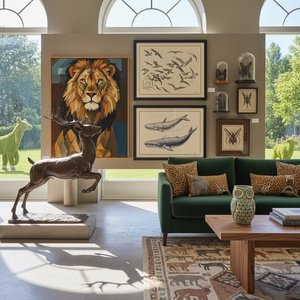
生命空間に息吹を吹き込む:芸術における動物表現の永続性と内装デザインへの応用
OriginalUniqueArtで、生命空間に息吹を吹き込む芸術作品を見つけませんか?高品質な油絵複製、カスタム制作、無料アートコンサルテーション。美術史に基づいた確かな品質と、お客様だけの特別な空間演出をお手伝いします。

Bronze Sculptures That Defined Art History | OriginalUniqueArt
Journey through art history with our Top 10 bronze sculptures! Explore masterpieces by Rodin, Michelangelo & more. Discover stories behind iconic statues and find museum-quality reproductions for your home decor at OriginalUniqueArt.com.

