

 設置イメージを確認
 送る
送る シェア
シェア
 詳細情報
詳細情報 ガイドを表示

 画像をダウンロード
 似ている作品
 X線調査
X線調査 スライドショー
 統計情報
統計情報The Butcher
 Acrylic On Canvas
- WallArt
- Baroque Painting
 1580
1580 59.0 x 71.0 cm
 Kimbell Art Museum
 続きを読む
続きを読む
手描き油彩複製画
当社のアーティストが、お客様のご希望のサイズと額縁に合わせて、キャンバスに手描きで制作する油彩画です。 ( プリント版に切り替え デジタル画像販売へ切り替え)




P118B ¥10

P118H ¥10

P118W ¥10

P438Z ¥10

P508JH ¥12

P508YH ¥12

P805H ¥10

P805Z ¥10

P919BZ ¥10

P919G ¥10

P919XJ ¥10

P959ZH ¥10

P968JZ ¥12

W106C ¥8

W218G ¥10

W218JH ¥8

W218Y ¥10

W307PJ ¥10

W316G ¥10

W316PJ ¥8

W316Y ¥10

W398PJ ¥8

W4111J ¥10

W500HY ¥15

W500JH ¥15

W692G ¥12

W849H ¥8

W940BG ¥15

W953PJ ¥8




作品のオリジナル比率に合わせた、当店の規定サイズからお選びください。

フレームや壁のスペースに合わせて、ご希望の幅と高さを入力してください。本作品は手描きのため、異なる比率のサイズをご希望の場合、絵画の周囲を少し広げて描くか、あるいは端を少しカットして調整することが可能です。お客様のご要望に合わせます。制作を開始する前に、仕上がりを確認するためのデジタルモックアップをお送りいたします。このページに表示されている画像は完成品の実物ではなく、あくまでモックアップによるイメージです。
ご注文後、OriginalUniqueArt.com チームより詳細な指示をお送りするとともに、仕上がりイメージ(モックアップ)をご提供いたします。


 ガラスオプションは、110cm未満のサイズでのみご利用いただけます。

The Butcher
再現技法
複製画サイズ一覧
-


合計金額
¥ 47260
A Glimpse into the Heart of a Bolognese Trade: Annibale Carracci’s ‘The Butcher’
Annibale Carracci's “The Butcher,” painted around 1582, is more than just a depiction of a working scene; it’s a window into the social fabric and artistic ambitions of early Baroque Bologna. This captivating work, rendered in a limited palette of earthy tones, offers a remarkably honest portrayal of a commonplace profession – butchering – that challenged the prevailing Mannerist style with its direct observation of nature and emotional resonance. The painting, measuring 59 x 71 cm, immediately draws the viewer into a bustling workshop filled with men engaged in their craft, radiating an atmosphere both industrious and surprisingly dignified.
The scene is dominated by two figures, a central pair of men standing side-by-side. One, wielding a knife with practiced precision, and the other holding a cleaver, are deeply immersed in their task – preparing meat for sale or processing. Beyond them, a cast of supporting characters—apprentices, assistants, and perhaps even customers—adds to the dynamic energy of the space. Noticeably, Carracci’s treatment of light is masterful; shadows cascade across the floorboards and fall upon the wooden beams, lending an almost palpable sense of reality and depth to the composition. This attention to naturalism was a deliberate departure from the stylized, often artificial, hues favored by Mannerist painters.
The Birth of a Reform: Carracci’s Academy and its Influence
“The Butcher” exists within a pivotal moment in art history – the founding of the Carracci Academy by Annibale, his brother Agostino, and cousin Ludovico. This institution, established in Bologna around 1582, represented a radical shift away from the artistic conventions of the time. Inspired by the High Renaissance masters like Leonardo da Vinci and Raphael, but rejecting the overly ornate and emotionally detached style of Mannerism, the Academy championed direct observation of life as the foundation for artistic skill. Carracci’s own practice reflects this philosophy; he famously painted *on top* of earlier layers in “The Butcher’s Shop,” demonstrating a commitment to capturing fleeting moments and spontaneous gestures. This technique, combined with his deliberate use of earthy pigments – a stark contrast to the vibrant, often unnatural colors of Mannerism – created an image that felt remarkably immediate and truthful.
A Sympathetic Gaze: Beyond the Low-Life Subject
What distinguishes “The Butcher” from many earlier depictions of similar subjects is Carracci’s surprisingly sympathetic portrayal of his protagonists. Rather than presenting them as figures of low life or mere background detail, he imbues them with a sober and ceremonious demeanor, accentuated by their clean white aprons. This wasn't simply an artistic choice; it’s believed that Annibale, having familial connections to butchers himself, possessed intimate knowledge of the trade and sought to elevate its practitioners through his art. This gesture speaks volumes about Carracci’s humanist sensibilities – a desire to represent all members of society with dignity and respect.
Historical Context: From Bolognese Provincialism to Roman Grandeur
Following his formative years in Bologna, Annibale Carracci moved to Rome in 1594, where he served the powerful Farnese family. This move marked a significant shift in his artistic style, leading him toward a more grand and classicizing approach. He drew inspiration from antiquity, as well as the Renaissance masters of Venice and central Italy, synthesizing these influences into a distinctly personal vision. “The Butcher,” painted before this transition, offers a valuable glimpse into Carracci’s early development – a period characterized by a fervent dedication to naturalism and a rejection of artistic conventions. It stands as a testament to his ambition to revitalize Italian art through direct observation and emotional honesty.
よくあるご質問
アンニバーレ・カラッチ作「The Butcher」の活用方法や、おすすめの設置スペースについて教えてください。
アンニバーレ・カラッチ作「The Butcher」はStatementに最適で、Living Roomに飾るのが特におすすめです。用途と空間の組み合わせによって、複製画を飾るのにふさわしい場所をご提案します。
アンニバーレ・カラッチ作「The Butcher」は、どのような空間に飾るのがおすすめですか?
「The Butcher」の複製画は、Living Roomに美しく調和します。
アンニバーレ・カラッチ作「The Butcher」の複製画は、どのような用途に適していますか?
アンニバーレ・カラッチ作「The Butcher」の複製画は、Statementに最適です。作品の主題、情緒、そして色彩に基づいたおすすめの活用方法です。
アーティストについて
ボローニャのルネサンス:アンニーバレ・カラッチの誕生と初期
1560年11月3日、イタリアのボローニャで生まれたアンニーバレ・カラッチは、芸術一家に育まれました。彼の最初の訓練は、家族の工房で行われた可能性が高く、その後のキャリアを大きく変える基礎が築かれました。当時のボローニャは、知的かつ芸術的な活気に満ちた都市でしたが、ローマやヴェネツィアから発せられる潮流からはやや距離がありました。この地方色豊かな状況が、アンニーバレ、彼の兄弟のアゴスティーノ、そして従兄弟のルдовиコといった若い芸術家たちに、新たな道を切り開く強い願望を抱かせました。それは、高ルネサンスの巨匠たちを見つめながらも、より自然主義的なアプローチを取り入れ、イタリア美術を活性化させるという野心的な試みでした。
1582年、この志は*インカミナティ・アカデミア*(Accademia degli Incamminati)、当初は「熱望する者のアカデミア」として具体化しました。これは単なる工房ではありませんでした。芸術的革新のるつぼであり、厳格なデッサン練習、活発な議論、そして集団的な卓越性の追求のための空間でした。アカデミアの名前自体—「進歩者たち」—が彼らの意図を示していました。それは、マニエリスムの様式的な複雑さから脱却し、より地に足がついた、感情に訴えかける表現へと新たな道筋を描くことでした。インカミナティ・アカデミアはヨーロッパ各地のアートアカデミーのモデルとなり、観察に基づく訓練が芸術教育の基盤として重視されるようになりました。
様式と影響の融合:古典主義と自然主義の調和
カラッチの芸術的ビジョンは、決して孤立して生まれたものではありませんでした。過去の巨匠たちの遺産との深い関わりを通して、丹念に練り上げられたものでした。彼は多様な影響を統合する並外れた能力を持っており、伝統に根ざしながらも驚くほど独創的な様式を作り出しました。ラファエロやアンドレア・デル・サルトの作品に見られる明快な線と構成のバランスを高く評価し、その優雅さと調和を模倣しようと努めました。しかし同時に、ティツィアーノのようなヴェネツィア派画家たちが提唱する色彩と大気効果の力も認識し、自身の作品に鮮やかな輝きと感情的な深みを与えました。
Correggioの影響は特に深く、彼のダイナミックな構図とイリュージョニズム技法—特にフレスコ画に見られるもの—が顕著です。彼は単にこれらの巨匠たちを模倣していたのではなく、彼らの強みを吸収し、新たなものを創造していました。この折衷的な融合こそがボローニャ派の特徴となり、古典主義的理想と自然主義的観察の両方を重視するバロック美術の重要な流れとなりました。カラッチの天才は、一見矛盾するように見える要素を調和させ、知的厳密さと感情的な力強さを兼ね備えた作品を生み出す能力にありました。
ローマでの飛躍:ファルネーゼ宮殿と芸術的成功
ファルネーゼ宮殿の装飾依頼は、アンニーバレ・カラッチのキャリアにおける転換点となりました。この壮大なプロジェクト—神話を題材とした広大なフレスコ画サイクルの制作—は、彼に比類のない機会を与え、その芸術的才能を大舞台で披露し、名声を確立することを可能にしました。*バッカスとアリアドネの勝利*(Triumph of Bacchus and Ariadne)は、おそらく彼の傑作であり、イリュージョニズム技法、ダイナミックな構図、そして鮮やかな色彩が息を呑むほど表現されています。フレスコ画は絵画と現実の境界線を曖昧にし、観客を神話的な壮大さの世界へと引き込みます。
*愛の神々*(The Loves of the Gods)もファルネーゼ宮殿で制作され、古典主義的理想と鋭い観察力を組み合わせた神話と愛のテーマを探求しました。これらの作品は単なる装飾ではありませんでした。それは芸術が人間の精神を高め、自然界の美しさを祝う力を持つことを示す声明でした。ローマでの成功は彼の地位を確固たるものとし、数多くの依頼を受け、次世代の画家たちに影響を与えました。
遺産と歴史的意義
アンニーバレ・カラッチの芸術史への影響は計り知れません。彼は高ルネサンスとバロック時代を結びつける重要な役割を果たし、マニエリスムの様式的な複雑さから、よりダイナミックで感情を込めた美学へと移行しました。自然主義—解剖学的精度と心理的深みをもって人物を描くこと—を重視した彼の姿勢は、光と影の劇的な使い方でイタリア絵画に革命を起こしたカラヴァッジョのような画家たちの道を切り開きました。
カラッチとその同僚たちによって設立されたインカミナティ・アカデミアは、ヨーロッパ各地のアートアカデミーのモデルとなり、観察と古典主義的原則に基づいた芸術教育を推進しました。ファルネーゼ宮殿のフレスコ画はバロック様式のイリュージョニズムと芸術的壮大さの象徴として残り、その創造から何世紀も経った今でも畏敬の念と賞賛を集め続けています。カラッチとその家族—アンニーバレ、アゴスティーノ、そしてルдовиコ—の集団的な遺産は、深遠な革新性と永続的な影響力を持っており、ボローニャを芸術的創造の中心地として確立しました。
カラッチの作品は単なる技術的な熟練さだけではありませんでした。それは感情を伝え、物語を語り、人間の経験を祝うことについてでした。彼は美しさと意味の両方を兼ね備え、驚きと感動を呼び起こす芸術を生み出そうと努めました。彼の遺産は壮大な絵画だけでなく、彼が提唱した揺るぎない原則—観察へのコミットメント、伝統への敬意、そして世界を変える芸術の力—にも残っています。
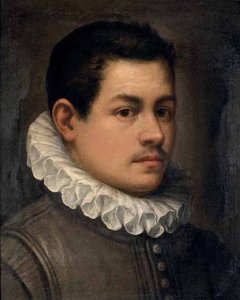
アンニバーレ・カラッチ
1560 - 1609 , イタリア
アーティスト情報
- Artistic Movement Or Style: バロック
- Artists Or Movements Influenced By This Artist:
- カラヴァッジョ
- ボローニャ派
- Artists Who Influenced This Artist:
- ラファエロ
- アンドレア・デル・サルト
- ティツィアーノ
- コレッジョ
- Date Of Birth: 1560年11月3日
- Date Of Death: 1609年7月15日
- Full Name: アンニバーレ・カラッチ
- Nationality: イタリア人
- Notable Artworks (List Of Titles):
- バッカスとアリアドネの勝利
- 神々の愛
- ガブリエリの肖像
- Place Of Birth (City And Country): イタリア、ボローニャ
関連記事

Italian Baroque Unlocked: High-Drama Art That Hits Hard
Dive into the high-drama world of Italian Baroque art. Discover how chiaroscuro, intense emotion, and theatrical lighting redefined aesthetics. Explore the visceral power of the Counter-Reformation through a modern lens with expert insights from OriginalUniqueArt.com.
Annibale Carracci: Bridging Renaissance Ideals & Baroque Innovation
Explore the life & art of Annibale Carracci, a pivotal figure bridging Renaissance ideals with Baroque innovation. Discover his masterpieces and lasting influence on Italian painting.

バロックのドラマ:現代のインテリアに壮麗さと情感を取り込む
バロック様式の歴史、絵画、家具の魅力をご紹介。OriginalUniqueArtでは、高品質な油絵複製やカスタムポートレートをご提供し、現代のインテリアに壮麗さと情感を取り入れます。アートコンサルテーションも承ります。
Simon Vouet: A Baroque Master's Journey from Italian Influence to French Classicism
Explore the life & art of Simon Vouet, a pivotal French Baroque painter who introduced Italian styles to France. Discover his masterpieces and lasting influence on 17th-century art.

バロック美術を極めた至宝:時代を彩る10大名作の世界
バロック美術の華!カラヴァッジョ、ベルニーニら巨匠が創り上げた10大名作を徹底解剖。ドラマチックな色彩と豪華絢爛の世界観に触れ、至宝のアートプリントで空間を彩ろう。OriginalUniqueArt.comで美術館品質の複製と洗練されたインテリアを見つけましょう!


