 プレビュー
プレビュー
 シェアする
シェアする シェアする
シェアする
 詳細を見る
詳細を見る

 ダウンロード
 似ている作品
 X線調査
X線調査 スライドショー
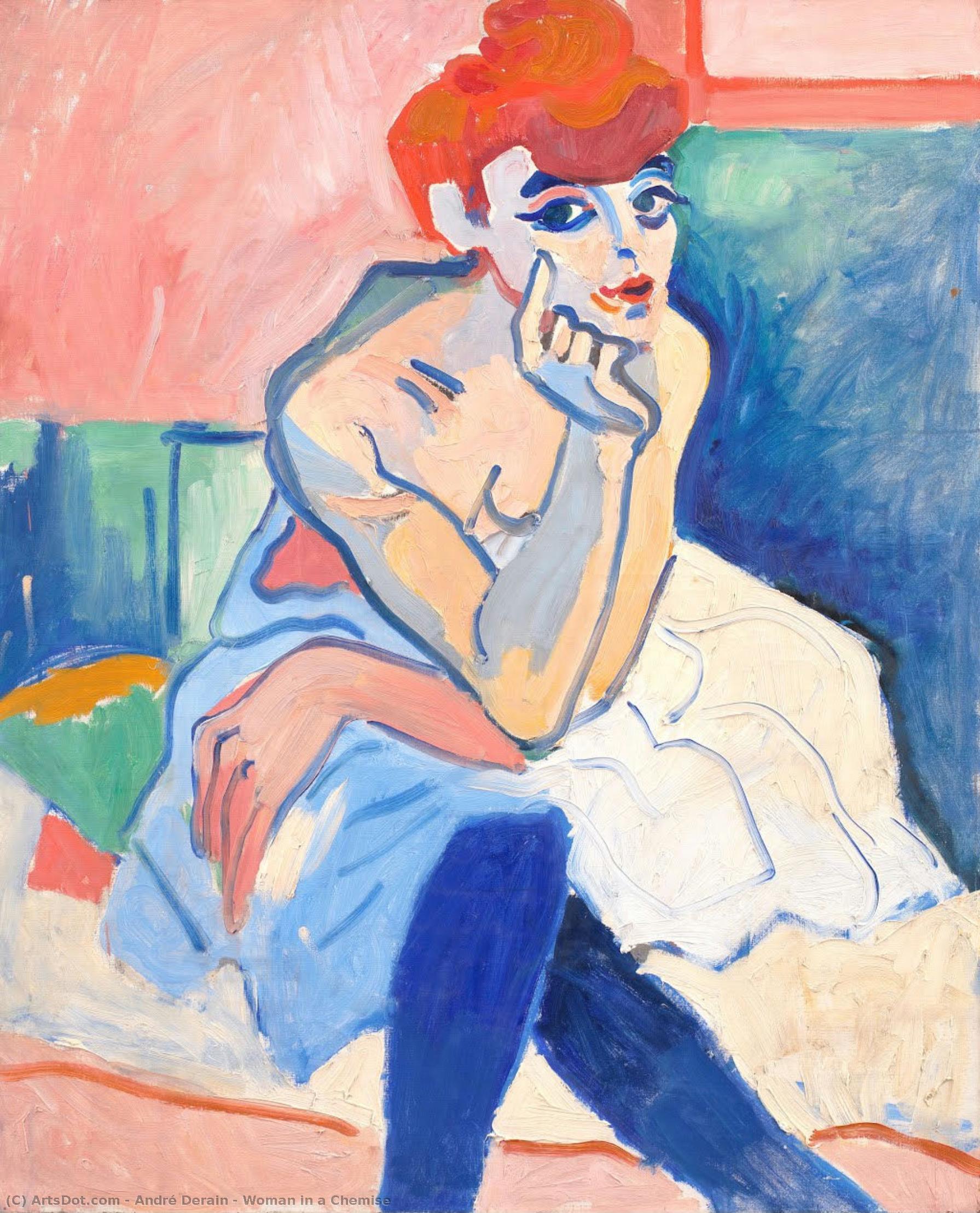
Woman in a Chemise
 Acrylic On Canvas
- WallArt
- Fauvism
 1906
1906- 19th Century
 100.0 x 81.0 cm
 National Gallery of Denmark
 詳細を見る
詳細を見る
ジークレー/アートプリント
迅速な制作と多彩な仕上げオプションを備えた、ミュージアムクオリティのジークレーまたはキャンバスプリント。 ( 手描きの絵画を購入 画像を購入)




P118B $10

P118H $10

P118W $10

P438Z $10

P508JH $12

P508YH $12

P805H $10

P805Z $10

P919BZ $10

P919G $10

P919XJ $10

P959ZH $10

P968JZ $12

W106C $8

W218G $10

W218JH $8

W218Y $10

W307PJ $10

W316G $10

W316PJ $8

W316Y $10

W398PJ $8

W4111J $10

W500HY $15

W500JH $15

W692G $12

W849H $8

W940BG $15

W953PJ $8




作品のオリジナル比率に合わせた、当店の規定サイズからお選びください。

特定のフレームやスペースに合わせて、ご自身でサイズを指定することも可能です。選択されたサイズが元の画像の比率と一致しない場合、作品をトリミングするか、鏡面反射または単色での塗りつぶしによって画像を拡張いたします。制作を開始する前に、ご確認用のデジタルモックアップをお送りいたします。
画面上のプレビューには、実際のトリミングや拡張は反映されませんのでご注意ください。最終的な構図を正確に確認できるのは、モックアップのみとなります。
カスタムサイズも承っておりますが、元の比率を維持するためには、あらかじめ用意されたリストからサイズを選択することをお勧めいたします。


 ガラスオプションは、110cm未満のサイズでのみご利用いただけます。

Woman in a Chemise
ジークレー/アートプリント
複製画のサイズ
-


合計金額
$ 80
作品詳細説明
The Genesis of Fauvism – A Parisian Portrait
André Derain's Woman in a Chemise, painted in 1906, isn’t merely a portrait; it’s a vibrant manifesto. Emerging from the heady atmosphere of early 20th-century Paris, this work stands as a pivotal moment in art history – the genesis of Fauvism. Born into a modest Chatou family, Derain's artistic journey began independently, fueled by a deep connection to nature fostered during childhood excursions with Father Jacomin and his sons. This early immersion instilled an appreciation for the natural world that would later inform his bold use of color. His encounter with Henri Matisse at the Académie Camillo proved transformative, setting in motion a collaborative spirit that would reshape the artistic landscape.
The painting’s creation coincided with a period of intense experimentation within the Parisian art scene. Artists were actively rejecting the constraints of academic tradition and seeking new ways to express themselves. Inspired by the works of Paul Gauguin, particularly his use of vibrant color in Tahiti, and influenced by the emerging theories of color perception championed by Chevreul, Derain and Matisse embarked on a radical exploration of chromatic intensity. This pursuit led them to abandon the conventional representation of reality in favor of pure, unadulterated color – a characteristic that would define Fauvism.
A Dancer’s Moment: Composition and Symbolism
The subject itself—a dancer from the cabaret Le Rat Mort (The Dead Rat)—was a common motif for artists like Toulouse-Lautrec, capturing the energy and allure of Parisian nightlife. However, Derain elevates this familiar scene through his masterful manipulation of composition and color. The figure is positioned centrally within a shallow space, her posture suggesting both languid repose and quiet contemplation. Her gaze, directed directly at the viewer, creates an immediate connection, inviting us into her private world.
The painting’s triangular structure provides a sense of stability amidst the explosion of color. The arrangement of the figure, the couch, and the chair establishes a dynamic balance, while simultaneously drawing our attention to the dancer's face and hands. Notably, Derain deliberately distorts the hand—a subtle yet powerful gesture that injects a sense of raw emotion and immediacy into the composition. This deliberate imperfection contrasts sharply with the idealized representations prevalent in academic art, signaling a rejection of traditional standards.
The Language of Color: Technique and Emotion
Derain’s technique is characterized by an unrestrained use of color—a hallmark of Fauvism. He eschewed naturalistic hues, opting instead for bold, arbitrary colors that were chosen solely for their expressive potential. The dominant blues and greens evoke a sense of coolness and mystery, while flashes of red and yellow inject energy and vitality into the scene. The application of paint is equally striking—loose, gestural brushstrokes create a shimmering surface texture, further enhancing the painting’s dynamism.
It's important to note that Derain wasn't simply applying color for its visual appeal; he was using it to convey emotion. The intense colors reflect the dancer’s inner state—her vulnerability, her sensuality, and perhaps even a hint of melancholy. The painting is not a literal depiction of a Parisian cabaret scene but rather an emotional response to it – a distillation of feeling rendered in pure color.
A Legacy of Boldness: Derain's Influence
Woman in a Chemise represents a pivotal moment in the development of modern art. It’s a testament to Derain’s artistic vision and his willingness to challenge conventional norms. His bold use of color, combined with his innovative composition and expressive technique, paved the way for subsequent movements such as Expressionism and Abstract Art. The painting's influence can be seen in the works of countless artists who followed, demonstrating its enduring legacy as a cornerstone of 20th-century art.
アーティストの略歴
幼少期とフォーヴィスムの萌芽
1880年、パリ近郊の魅力的な村シャトゥーで生まれたアンドレ・デランは、必ずしも絵筆とキャンバスに囲まれた生活を送る運命にあったわけではありません。ヴラマンクやマティスとの出会いによって即座に芸術的覚醒が促されたという通説とは異なり、デランは1895年頃から自発的に芸術の道を歩み始めました。初期の探求は、しばしばジャコバン神父とその息子たちとの田舎での遠足を通して行われ、自然界への深い感謝の念を育みました。彼は1898年にカミーユ・アカデミーで工学を学びましたが、そこで運命的にアンリ・マティスと出会い、重要な芸術的パートナーシップが始まりました。ウジェーヌ・カリエールのもとでのさらなる研究は彼の基礎的なスキルを磨き上げましたが、1901年から1904年までの兵役によって彼の芽生えたばかりのキャリアは一時中断されました。復帰後、マティスの揺るぎない信念に促され、デランは工学を断念し、完全に絵画に専念することを決意しました。この決意は転換点となり、彼を近代美術史上最も革新的な運動の一つの中核人物となる道へと導きました。色彩の爆発:フォーヴィスムの誕生
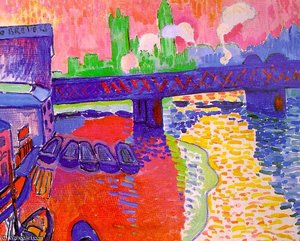
1905年の夏は、デランとマティスにとって、太陽が降り注ぐ沿岸の村コリウールで共同作業を行ったことで、劇的な瞬間となりました。「コリウールの山々」のような作品はこの時期に生まれ、従来の色彩表現からの大胆な逸脱を特徴としています。風景は単なる場所の描写ではなく、強烈で非現実的な色合いで表現された感情の表出でした。同年、彼らの作品が秋季サロンに出展されると、激しい反発と驚きを引き起こしました。批評家のルイ・ヴォーセルは彼らを「野獣たち」(Les Fauves)と呼びました—当初は軽蔑的な意味合いでしたが、最終的にはアーティスト自身によって受け入れられました。デランのこの運動への貢献は様式的であるだけでなく、彼は独自の能力で感情の強さを純粋な色彩に翻訳しました。1906年、アンブロワーズ・ヴォラールは彼にロンドンの絵を描くことを依頼し、テームズ川とタワーブリッジを描いた一連の印象的なキャンバスが生まれました。これらは従来の都市景観ではなく、型破りな視点を通してロンドンのエネルギーと雰囲気を捉えた大胆な解釈でした—デランの革新的なビジョンの証です。ゴッホやセザンヌなどの芸術家から影響を受け、彼は色彩と形態の境界線を押し広げ、未来の表現主義画家たちの基礎を築きました。フォーヴィスムを超えて:変化する美学
フォーヴィスムの初期の高揚は、デランの芸術的軌跡全体を定義したものではありませんでした。1907年頃から彼のスタイルは大きな進化を遂げ始め、抑制された色調へと移行し、形態への関心が高まりました。「ゴシック」期(1911-1914)と呼ばれるこの時期には、旧巨匠の研究に没頭し、キュビズムの要素を取り入れながらも古典的な形式からインスピレーションを得ました。これは彼の初期の作品を否定するものではなく、むしろ彼の芸術的語彙の拡大でした。デランの多才さは絵画を超えて広がりました。1919年、彼はセルゲイ・ディアギレフ率いるバレエ・リュスのために「ブティック・ファンタスク」の舞台美術を担当し、演劇デザインへの適性と多様な才能をさらに示しました。「ハルレキンとピエロ」や巨大な壁画「ユリシーズの帰還」などのこの時代の主要作品は、より抑制された知的厳格さをもって芸術制作に取り組むというスタイルの変化を例証しています。遺産と複雑性
アンドレ・デランは、近代絵画の流れを不可逆的に変えたフォーヴィスムの共同創始者としての地位を確立しました。彼の鮮やかなキャンバスに捉えられたロンドンのユニークなビジョンは、象徴的な都市に対する新たな視点を提供しました。第一次世界大戦後、彼は古典主義の復興への貢献で再び評価されましたが、その適応性と永続する芸術的関連性を示しています。しかし、デランの後年は論争に彩られました。第二次世界大戦中、ドイツでの彼の存在は批判を招き、戦後には一部の旧友から疎外されました。この影にもかかわらず、後世のアーティストへの影響は否定できません。彼は1954年に亡くなり、大胆な色彩と表現力豊かな筆致だけでなく、絶えず自己に挑戦し、新たな表現の道を探求し、近代美術の風景に消えない足跡を残した芸術家として記憶されています。彼の遺産は単なる色彩と筆致の力強さではなく、変化する世界を航海しながら創造的な真実を追求し続けた芸術家の物語なのです。 彼は芸術的革新の力と、単一のスタイルに固執するのではなく、複雑な本質を体現しています。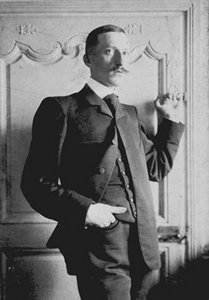
アンドレ・デラン
1880 - 1954 , フランス
基本情報
- Artistic Movement Or Style: フォーヴィスム, キュビズム
- Artists Or Movements Influenced By This Artist:
- マティス
- キュビズム
- Artists Who Influenced This Artist:
- ゴッホ
- セザンヌ
- Date Of Birth: 1880年6月10日
- Date Of Death: 1954年9月8日
- Full Name: アンドレ・デラン
- Nationality: フランス人
- Notable Artworks:
- コリウールの山々
- アルレキンとピエロ
- お茶のカップ
- ロンドン絵画
- Place Of Birth: シャトゥ、フランス
関連記事
André Derain: Fauvism's Bold Visionary & the Evolution of Modern Color
Explore the revolutionary art of André Derain, co-founder of Fauvism. Discover his bold use of color, evolution from radical expressionism to classicism, and lasting influence on modern art history. Learn more at OriginalUniqueArt.
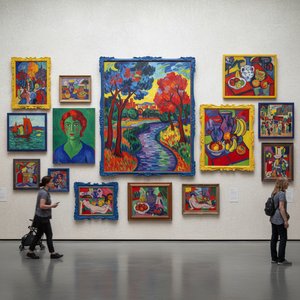
至福の色彩が彩る:フォーヴィズムを定義づけた10大名作
鮮烈な色彩が時代を席巻!フォーヴィズムを代表する10大名作を徹底解剖。マティスら巨匠の技と情熱に触れ、アートの新たな世界を発見。OriginalUniqueArt.comで至高の美術館級レプリカと洗練されたインテリアアイデアを見つけよう。
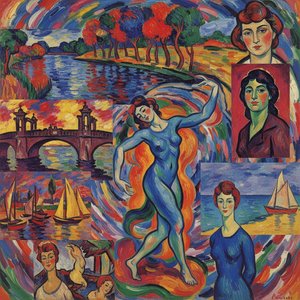
Fauvism's Boldest Visions: 10 Masterpieces That Revolutionized Modern Art | OriginalUniqueArt
Explore 10 Fauvist masterpieces by Matisse, Derain & Vlaminck that ignited Modern Art! Discover bold colors, expressionist landscapes & the history of this revolutionary movement. Find museum-quality prints at OriginalUniqueArt.com.

The Raw Emotion of Color: Exploring Fauvism's Revolutionary Expression
Explore the revolutionary world of Fauvism! Discover the bold colors & expressive power of Matisse, Derain & Vlaminck. Learn about this pivotal art movement's history and lasting impact on modern painting.
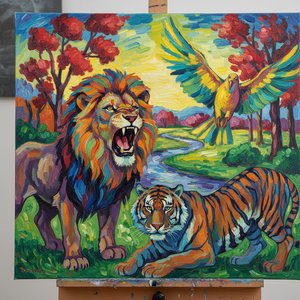
Wild Colors & Bold Strokes: A Definitive Guide to the Primal Magic of Fauvism
Explore the vibrant world of Fauvism with our expert guide. Discover how Matisse and Derain revolutionized art through bold colors and expressive strokes. Perfect for classic art enthusiasts seeking to deepen their passion for modern masterpieces.