

 プレビュー
プレビュー
 シェアする
シェアする シェアする
シェアする
 詳細を見る
詳細を見る

 ダウンロード
 似ている作品
 X線調査
X線調査 スライドショー
 統計情報
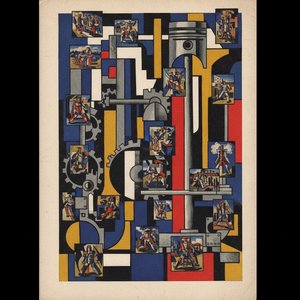
統計情報Untitled
 Oil On Canvas
- WallArt
- Cubism
 1913
1913- Modern
 28.0 x 34.0 cm
 Centro de Arte Moderna Gulbenkian
 詳細を見る
詳細を見る
手描き油彩複製画
当社のアーティストが、お客様のご希望のサイズと額縁に合わせて、キャンバスに手描きで制作する油彩画です。 ( プリント版に切り替え デジタル画像販売へ切り替え)




P118B $10

P118H $10

P118W $10

P438Z $10

P508JH $12

P508YH $12

P805H $10

P805Z $10

P919BZ $10

P919G $10

P919XJ $10

P959ZH $10

P968JZ $12

W106C $8

W218G $10

W218JH $8

W218Y $10

W307PJ $10

W316G $10

W316PJ $8

W316Y $10

W398PJ $8

W4111J $10

W500HY $15

W500JH $15

W692G $12

W849H $8

W940BG $15

W953PJ $8




作品のオリジナル比率に合わせた、当店の規定サイズからお選びください。

特定のフレームやスペースに合わせて、ご希望のサイズをご入力いただけます。選択されたサイズが元の画像の比率と異なる場合、アートワークをトリミングするか、手描きで要素を追加して絵画を拡張いたします。デジタルモックアップ を制作し、制作開始前にご確認(承認)をいただきます。
画面上のプレビューは、実際のトリミングや拡張を正確に反映しているものではありません。最終的な構図は、モックアップによってのみ正確にご確認いただけます。
カスタムサイズもご利用いただけますが、元の比率を維持するためには、あらかじめ用意されたリストからサイズを選択することをお勧めいたします。
ご注文後、OriginalUniqueArt.com チームより詳細な指示をお送りするとともに、仕上がりイメージ(モックアップ)をご提供いたします。


 ガラスオプションは、110cm未満のサイズでのみご利用いただけます。

Untitled
複製技法
複製画のサイズ
-


合計金額
$ 300
A Symphony of Geometry: The Radiant Vision of Amadeo de Souza-Cardoso
In the early tremors of the twentieth century, as the old world began to fracture under the weight of modernity, a new visual language was being whispered in the studios of Paris and the quiet corners of Portugal. At the heart of this revolution stood Amadeo de Souza-Cardoso, a luminary of Portuguese Modernism whose brief but incandescent career acted as a bridge between tradition and the avant-garde. His 1913 masterpiece, “Untitled,” serves as a breathtaking testament to this era of transition. It is not merely an arrangement of shapes, but a rhythmic dance of form and color that captures the very pulse of a world in motion. To gaze upon this work is to witness the moment where Cubist structure meets Expressionist soul, creating a composition that feels both mathematically precise and emotionally boundless.
The painting’s architecture is built upon a captivating geometric choreography. A dominant central circle acts as the piece's gravitational anchor, embodying a sense of wholeness and spiritual unity. This primary orb is surrounded by a constellation of smaller circles, meticulously placed to generate an intricate, pulsating pattern that draws the eye into a continuous loop of discovery. To disrupt this circular harmony, Souza-Cardoso introduced sharp, angular triangles on the periphery—one anchoring the left and another balancing the right. These triangular interventions create a sophisticated visual tension, a dialogue between the soft, infinite nature of the circle and the aggressive, directional energy of the triangle. For the discerning collector or interior designer, this balance offers a unique versatility; it possesses enough structural rigor to ground a modern space, yet enough fluid movement to breathe life into a minimalist setting.
Technique and the Palette of Emotion
Beyond its formal arrangement, “Untitled” is a masterclass in the expressive potential of oil on canvas. Souza-Cardoso utilized a technique of layering and subtle blending that allows light to seem as though it is emanating from within the pigment itself. The color palette is a bold, evocative choice: deep, nocturnal blues are set against vibrant, fiery reds. These are not merely decorative hues; they represent the duality of the human experience—the calm of contemplation versus the heat of passion. The way these colors interact at the edges of the geometric forms creates a luminous depth, defying the inherent flatness of abstract shapes. This interplay of light and saturated color ensures that the artwork remains visually arresting from every angle, making it an ideal centerpiece for those seeking to evoke a sense of sophisticated drama.
Historically, this work sits at the crossroads of the most influential movements of the 1910s. Having been deeply moved by the radical shifts occurring in Paris, Souza-Cardoso integrated the fragmented perspectives of Cubism with the raw, emotive power of Expressionism. In “Untitled,” we see the artist rejecting the literal representation of the world in favor of a more profound truth: that energy, shape, and color can communicate what words cannot. For anyone looking to curate a collection of high-quality reproductions, this piece offers more than just aesthetic beauty; it offers a connection to the very dawn of modern thought, providing an enduring sense of intellectual and emotional inspiration for any curated environment.
アーティストの略歴
ポルトガル・モダニズムの先駆者:アメデオ・デ・ソウザ=カルドゥーゾの生涯と芸術
アメデオ・デ・ソウザ=カルドゥーゾ。その名は、20世紀初頭の活気に満ちたモダニズムのエネルギーを想起させます。彼はポルトガル美術を国際的な前衛運動へと繋ぐ上で重要な役割を果たしましたが、その人物像は依然として謎に包まれています。1887年11月14日、ポルトガルのアマランテ地方にあるマンウフェという絵のように美しい教区で生まれた彼は、短いながらも強烈な創造性にあふれた人生を送り、揺るぎない芸術への献身と革新的な精神を持ち続けました。故郷の田園風景に根ざした控えめな生い立ちから、ソウザ=カルドゥーゾはパリ・モダニズムの中心へと旅立ち、モディリアーニ、ブルンキュシ、ドラローネ、グリスといった当時の最も影響力のある芸術家たちと交流を深めます。彼の初期教育はリスボンでの建築研究から始まりましたが、風刺画の表現力が真に彼の想像力を捉え、芸術探求への道を歩み始めました。この最初の芸術への取り組みは単なる技術訓練ではなく、自己表現の手段としての視覚言語の可能性への目覚めでした。パリでの出会いと芸術的発展
1906年、ソウザ=カルドゥーゾにとって転換期が訪れます。彼はパリに移り住み、都市の活気あふれる芸術界に没頭します。当初は建築研究を続けましたが、すぐに絵画へと傾倒し、美術界を揺るがす革新的な思想を吸収していきます。1910年頃から彼の作品にはキュビズムと未来派の影響が顕著になり、ポルトガル初の真のモダニスト画家としての地位を確立します。しかし、ソウザ=カルドゥーゾはこれらの運動を単に模倣するのではなく、自身のユニークな感性と融合させ、大胆なフォルム、鮮やかな色彩、ダイナミックな構成を特徴とする独自のスタイルを創造しました。彼の絵画は現実の再現ではなく、知覚、感情、そしてフォルムそのものの本質を探求するものでした。1911年の *Saut du Lapin* や 1913年の *Cabeça* はこの時期を代表する作品であり、断片化された視点や高められた色彩の強さによる実験性を示しています。これらは混沌とした配置ではなく、表面上のランダム性の下にある意図的な芸術的ビジョンを明らかにする、注意深くバランスの取れた構造でした。彼はサロン・デ・インデペンダンなどの重要な展覧会に参加し、特に1913年のニューヨークで開催された画期的なアーモリー・ショーでは、革新的な作品を国際的な観客に紹介することに成功します。ポルトガルとパリの融合:影響の総合
ソウザ=カルドゥーゾの芸術的旅は、故郷のポルトガルとの完全な決別ではありませんでした。彼はアヴァンギャルド精神を受け入れながらも、マンウフェへの強い繋がりを維持し、頻繁に帰国していました。この二面性は彼の作品に反映されており、ポルトガルの文化から取り入れられたテーマやモチーフ—宗教的な行列、田園風景、民俗伝統—がモダニストの技法と織り交ぜられています。1917年に制作された *Entrada* や *Pintura* は、ポルトガルとの関係を新たにした時期に生まれた作品であり、抽象化への傾向が高まっている一方で、独特のポルトガルの風味を色濃く残しています。この異質な影響を調和させる能力は彼の芸術的天才の特徴でした。彼は単にスタイルを取り入れているのではなく、それらを変換し、自身のユニークな視点を吹き込み、全く新しいものを創造していたのです。彼の作品は文化間の対話であり、地理的境界を超越する芸術の力を証明しています。遺産と記憶:永続的な影響
悲劇的に、アメデオ・デ・ソウザ=カルドゥーゾの有望なキャリアは、1918年10月25日、わずか30歳でその幕を閉じます。彼はスペイン風邪の大流行により肺炎に倒れ、比較的少ないながらも非常にインパクトのある作品群を残しました。長年にわたり、彼の功績は他のモダニスト運動の著名な人物たちによって見過ごされていましたが、近年、ポルトガル・モダニズムの先駆者として、そしてより広範なヨーロッパのアヴァンギャルドにおける重要な声としての彼の重要性が再認識されています。1958年と2016年のグラン・パレで開催された二つの大規模な回顧展は、彼の作品をより多くの観客に紹介し、美術史における彼の地位を確固たるものにしました。今日、彼の絵画はプリマス市美術館など世界中の美術館で見ることができます。彼の遺産は現代の芸術家たちにインスピレーションを与え続け、芸術的革新の力と文化交流の永続的な重要性を思い出させています。ソウザ=カルドゥーゾ作品の主な特徴
- 革新的なスタイル: キュビズム、未来派、そして彼自身のユニークな感性が融合した、ポルトガル現代美術への先駆的なアプローチ。
- 鮮やかな色彩パレット: ダイナミックで感情豊かな構成を生み出す、攻撃的かつ鮮やかな色彩の使用が特徴です。
- ダイナミックな構成: 断片化された視点や一見混沌とした配置を頻繁に用い、実際には注意深くバランスの取れた構造となっています。
- 文化の統合: ポルトガルのテーマやモチーフとモダニストの技法を統合するユニークな能力により、文化間の対話を生み出しています。
- 初期の抽象化: 特に後期の作品において抽象化を探求し、具象美術の境界線を押し広げています。

アメデオ・デ・ソウザ=カルドゥーゾ
1887 - 1918 , ポルトガル
基本情報
- Artistic Movement Or Style: キュビズム、未来派、モダニズム
- Artists Who Influenced This Artist:
- モディリアーニ
- ブルヌシ
- ドラローニャ
- Date Of Birth: 1887年11月14日
- Date Of Death: 1918年10月25日
- Full Name: アメデオ・デ・ソウザ=カルドゥーゾ
- Nationality: ポルトガル人
- Notable Artworks (List Of Titles):
- サウト・デュ・ラパン
- カベッサ
- エントラーダ
- ピントゥーラ
- Place Of Birth (City And Country): マンウフェ、ポルトガル
関連記事
フェルナン・レジェ傑作25選:機械美と色彩の革新 | OriginalUniqueArt
フェルナン・レジェの傑作25選。機械美と色彩が織りなすキュビズムの世界を紐解きます。OriginalUniqueArtで、フランス絵画の巨匠レジェの作品を高精細プリントで。インテリアアートやギフトにも最適です。全コレクションはこちら: OriginalUniqueArt.com

抽象表現主義を定義する十大傑作:芸術と装飾の深遠な旅
抽象表現主義を定義する10の傑作。ポロック、ロスコら巨匠たちの情熱と色彩の世界へ。各作品に込められた物語と技法を紐解き、至高のアート体験を。OriginalUniqueArt.comで、ミュージアムクオリティの複製画や洗練されたインテリアアイデアを発見してください。

幾何学的抽象絵画を定義した傑作10選|アート、アーティスト、インテリア装飾
モンドリアン、マレーヴィチ…幾何学的抽象絵画を代表する傑作10選。各作品の背景や色彩構成、アーティストの情熱に迫ります。美術館品質の複製画はOriginalUniqueArt.comで。オンラインでアートコレクションをご覧ください。

Slate Blue Masterpieces: 10 Iconic Paintings & Timeless Home Decor Ideas
Immerse yourself in the captivating world of slate blue! Explore 10 iconic paintings by Monet, Van Gogh & Renoir. Discover their stories, techniques & find museum-quality art reproductions for your home at .

Kandinsky's Masterpieces: 25 Paintings That Define Abstract Art | OriginalUniqueArt
Journey through Wassily Kandinsky's 25 most iconic abstract paintings. Explore his revolutionary use of color, form & spiritual expressionism. Find museum-quality Kandinsky reproductions and elevate your home decor with OriginalUniqueArt.com. Discover all masterpieces on OriginalUniqueArt.com!


