
 プレビュー
プレビュー
 プリントを購入
 シェアする
シェアする シェアする
シェアする
 詳細を見る
詳細を見る

 ダウンロード
 似ている作品
 X線調査
X線調査 スライドショー
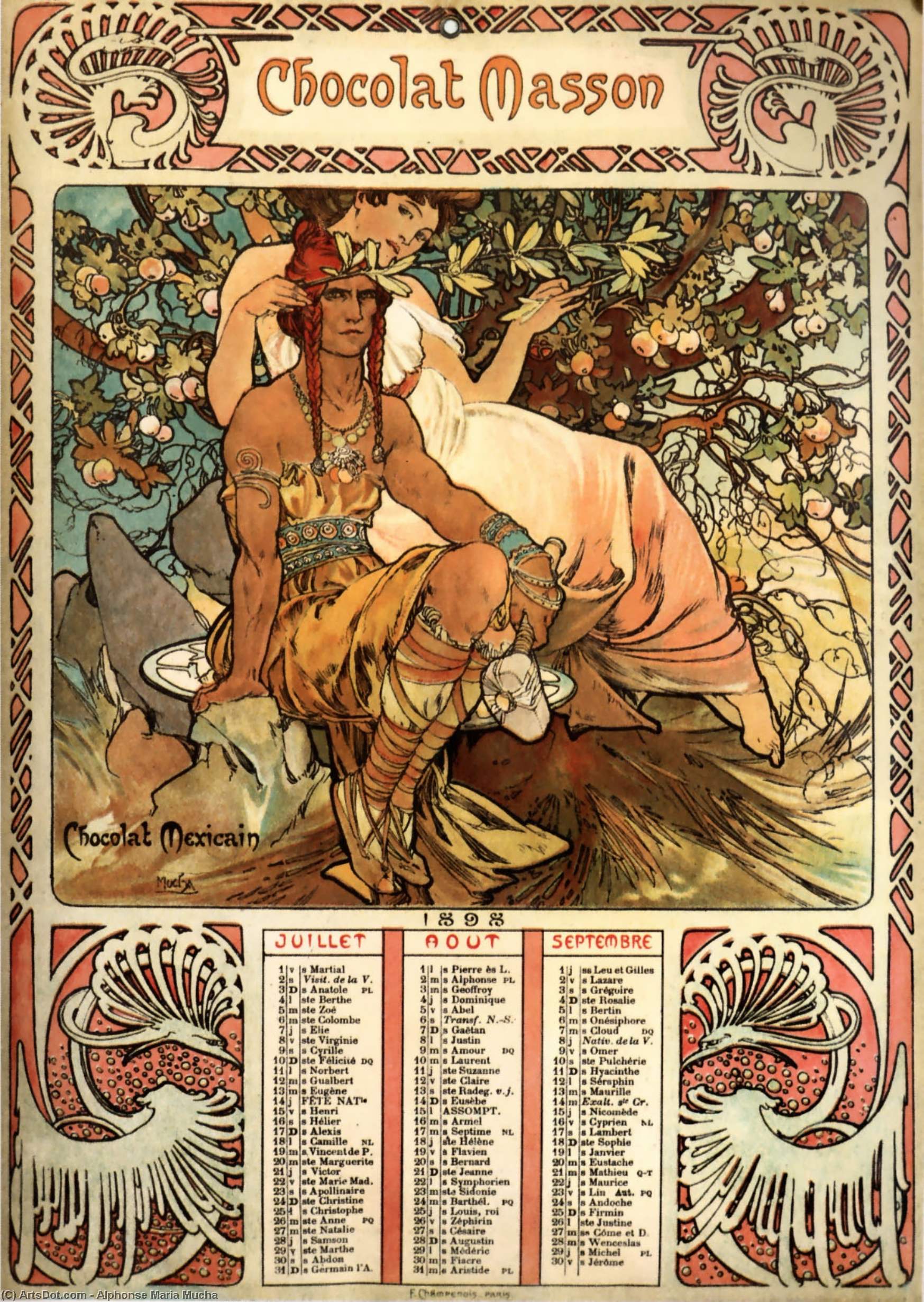
Manhood calendar
 Acrylic On Canvas
- WallArt
- Art Nouveau
 1897
1897 22.0 x 30.0 cm
 詳細を見る
詳細を見る




P118B $10

P118H $10

P118W $10

P438Z $10

P508JH $12

P508YH $12

P805H $10

P805Z $10

P919BZ $10

P919G $10

P919XJ $10

P959ZH $10

P968JZ $12

W106C $8

W218G $10

W218JH $8

W218Y $10

W307PJ $10

W316G $10

W316PJ $8

W316Y $10

W398PJ $8

W4111J $10

W500HY $15

W500JH $15

W692G $12

W849H $8

W940BG $15

W953PJ $8




作品のオリジナル比率に合わせた、当店の規定サイズからお選びください。

特定のフレームやスペースに合わせて、ご希望のサイズをご入力いただけます。選択されたサイズが元の画像の比率と異なる場合、アートワークをトリミングするか、手描きで要素を追加して絵画を拡張いたします。デジタルモックアップ を制作し、制作開始前にご確認(承認)をいただきます。
画面上のプレビューは、実際のトリミングや拡張を正確に反映しているものではありません。最終的な構図は、モックアップによってのみ正確にご確認いただけます。
カスタムサイズもご利用いただけますが、元の比率を維持するためには、あらかじめ用意されたリストからサイズを選択することをお勧めいたします。
ご注文後、OriginalUniqueArt.com チームより詳細な指示をお送りするとともに、仕上がりイメージ(モックアップ)をご提供いたします。


 ガラスオプションは、110cm未満のサイズでのみご利用いただけます。

Manhood calendar
複製技法
複製画のサイズ
-


合計金額
$ 300
作品解説
A Moment Under Bloom: Alphonse Maria Mucha’s Manhood Calendar
The Art Nouveau movement, with its embrace of organic forms and flowing lines inspired by nature—particularly the blossoming beauty of springtime—provided Alphonse Maria Mucha with a fertile canvas for his artistic vision. Created in 1897, Mucha's “Manhood Calendar” isn’t merely a decorative print; it’s a carefully constructed tableau designed to communicate profound ideas about human connection and the cyclical rhythms of life itself. Examining this iconic artwork reveals layers of symbolism interwoven with masterful technique—a testament to Mucha’s enduring legacy as one of Art Nouveau's foremost practitioners.The Artistic Vision: Embracing Organic Flow
Mucha’s stylistic choices immediately establish the calendar’s mood and intention. Departing from academic conventions, he prioritized expressive lines that mimic the undulating curves of branches laden with fruit—a deliberate reference to the natural world and its regenerative power. The composition is asymmetrical, guiding the viewer's eye across the scene, fostering a sense of movement and dynamism. Color palettes are muted yet harmonious, dominated by greens and browns punctuated by splashes of crimson representing ripeness and vitality. Mucha’s meticulous attention to detail—from the delicate rendering of petals to the subtle shading on the tree trunk—underscores his commitment to capturing the essence of Art Nouveau's aesthetic ideals. He drew inspiration from artists like Pierre-Auguste Renoir, whose Impressionistic brushstrokes sought to convey fleeting moments of beauty and emotion.Symbolism Rooted in Nature’s Cycle
The central figures—a man and a woman seated beneath an apple tree—represent more than just a romantic pairing; they embody the harmonious relationship between humanity and nature. The apples scattered throughout the scene serve as potent symbols of abundance, wisdom, and perhaps even temptation – mirroring the biblical tale of Adam and Eve. Their relaxed posture conveys serenity and contentment, suggesting that true fulfillment lies in embracing simplicity and appreciating the beauty surrounding us. Furthermore, Mucha’s use of Art Nouveau motifs—such as stylized floral patterns—reinforces the overarching theme of organic growth and renewal. These elements aren't simply decorative; they actively contribute to conveying a deeper message about the interconnectedness of all living things.Technique: Precision Meets Impressionistic Sensitivity
Mucha employed a technique that blends meticulous realism with Impressionistic sensitivity. He began by sketching a detailed preparatory drawing, capturing the precise proportions and contours of the tree and figures. Subsequent layers of watercolor and gouache were applied to build up tonal values and create depth—a process that allowed him to achieve both accuracy and expressive color effects. The artist skillfully manipulated light and shadow to heighten the drama of the scene and evoke a palpable atmosphere of tranquility. This careful blending of approaches exemplifies Mucha’s artistic philosophy: striving for technical excellence while simultaneously prioritizing emotional resonance.A Timeless Reflection on Human Connection
“Manhood Calendar” transcends its decorative function, offering viewers a profound meditation on themes of love, harmony, and the enduring beauty of the natural world. Its visual language—characterized by flowing lines, vibrant colors, and evocative symbolism—continues to inspire artists and designers today. More than just an image frozen in time, it embodies Art Nouveau’s belief that art should elevate the human spirit and foster a deeper appreciation for the wonders of existence. Reproductions of this masterpiece allow collectors and enthusiasts alike to experience Mucha's artistic genius firsthand – preserving a moment under bloom for generations to come.アーティストの略歴
幼少期と教育
- 1860年7月15日、モラヴィア地方のイヴァニチツェ(現在のチェコ共和国)に生まれました。
- 幼い頃から芸術的な才能を示しました。
- プラハ美術アカデミーに入学しましたが、伝統的な手法に幻滅感を抱きました。
- 1887年にパリに移り住み、独自のスタイルを追求しました。
アール・ヌーヴォー様式と代表作
- 流れるような線、有機的なフォルム、躍動感を持つ独特のアール・ヌーヴォー様式で知られています。
- ピエール=オーギュスト・ルノワールやギュスターヴ・モローといった芸術家から影響を受けました。
- 代表作:
- スラヴの反乱 - 伝統的なチェコのモチーフとモダンなアール・ヌーヴォー要素を融合させた作品です。
- サロン・ド・サン
- ギュスターヴ・モローの『テスピオの娘たち』やピエロ・ドラツィオの『ゴベランの乱れ者たち』にインスパイアされた絵画。
- サー・ヒューバート・フォン・ヘルコマーの『亜麻を破る農夫たち』に基づいた挿絵。
- 流れるようなローブを身につけた理想化された女性を、豊かな花々に囲んで描くことがよくあります。
キャリアのハイライトと主要な依頼
- サラ・ベルナールとのコラボレーション: 1894年に『ジスムンダ』のポスターを制作し、女優サラ・ベルナールのためにポスターやデザインを手がけ、キャリアをスタートさせました。
- パリ万国博覧会(1900年): この博覧会でアール・ヌーヴォー様式が国際的に認められました。ボスニア・ヘルツェゴビナ館の装飾を担当し、オーストリア館にも協力しました。
- チャールズ・リチャード・クレーンからのパトロン: チャールズ・リチャード・クレーンの支援を受け、記念碑的なシリーズ『スラヴ叙事詩』(1912-30) を制作することができました。
- 独立後のチェコスロバキア: 新しいチェコスロバキアのために切手、紙幣、政府の文書をデザインしました。
影響と遺産
- チェコの芸術的伝統とヨーロッパ近代美術の影響を受けています。
- 彼のユニークなスタイルは、アール・ヌーヴォーやセセッション運動の次世代のアーティストへの道を開きました。
- エヴァ・プロコプツォヴァのような他のアーティストに影響を与えました。
- 彼の遺産は芸術作品を超えてデザインと美学にまで及びます。スラヴ叙事詩 は、チェコの国民的アイデンティティを表現する重要な役割を果たしました。
晩年と死
- 1906年にマルシュカ(マリー/マリア)ヒティロヴァと結婚しました。
- 娘のヤロスラヴァが生まれた1906年から1910年までアメリカを訪問しました。
- 1939年7月14日、チェコスロバキアのプラハで亡くなりました。

アルフォンス・ミュシャ
1860 - 1939 , チェコ共和国
基本情報
- Artistic Movement Or Style: アール・ヌーヴォー
- Artists Or Movements Influenced By This Artist: ['エヴァ・プロコプツォーヴァ']
- Artists Who Influenced This Artist:
- ピエール=オーギュスト・ルノワール
- ギュスターヴ・モロー
- Date Of Birth: 1860年7月15日
- Date Of Death: 1939年
- Full Name: アルフォンス・マリア・ミュシャ
- Nationality: チェコ人
- Notable Artworks (List Of Titles):
- スラヴの台頭
- サロン・ド・サン
- テスピオの娘たち
- Place Of Birth (City And Country): チェコ共和国、ブルノ
関連記事
Alphonse Mucha: A Comprehensive Exploration of Art Nouveau's Master of Decorative Symbolism
Explore the life & art of Alphonse Mucha, master of Art Nouveau! Discover his iconic posters, stunning illustrations, and the monumental Slav Epic. A comprehensive guide for collectors & enthusiasts.
The Elegance of Art Nouveau: Embracing Nature's Fluid Beauty and the Belle Époque Spirit
Discover the enchanting world of Art Nouveau. Explore the organic beauty, flowing lines, and Belle Époque elegance that defined an era of unparalleled craftsmanship and natural inspiration.
Timeless Elegance: A Curated Guide to the Flowing Beauty of Art Nouveau Masterpieces
Discover the enchanting world of Art Nouveau. Explore the flowing lines of Alphonse Mucha and learn how to integrate these timeless, organic masterpieces into your collection with expert guidance on fine art appreciation and preservation.
Elegant Art: 10 Masterpieces for a Refined Home |
Indulge in elegance with our Top 10 artworks! Explore masterpieces by Monet, Rembrandt & more. Discover timeless beauty, rich history & inspiring color palettes for your home decor. Find museum-quality art reproductions at .
アール・ヌーヴォーを彩る至宝:10の傑作が語る芸術と装飾の世界
アール・ヌーヴォーの魅力を再発見!ムンロ、ドレ、ガウディ…10の傑作が織りなす曲線美の世界。芸術と装飾が融合した至高のアートをOriginalUniqueArtで堪能し、お部屋に新たな彩りを。コレクションをオンラインで探索しましょう。

