

 プレビュー
プレビュー
 シェアする
シェアする シェアする
シェアする
 詳細を見る
詳細を見る

 ダウンロード
 似ている作品
 X線調査
X線調査 スライドショー
 統計情報
統計情報Dance

 詳細を見る
詳細を見る
手描き油彩複製画
当社のアーティストが、お客様のご希望のサイズと額縁に合わせて、キャンバスに手描きで制作する油彩画です。 ( プリント版に切り替え デジタル画像販売へ切り替え)




































作品のオリジナル比率に合わせた、当店の規定サイズからお選びください。

特定のフレームやスペースに合わせて、ご希望のサイズをご入力いただけます。選択されたサイズが元の画像の比率と異なる場合、アートワークをトリミングするか、手描きで要素を追加して絵画を拡張いたします。デジタルモックアップ を制作し、制作開始前にご確認(承認)をいただきます。
画面上のプレビューは、実際のトリミングや拡張を正確に反映しているものではありません。最終的な構図は、モックアップによってのみ正確にご確認いただけます。
カスタムサイズもご利用いただけますが、元の比率を維持するためには、あらかじめ用意されたリストからサイズを選択することをお勧めいたします。
ご注文後、OriginalUniqueArt.com チームより詳細な指示をお送りするとともに、仕上がりイメージ(モックアップ)をご提供いたします。


 ガラスオプションは、110cm未満のサイズでのみご利用いただけます。

Dance
複製技法
複製画のサイズ
-


合計金額
$ 300
A Dance Amongst Floral Echoes: Exploring Alphonse Mucha’s “The Slavonic Uprising”
Alphonse Maria Mucha stands as an undisputed icon of Art Nouveau, a movement that sought to transcend the rigid formalism of Victorian aesthetics and embrace organic beauty inspired by nature. His canvases pulsate with fluidity, adorned with intricate floral motifs and stylized figures—a visual language that continues to captivate audiences today. “The Slavonic Uprising,” completed in 1897, exemplifies Mucha’s mastery of this distinctive style and offers a profound glimpse into the artistic currents shaping late nineteenth-century Bohemia.Stylistic Flourishes: The Art Nouveau Aesthetic Embodied
Mucha's approach to painting wasn’t merely decorative; it was fundamentally expressive. He rejected academic conventions, prioritizing instead a dynamic interplay between line and color—elements that coalesce to convey emotion and movement. “The Slavonic Uprising” showcases this brilliantly. Thick, curving lines dominate the composition, delineating the female figure at its center and swirling around her like ribbons of silk. These lines aren’t simply outlines; they embody the spirit of rebellion and aspiration inherent in the uprising itself—a visual metaphor for the yearning for freedom that characterized Slavic nationalism during the period. The color palette is dominated by muted golds and creams, punctuated by splashes of crimson and violet—colors traditionally associated with courage and passion.Technique and Material: Lithograph Precision
The artwork’s remarkable detail and tonal subtlety are achieved through a masterful application of lithographic printing techniques. Mucha collaborated closely with printer Josef Králík to produce this stunning poster, ensuring that every nuance of his artistic vision was faithfully reproduced. Lithography allowed for the creation of multiple prints from a single stone etching—a process favored by Art Nouveau artists who valued both aesthetic beauty and accessibility. The resulting image possesses an ethereal quality, capturing the luminescence of candlelight and conveying a sense of timeless elegance. Careful consideration was given to paper selection; a textured stock was chosen to enhance the visual impact and contribute to the artwork’s tactile appeal.Historical Context: Nationalism and Artistic Innovation
“The Slavonic Uprising” emerged during a pivotal moment in Czech history—the Slavonic Uprising of 1897, an attempt to overthrow Austro-Hungarian rule and establish an independent Czechoslovak state. Mucha skillfully blended nationalist symbolism with the stylistic conventions of Art Nouveau, creating a visual manifesto for the movement’s ideals. The central figure represents idealized femininity—a symbol of Slavic virtue and resilience—while the surrounding floral elements evoke the rich cultural heritage of Bohemia. This juxtaposition underscores Mucha's belief that art could serve as a vehicle for social commentary and political engagement.Symbolic Resonance: Flowing Lines, Radiant Color
Beyond its historical significance, “The Slavonic Uprising” resonates with deeper symbolic meanings. The flowing lines represent the unstoppable force of aspiration and the transformative power of change—themes central to both Art Nouveau philosophy and Slavic nationalist sentiment. Similarly, the radiant color palette conveys optimism and vitality—affirming the belief that beauty could inspire courage and fortitude. Mucha’s deliberate use of visual metaphors elevates the artwork from mere decoration to a profound meditation on identity, freedom, and artistic expression.Emotional Impact: Elegance and Yearning
Ultimately, “The Slavonic Uprising” succeeds in evoking a powerful emotional response—one characterized by elegance, yearning, and an undeniable sense of wonder. The viewer is drawn into Mucha’s meticulously crafted world, where beauty reigns supreme and movement embodies the spirit of rebellion. It remains a testament to Mucha's artistic genius and a captivating exemplar of Art Nouveau’s enduring legacy.アーティストの略歴
幼少期と教育
- 1860年7月15日、モラヴィア地方のイヴァニチツェ(現在のチェコ共和国)に生まれました。
- 幼い頃から芸術的な才能を示しました。
- プラハ美術アカデミーに入学しましたが、伝統的な手法に幻滅感を抱きました。
- 1887年にパリに移り住み、独自のスタイルを追求しました。
アール・ヌーヴォー様式と代表作
- 流れるような線、有機的なフォルム、躍動感を持つ独特のアール・ヌーヴォー様式で知られています。
- ピエール=オーギュスト・ルノワールやギュスターヴ・モローといった芸術家から影響を受けました。
- 代表作:
- スラヴの反乱 - 伝統的なチェコのモチーフとモダンなアール・ヌーヴォー要素を融合させた作品です。
- サロン・ド・サン
- ギュスターヴ・モローの『テスピオの娘たち』やピエロ・ドラツィオの『ゴベランの乱れ者たち』にインスパイアされた絵画。
- サー・ヒューバート・フォン・ヘルコマーの『亜麻を破る農夫たち』に基づいた挿絵。
- 流れるようなローブを身につけた理想化された女性を、豊かな花々に囲んで描くことがよくあります。
キャリアのハイライトと主要な依頼
- サラ・ベルナールとのコラボレーション: 1894年に『ジスムンダ』のポスターを制作し、女優サラ・ベルナールのためにポスターやデザインを手がけ、キャリアをスタートさせました。
- パリ万国博覧会(1900年): この博覧会でアール・ヌーヴォー様式が国際的に認められました。ボスニア・ヘルツェゴビナ館の装飾を担当し、オーストリア館にも協力しました。
- チャールズ・リチャード・クレーンからのパトロン: チャールズ・リチャード・クレーンの支援を受け、記念碑的なシリーズ『スラヴ叙事詩』(1912-30) を制作することができました。
- 独立後のチェコスロバキア: 新しいチェコスロバキアのために切手、紙幣、政府の文書をデザインしました。
影響と遺産
- チェコの芸術的伝統とヨーロッパ近代美術の影響を受けています。
- 彼のユニークなスタイルは、アール・ヌーヴォーやセセッション運動の次世代のアーティストへの道を開きました。
- エヴァ・プロコプツォヴァのような他のアーティストに影響を与えました。
- 彼の遺産は芸術作品を超えてデザインと美学にまで及びます。スラヴ叙事詩 は、チェコの国民的アイデンティティを表現する重要な役割を果たしました。
晩年と死
- 1906年にマルシュカ(マリー/マリア)ヒティロヴァと結婚しました。
- 娘のヤロスラヴァが生まれた1906年から1910年までアメリカを訪問しました。
- 1939年7月14日、チェコスロバキアのプラハで亡くなりました。

アルフォンス・ミュシャ
1860 - 1939 , チェコ共和国
基本情報
- Artistic Movement Or Style: アール・ヌーヴォー
- Artists Or Movements Influenced By This Artist: ['エヴァ・プロコプツォーヴァ']
- Artists Who Influenced This Artist:
- ピエール=オーギュスト・ルノワール
- ギュスターヴ・モロー
- Date Of Birth: 1860年7月15日
- Date Of Death: 1939年
- Full Name: アルフォンス・マリア・ミュシャ
- Nationality: チェコ人
- Notable Artworks (List Of Titles):
- スラヴの台頭
- サロン・ド・サン
- テスピオの娘たち
- Place Of Birth (City And Country): チェコ共和国、ブルノ
関連記事
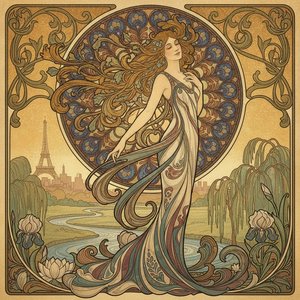
The Elegance of Art Nouveau: Embracing Nature's Fluid Beauty and the Belle Époque Spirit
Discover the enchanting world of Art Nouveau. Explore the organic beauty, flowing lines, and Belle Époque elegance that defined an era of unparalleled craftsmanship and natural inspiration.

The Enduring Power of Illustration: A Historical Survey of Narrative Art & Visual Storytelling
Explore the rich history of illustration! From ancient cave paintings to Art Nouveau masterpieces, discover how visual storytelling has shaped culture. Expert insights & stunning examples.
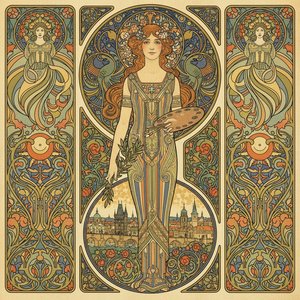
Alphonse Mucha: A Comprehensive Exploration of Art Nouveau's Master of Decorative Symbolism
Explore the life & art of Alphonse Mucha, master of Art Nouveau! Discover his iconic posters, stunning illustrations, and the monumental Slav Epic. A comprehensive guide for collectors & enthusiasts.
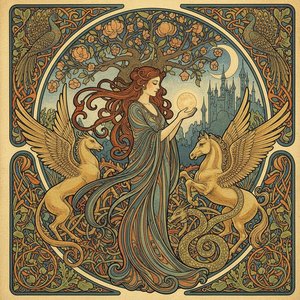
Edmund Dulac: A Master of Golden Age Illustration – Exploring Myth, Symbolism & Art Nouveau Legacy
Explore the captivating world of Edmund Dulac, a master of Golden Age illustration! Discover his enchanting fairy tales, Art Nouveau style, and lasting influence on art & design. Learn about *The Rubaiyat* and more.
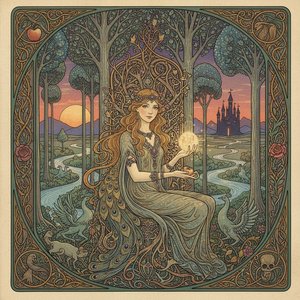
Kay Rasmus Nielsen: A Golden Age Illustrator's Enchanting Legacy of Symbolism & Narrative
Explore the captivating world of Kay Rasmus Nielsen, a celebrated Golden Age illustrator renowned for his Art Nouveau fairy tale art & Disney contributions. Discover his unique style, enduring legacy, and how to collect his enchanting works.