

 設置イメージを確認
 送る
送る シェア
シェア
 詳細情報
詳細情報 ガイドを表示

 画像をダウンロード
 似ている作品
 X線調査
X線調査 スライドショー
 統計情報
統計情報General interrogating a mobile guard, supporting an injured lieutenant


 続きを読む
続きを読む
手描き油彩複製画
当社のアーティストが、お客様のご希望のサイズと額縁に合わせて、キャンバスに手描きで制作する油彩画です。 ( プリント版に切り替え デジタル画像販売へ切り替え)




P118B ¥10

P118H ¥10

P118W ¥10

P438Z ¥10

P508JH ¥12

P508YH ¥12

P805H ¥10

P805Z ¥10

P919BZ ¥10

P919G ¥10

P919XJ ¥10

P959ZH ¥10

P968JZ ¥12

W106C ¥8

W218G ¥10

W218JH ¥8

W218Y ¥10

W307PJ ¥10

W316G ¥10

W316PJ ¥8

W316Y ¥10

W398PJ ¥8

W4111J ¥10

W500HY ¥15

W500JH ¥15

W692G ¥12

W849H ¥8

W940BG ¥15

W953PJ ¥8




作品のオリジナル比率に合わせた、当店の規定サイズからお選びください。

フレームや壁のスペースに合わせて、ご希望の幅と高さを入力してください。本作品は手描きのため、異なる比率のサイズをご希望の場合、絵画の周囲を少し広げて描くか、あるいは端を少しカットして調整することが可能です。お客様のご要望に合わせます。制作を開始する前に、仕上がりを確認するためのデジタルモックアップをお送りいたします。このページに表示されている画像は完成品の実物ではなく、あくまでモックアップによるイメージです。
ご注文後、OriginalUniqueArt.com チームより詳細な指示をお送りするとともに、仕上がりイメージ(モックアップ)をご提供いたします。


 ガラスオプションは、110cm未満のサイズでのみご利用いただけます。

General interrogating a mobile guard, supporting an injured lieutenant
再現技法
複製画サイズ一覧
-


合計金額
¥ 59075
A Frozen Moment of Command: Alphonse de Neuville’s “General Interrogating a Mobile Guard Supporting an Injured Lieutenant”
Alphonse de Neuville's "General Interrogating a Mobile Guard Supporting an Injured Lieutenant," painted in 1879, is more than just a depiction of a military scene; it’s a meticulously crafted tableau of tension, duty, and the lingering weight of conflict. The painting transports us to a bleak, snow-swept landscape – likely inspired by the aftermath of the Franco-Prussian War – where a seasoned general, radiating authority, engages in a serious conversation with a young lieutenant bearing the visible wounds of battle. The scene isn’t one of triumphant victory, but rather a quiet assessment amidst the ruins of war, a moment suspended between interrogation and judgment.
De Neuville's artistic lineage is deeply rooted in the Romantic tradition, particularly influenced by Eugène Delacroix’s dramatic use of color and composition. This influence manifests powerfully here through the carefully orchestrated arrangement of figures against the stark backdrop. The triangular structure, anchored by the central interaction between the general and the lieutenant, draws the viewer’s eye directly to this pivotal exchange. The horses, rendered with a remarkable sense of realism – their coats gleaming faintly beneath the overcast sky – contribute significantly to the painting's dynamic energy, suggesting movement and urgency even within the stillness of the scene.
A Palette of Winter: Color, Light, and Atmosphere
The color palette is deliberately restrained, dominated by a muted range of grays, whites, and browns that perfectly capture the harshness and desolation of the winter landscape. Subtle hints of warmer tones – in the uniforms of the officers and the horse coats – provide a delicate contrast, preventing the scene from becoming entirely bleak. De Neuville masterfully employs atmospheric perspective; distant figures are rendered with increasing softness and detail loss, creating an illusion of depth that anchors the viewer within this frozen world. The diffused lighting, characteristic of overcast days, casts a soft, even illumination across the canvas, eliminating strong shadows and contributing to the painting’s somber mood.
The Language of Line and Texture
De Neuville's technique is firmly rooted in academic painting, evident in his skillful rendering of form and detail. Visible brushstrokes – particularly prominent in the depiction of the snow-covered ground and the textures of clothing – add a tactile quality to the work, inviting the viewer to almost feel the cold wind and rough fabric. Lines are used strategically to define shapes and create a sense of realism, while also subtly conveying the tension within the scene. The musculature of the horses is particularly well-defined, adding to their powerful presence. The artist’s attention to detail extends to the subtle nuances of facial expressions – the general's stern gaze, the lieutenant’s wounded composure – revealing a profound understanding of human psychology.
Symbolism and Emotional Resonance
Beyond its realistic depiction of military life, “General Interrogating a Mobile Guard Supporting an Injured Lieutenant” is rich in symbolic meaning. The injured lieutenant represents sacrifice and loss—a tangible reminder of the brutal cost of war. The general’s questioning posture suggests responsibility, authority, and perhaps even regret. The scene evokes feelings of uncertainty, duty, and the lingering trauma of conflict. It's a poignant meditation on leadership, accountability, and the enduring consequences of violence. The painting doesn’t offer easy answers or heroic narratives; instead, it presents a complex and emotionally resonant portrait of a moment caught between action and reflection.
A Legacy in Oil: Materials and Historical Context
Created using traditional oil paints on canvas, this artwork stands as a testament to de Neuville's mastery of his medium. The choice of oil paint allowed for layering and blending, contributing to the painting’s rich textures and nuanced color palette. Painted during the late 19th century, it reflects the artistic and political climate of France following the Franco-Prussian War – a period marked by nationalistic fervor and a desire to commemorate military achievements. De Neuville's work served as both a historical record and a powerful expression of patriotic sentiment. The painting’s acquisition by the Musée de l’Armée in Paris underscores its significance within French art history.
よくあるご質問
アルフォンス・ド・ヌーヴィル作「General interrogating a mobile guard, supporting an injured lieutenant」に似た作品はどこで見つけることができますか?
アルフォンス・ド・ヌーヴィル作「General interrogating a mobile guard, supporting an injured lieutenant」に似た作品は、作品の似ている作品ページにまとめられています。
アルフォンス・ド・ヌーヴィル作「General interrogating a mobile guard, supporting an injured lieutenant」の色彩の彩度はどの程度ですか?
「General interrogating a mobile guard, supporting an injured lieutenant」のパレットは、彩度がMutedです。
アルフォンス・ド・ヌーヴィル作「General interrogating a mobile guard, supporting an injured lieutenant」は、絵画、デッサン、それとも版画のいずれでしょうか?
アルフォンス・ド・ヌーヴィル作「General interrogating a mobile guard, supporting an injured lieutenant」はWallArtに分類されます。このカテゴリーは、原画の作品形式を表しています。
アーティストについて
紛争の記録者:アルフォンス・ド・ヌヴィルの生涯と芸術
1835年、フランス北部のサン=オメールに生まれたアルフォンス=マリー=アドルフ・ド・ヌヴィルは、激動の19世紀を生き抜いた画家です。彼の短い生涯(49歳で終焉)は、帝国の野望、悲惨な戦争、そして芽生えつつある国民意識という時代背景の中で展開されました。当初は海軍への道を選びましたが、芸術への情熱が抑えきれず、パリのアトリエへと進みます。ヌヴィルはまずアカデミックな教育を受け、ロリアン海軍学校に短期間通った後、フランソワ=エドゥアール・ピコのもとで正式な訓練を開始しました。しかし、彼の芸術的ビジョンを真に形作ったのは、ダイナミックな構図と感情的な強烈さを特徴とするロマン主義の巨匠、ウジェーヌ・ドラクロワの影響でした。この師弟関係は、彼に劇的な物語への情熱と、歴史的出来事を説得力をもってキャンバスに翻訳する能力を植え付けました。戦争とイラストレーションを通じた名声の確立
ヌヴィルは、自らの時代を定義した紛争に深く関わる画家として頭角を現しました。彼は単に戦争を描いたのではなく、その現実の中に没頭し、自身が体験したこと(クリミア戦争での従軍を含む)を作品に反映させ、信憑性を高めました。このリアリズムへの献身と、紛争の人的コストをとらえる才能は、彼を名声へと押し上げました。初期の成功作には、クリミア戦争の戦いを描いた作品や、イタリアにおけるガリバルディの遠征のエピソードを描いた絵画が含まれます。しかし、ジュール・ヴェルヌとのコラボレーションを通じて、ヌヴィルはより幅広い認知を得ることになります。『海底二万里』のイラストは、ヴェルヌの幻想的な水中世界に視覚的な躍動感をもたらし、読者を魅了するとともに、歴史的正確さと想像力豊かな物語を両立させる多才なアーティストとしてのヌヴィルの評判を確立しました。これらのイラストはテキストへの単なる付随物ではなく、ヴェルヌの画期的な小説に対する大衆の認識を形成する上で不可欠な役割を果たしました。軍事的ナラティブの巨匠:主要作品と芸術様式
ヌヴィルの芸術的強みは、歴史的出来事を感情的に共鳴する物語へと変える能力にありました。彼の絵画は単なる戦いの記録ではなく、説得力のある登場人物と切迫感に満ちた、緻密に構成されたドラマでした。「バラクラヴァの突撃」(1860年)は、クリミア戦争における悲劇的な騎兵突撃を描いた作品であり、そのアプローチを如実に示しています。この絵画は戦争を美化するのではなく、交戦中に翻弄される兵士たちの勇気と無益さを伝えています。同様に、「パルマ・マジョールの防衛」(1875年)は、ズールー戦争における恐ろしいエピソードを描いており、ヌヴィルの劇的な構図の習熟と、近接戦闘の激しさを捉える能力を示しています。彼の様式は、制服や武器の細部への徹底的なこだわり、そして雰囲気を作り出し感情的なインパクトを高める光と影の巧みな使用を特徴としています。彼は壮大な寓意や理想化された英雄主義には関心がなく、むしろ兵士個人の経験—彼らの勇気、恐怖、苦しみ—に焦点を当てました。遺産と永続的な魅力
アルフォンス・ド・ヌヴィルの早すぎる死は、美術界から重要な才能を奪いました。しかし、彼の遺産は今日でも観客を魅了し続ける数多くの絵画を通して生き続けています。彼の作品は、サンクトペテルブルクのエルミタージュ美術館やニューヨークのメトロポリタン美術館など、名門コレクションに収蔵されており、その芸術的価値と歴史的重要性が証明されています。これらの機関での所蔵に加えて、ヌヴィルのアートは、19世紀の軍事史への関心の高まりと、過去の紛争の真実を描くことへの欲求によって支えられ、幅広い人気を博しています。今日では、OriginalUniqueArtやOriginalUniqueArtなどのプラットフォームを通じて入手可能な高品質な複製画により、アート愛好家はヌヴィルの傑作のドラマと歴史的深さを自らの住まいにもたらすことができます。彼の絵画は芸術的な業績であるだけでなく、戦争の人的コストと、戦いの中で戦った人々の不屈の精神を力強く思い出させるものです。影響と芸術的発展
- ウジェーヌ・ドラクロワ: ヌヴィルの様式に最も大きな影響を与えた人物であり、ドラマ性、感情的な強烈さ、そしてダイナミックな構図の感覚を彼に与えました。
- フランソワ=エドゥアール・ピコ: アカデミック絵画技術における初期の訓練と基礎スキルを提供しました。
- 個人的経験: フランコ・プロイセン戦争での従軍は、軍事生活と戦闘のリアリズムを描いた作品に直接影響を与えました。
- ジュール・ヴェルヌの文学: 『海底二万里』とのコラボレーションは、彼の芸術的範囲を広げ、より多くの読者に彼を紹介しました。
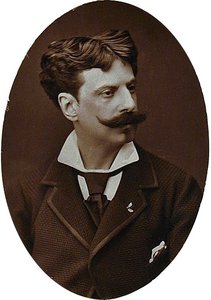
アルフォンス・ド・ヌーヴィル
1835 - 1885 , フランス
アーティスト情報
- Artistic Movement Or Style: アカデミック美術
- Artists Who Influenced This Artist:
- ウジェーヌ・ドラクロワ
- フランソワ=エドゥアール・ピコ
- Date Of Birth: 1835年
- Date Of Death: 1885年
- Full Name: アルフォンス・マリー=アドルフ・ド・ヌーヴィル
- Nationality: フランス人
- Notable Artworks (List Of Titles):
- 「軽騎兵の突撃」
- 「パルマ・マジョールの防衛戦」
- Place Of Birth (City And Country): サン=オメール、フランス
関連記事
Beyond the Fabric: Decoding Identity, Authority, and Symbolism in the Art of Military Uniforms
Explore the profound symbolism of military uniforms in art history. From Victorian portraits to realistic lithographs, discover how artists capture power, identity, and historical legacy through the intricate details of martial regalia and command.

ゴヤ傑作25選:スペインの魂を揺さぶる、深遠な芸術の世界 | OriginalUniqueArt
ゴヤ傑作25選:ロマン主義を代表するスペインの巨匠、フランシスコ・デ・ゴヤの世界へ。黒衣の女からマハまで、魂を揺さぶる絵画の物語と技法を紐解きます。OriginalUniqueArtで高品質なアートレプリカを見つけ、インテリアに深みと風格を。今すぐコレクションをご覧ください。

Willem de Kooning: Abstraction, Gesture & the Evolution of Post-War American Painting
Explore the evolution of Willem de Kooning's iconic Abstract Expressionist paintings. Discover his signature style, key themes & investment potential with expert insights for discerning art collectors.

About Us
Discover our story! We bring world-class art into your life through expert curation, personalized creations, and free previews. Trusted by individuals and businesses since 2000.

William Owen: A Poetic Vision of War & Landscape in British Modernism
Explore the poignant war poetry of Wilfred Owen, a key figure in British Modernism. Discover his innovative style, themes of loss & camaraderie, and lasting impact on 20th-century literature. Analysis & historical context included.