
 プレビュー
プレビュー
 プリントを購入
 シェアする
シェアする シェアする
シェアする
 詳細を見る
詳細を見る

 ダウンロード
 似ている作品
 X線調査
X線調査 スライドショー
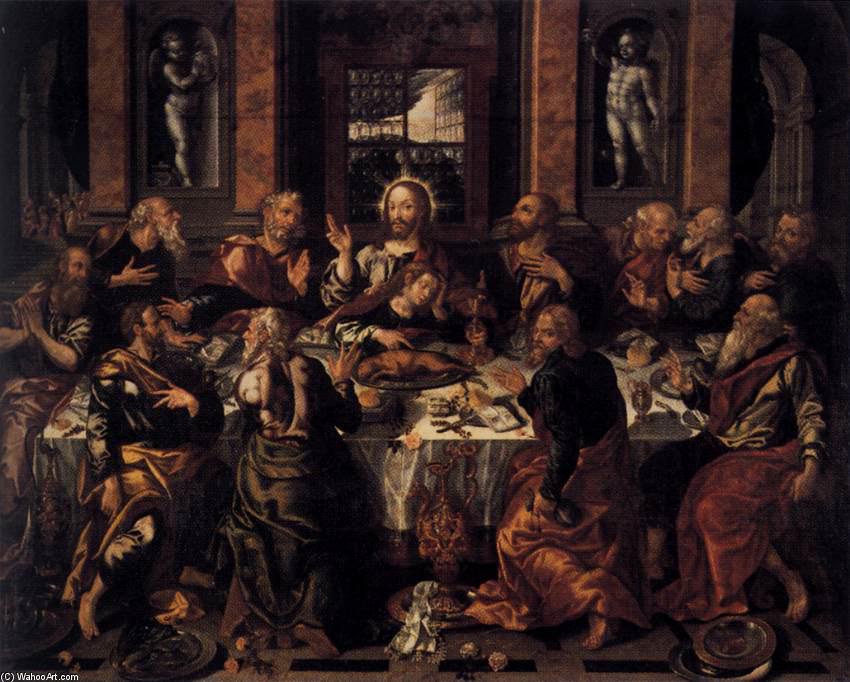
Last Supper


 詳細を見る
詳細を見る
オンラインプレビューをはるかに凌ぐ、高解像度で鮮明なデジタル画像をご購入いただけます。
各ファイルは、社内の専門家が高度なツールと熟練した手作業によるレタッチを用いて、細心の注意を払って準備されています。すべての画像において、卓越した鮮明度、正確な色彩再現性、そして繊細なディテールを保証いたします。
最終ファイルは、プロフェッショナルな編集・印刷環境ですぐにご利用いただけるよう最適化された状態で、72時間以内にメールにてお届けいたします。これは、一流のデザインスタジオ、出版社、ギャラリーから信頼されているものと同等の品質です。
デジタル画像のご注文に付随する特典
高品質なデジタル画像配信を、確かな品質で。
OriginalUniqueArt.com を選ぶことは、単に画像を手に入れることではありません。それは、プロの手によって精密に仕上げられ、満足保証が付いた高品質なデジタルアートワークを受け取ることを意味します。ご注文いただいた際に自動的に付随する内容は、以下の通りです:

メールですぐにお届け
ご注文から72時間以内に、高解像度のデジタル画像ファイルがメールでお手元に届きます。すぐにそのままご利用いただけます。

AI技術で最適化されたデジタルファイル
お客様の作品は、高度なAIツールと専門家による手作業の編集を組み合わせてプロフェッショナルに最適化されており、細部のディテール、鮮明さ、そして正確な色再現性を最大限に引き出しています。

一生涯無料の再送サービス
ファイルを誤って削除したり、紛失してしまったりしましたか?ご安心ください。いつでも無料で再送いたします。

輸入手数料は一切かかりません
関税や手数料、配送料を気にすることなく、お気に入りのアートワークをすぐにお楽しみいただけます。デジタルダウンロードは常に免税です。

色彩再現の保証
プロ仕様のツールとカラーマネジメント技術を用いることで、デジタル画像が元の色を最大限に忠実に再現することを保証いたします。

60日間満足保証
ご購入いただいたデジタル画像にご満足いただけない場合は、60日以内であれば、修正または100%の返金(理由を問う必要はありません)をさせていただきます。

100% 返金保証
ご満足いただけない場合は、デジタルファイルを受け取ってから60日以内であれば、理由を問わず全額返金いたします。

まとめ買い割引
3枚購入で10%OFF - 5枚購入で15%OFF - 10枚以上購入で20%OFF。クリエイティブなプロジェクト、ギャラリー、エージェンシーに最適です。
作家の略歴
A Life Immersed in Sacred Imagery: The World of Alonso Vázquez
Alonso Vázquez, a name perhaps less celebrated than some of his contemporaries, nevertheless occupies a significant niche within the vibrant tapestry of Spanish Renaissance art. Born in Ronda around 1565, his artistic journey unfolded against a backdrop of religious fervor and burgeoning Baroque sensibilities. While biographical details remain somewhat fragmented, we can piece together a portrait of an artist deeply committed to expressing faith through meticulously crafted paintings and sculptures. His early training took place in Seville under the tutelage of Arfian, a master who instilled in him the foundational skills necessary for navigating the demanding world of religious commissions. This apprenticeship wasn’t merely technical; it was an immersion into the iconography and devotional practices that would define his oeuvre. He began with *sargas* – inexpensive paintings on rough canvas – honing his abilities before graduating to more substantial works like frescoes and oil panels, a testament to his growing mastery.From Seville Canvases to Mexican Devotion
Vázquez’s artistic career blossomed primarily in Seville, a city pulsating with religious life and serving as a crucial port for the Spanish Empire. He quickly became sought after for decorating churches and convents, leaving behind a trail of works that, though many are now lost, reveal a distinctive style characterized by emotional intensity and refined technique. The Cathedral of Seville, along with the convents of St. Francis and St. Paul, were among his earliest patrons, providing him with opportunities to explore various themes within Christian narrative. A particularly noteworthy series of canvases depicted the life of Saint Raymond, commissioned for the cloister of the Order of Mercy. These paintings weren’t simply illustrations; they were intended to inspire piety and evoke a sense of empathy in viewers. Beyond these devotional works, Vázquez also contributed his talents to grand public displays, notably participating in the creation of an elaborate *catafalque* – a funerary monument – erected in Seville Cathedral following the death of Philip II. This undertaking demonstrates not only his technical skill but also his standing within the artistic community. The circumstances surrounding his later life are shrouded in some mystery; it is believed he traveled to Mexico, likely around the turn of the 17th century, where he continued to practice his art until his death, probably around 1608.Influences and Artistic Development
Pinpointing specific influences on Vázquez’s style proves challenging, as his work represents a synthesis of various currents prevalent in Spanish Renaissance painting. The influence of Italian Mannerism is discernible in the elegant elongation of figures and the sophisticated use of color, yet he also absorbed elements from Flemish realism, evident in the meticulous detail and naturalistic rendering of textures. However, it’s perhaps more accurate to view Vázquez as a transitional figure, bridging the gap between the High Renaissance and the emerging Baroque style. His paintings gradually moved away from the idealized forms of earlier Renaissance masters towards a greater emphasis on emotional expression and dramatic lighting – hallmarks of the Baroque aesthetic. This shift is particularly noticeable in his later works, where he employed bolder compositions and more dynamic brushwork to convey a sense of spiritual fervor.Themes and Techniques: A Language of Faith
The overwhelming majority of Vázquez’s surviving work revolves around religious themes – scenes from the lives of saints, depictions of the Virgin Mary, and representations of Christ's Passion. He wasn’t interested in groundbreaking innovation; rather, he sought to communicate established theological narratives with clarity and emotional resonance. His technique was characterized by a remarkable attention to detail, particularly evident in the rendering of fabrics, facial expressions, and architectural settings. He possessed a masterful command of oil painting, utilizing layers of glazing to create luminous effects and subtle gradations of color. While his frescoes demonstrate a more direct approach, they nonetheless reveal a sensitivity to form and composition. His use of symbolism was deliberate and nuanced, drawing upon established iconographic traditions to reinforce the devotional message of his paintings. He often employed specific colors – blue for Mary’s purity, red for Christ's sacrifice – to enhance the emotional impact of his work.Historical Significance and Legacy
Although not as widely recognized as some of his contemporaries like El Greco or Zurbarán, Alonso Vázquez played a crucial role in shaping the artistic landscape of Seville during a period of significant religious and cultural change. His paintings served as powerful tools for reinforcing Catholic doctrine and inspiring piety among the faithful.- His work exemplifies the transition from Renaissance classicism to Baroque emotionalism.
- He contributed significantly to the decorative programs of numerous churches and convents in Seville, leaving behind a lasting legacy within the city’s artistic heritage.
- His later activities in Mexico suggest his involvement in disseminating Spanish religious art throughout the New World.

alonso vázquez
1565 - 1608
プロフィール概要
- Artistic Movement Or Style: Renaissance
- Artists Or Movements Influenced By This Artist: ['Italian Renaissance']
- Artists Who Influenced This Artist:
- Luis de Vargas
- Antonio de Arjián
- Date Of Birth: ca. 1565
- Date Of Death: ca. 1608
- Full Name: Alonso Vázquez
- Nationality: Spanish
- Notable Artworks:
- St Raymond Paintings
- Great Catafalque
- Place Of Birth: Ronda, Spain

