
 プリントを購入
 シェアする
シェアする シェアする
シェアする
 詳細を見る
詳細を見る

 ダウンロード
 似ている作品
 スライドショー
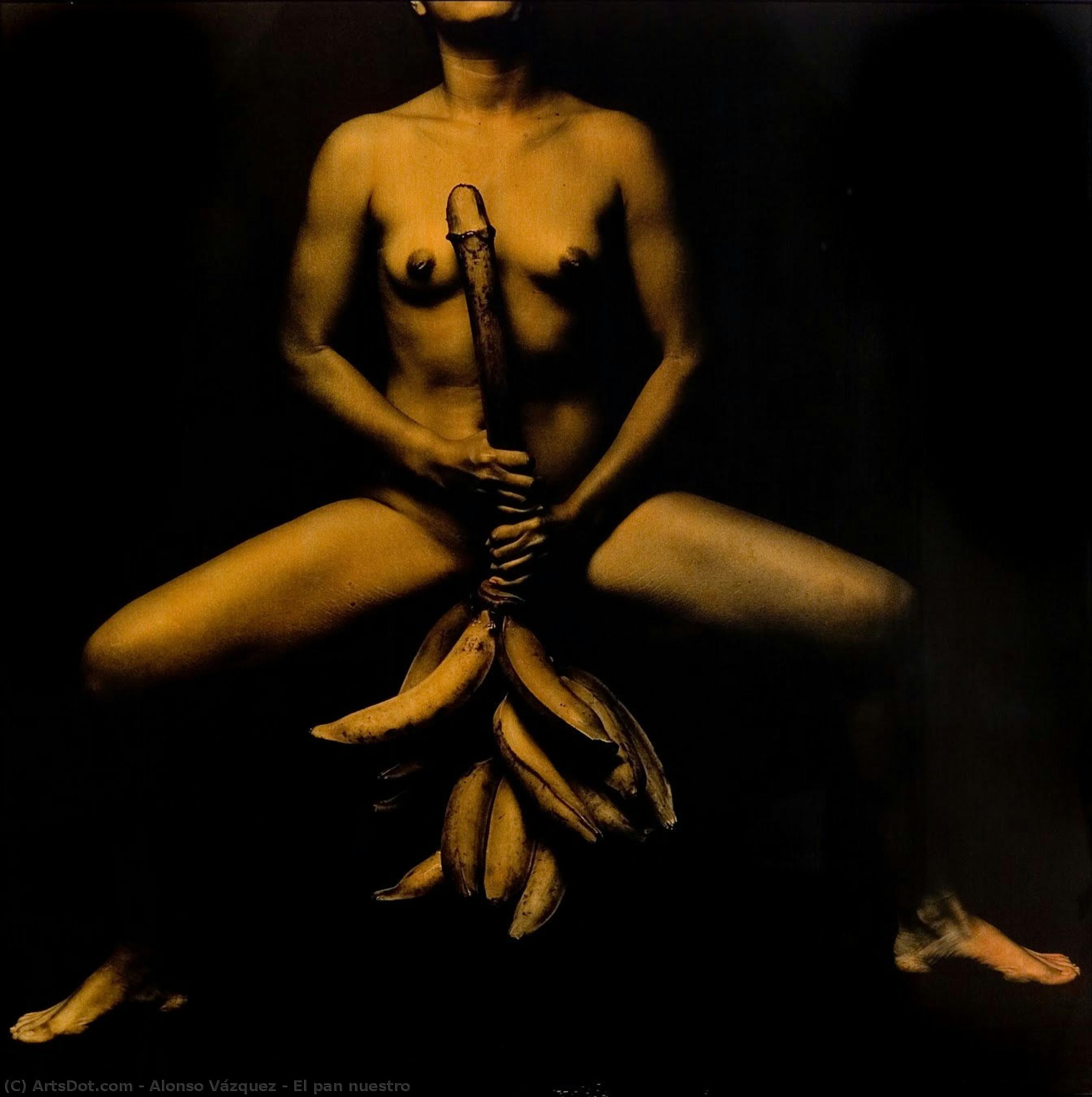
El pan nuestro


 詳細を見る
詳細を見る




































作品のオリジナル比率に合わせた、当店の規定サイズからお選びください。

特定のフレームやスペースに合わせて、ご希望のサイズをご入力いただけます。選択されたサイズが元の画像の比率と異なる場合、アートワークをトリミングするか、手描きで要素を追加して絵画を拡張いたします。デジタルモックアップ を制作し、制作開始前にご確認(承認)をいただきます。
画面上のプレビューは、実際のトリミングや拡張を正確に反映しているものではありません。最終的な構図は、モックアップによってのみ正確にご確認いただけます。
カスタムサイズもご利用いただけますが、元の比率を維持するためには、あらかじめ用意されたリストからサイズを選択することをお勧めいたします。
ご注文後、OriginalUniqueArt.com チームより詳細な指示をお送りするとともに、仕上がりイメージ(モックアップ)をご提供いたします。


 ガラスオプションは、110cm未満のサイズでのみご利用いただけます。

El pan nuestro
複製技法
複製画のサイズ
-


合計金額
$ 300
アーティストの略歴
A Life Immersed in Sacred Imagery: The World of Alonso Vázquez
Alonso Vázquez, a name perhaps less celebrated than some of his contemporaries, nevertheless occupies a significant niche within the vibrant tapestry of Spanish Renaissance art. Born in Ronda around 1565, his artistic journey unfolded against a backdrop of religious fervor and burgeoning Baroque sensibilities. While biographical details remain somewhat fragmented, we can piece together a portrait of an artist deeply committed to expressing faith through meticulously crafted paintings and sculptures. His early training took place in Seville under the tutelage of Arfian, a master who instilled in him the foundational skills necessary for navigating the demanding world of religious commissions. This apprenticeship wasn’t merely technical; it was an immersion into the iconography and devotional practices that would define his oeuvre. He began with *sargas* – inexpensive paintings on rough canvas – honing his abilities before graduating to more substantial works like frescoes and oil panels, a testament to his growing mastery.From Seville Canvases to Mexican Devotion
Vázquez’s artistic career blossomed primarily in Seville, a city pulsating with religious life and serving as a crucial port for the Spanish Empire. He quickly became sought after for decorating churches and convents, leaving behind a trail of works that, though many are now lost, reveal a distinctive style characterized by emotional intensity and refined technique. The Cathedral of Seville, along with the convents of St. Francis and St. Paul, were among his earliest patrons, providing him with opportunities to explore various themes within Christian narrative. A particularly noteworthy series of canvases depicted the life of Saint Raymond, commissioned for the cloister of the Order of Mercy. These paintings weren’t simply illustrations; they were intended to inspire piety and evoke a sense of empathy in viewers. Beyond these devotional works, Vázquez also contributed his talents to grand public displays, notably participating in the creation of an elaborate *catafalque* – a funerary monument – erected in Seville Cathedral following the death of Philip II. This undertaking demonstrates not only his technical skill but also his standing within the artistic community. The circumstances surrounding his later life are shrouded in some mystery; it is believed he traveled to Mexico, likely around the turn of the 17th century, where he continued to practice his art until his death, probably around 1608.Influences and Artistic Development
Pinpointing specific influences on Vázquez’s style proves challenging, as his work represents a synthesis of various currents prevalent in Spanish Renaissance painting. The influence of Italian Mannerism is discernible in the elegant elongation of figures and the sophisticated use of color, yet he also absorbed elements from Flemish realism, evident in the meticulous detail and naturalistic rendering of textures. However, it’s perhaps more accurate to view Vázquez as a transitional figure, bridging the gap between the High Renaissance and the emerging Baroque style. His paintings gradually moved away from the idealized forms of earlier Renaissance masters towards a greater emphasis on emotional expression and dramatic lighting – hallmarks of the Baroque aesthetic. This shift is particularly noticeable in his later works, where he employed bolder compositions and more dynamic brushwork to convey a sense of spiritual fervor.Themes and Techniques: A Language of Faith
The overwhelming majority of Vázquez’s surviving work revolves around religious themes – scenes from the lives of saints, depictions of the Virgin Mary, and representations of Christ's Passion. He wasn’t interested in groundbreaking innovation; rather, he sought to communicate established theological narratives with clarity and emotional resonance. His technique was characterized by a remarkable attention to detail, particularly evident in the rendering of fabrics, facial expressions, and architectural settings. He possessed a masterful command of oil painting, utilizing layers of glazing to create luminous effects and subtle gradations of color. While his frescoes demonstrate a more direct approach, they nonetheless reveal a sensitivity to form and composition. His use of symbolism was deliberate and nuanced, drawing upon established iconographic traditions to reinforce the devotional message of his paintings. He often employed specific colors – blue for Mary’s purity, red for Christ's sacrifice – to enhance the emotional impact of his work.Historical Significance and Legacy
Although not as widely recognized as some of his contemporaries like El Greco or Zurbarán, Alonso Vázquez played a crucial role in shaping the artistic landscape of Seville during a period of significant religious and cultural change. His paintings served as powerful tools for reinforcing Catholic doctrine and inspiring piety among the faithful.- His work exemplifies the transition from Renaissance classicism to Baroque emotionalism.
- He contributed significantly to the decorative programs of numerous churches and convents in Seville, leaving behind a lasting legacy within the city’s artistic heritage.
- His later activities in Mexico suggest his involvement in disseminating Spanish religious art throughout the New World.

alonso vázquez
1565 - 1608
基本情報
- Artistic Movement Or Style: Renaissance
- Artists Or Movements Influenced By This Artist: ['Italian Renaissance']
- Artists Who Influenced This Artist:
- Luis de Vargas
- Antonio de Arjián
- Date Of Birth: ca. 1565
- Date Of Death: ca. 1608
- Full Name: Alonso Vázquez
- Nationality: Spanish
- Notable Artworks:
- St Raymond Paintings
- Great Catafalque
- Place Of Birth: Ronda, Spain
関連記事

White on Canvas: 10 Masterpieces & Timeless Elegance for Your Home Decor
Explore 10 iconic white paintings by Monet, Whistler & Rothko! Discover the stories behind these serene masterpieces and their impact on art history. Find museum-quality reproductions for your home decor at .

Dark Masterpieces: 10 Iconic Paintings Dominated by Black Tones |
Explore 10 iconic paintings dominated by black tones, from Rembrandt’s chiaroscuro to Goya's dark expressions. Discover the stories behind these masterpieces & find museum-quality art reproductions for your home at .

Monochrome Visions: Exploring the Aesthetic & Historical Significance of Black & White Photography
Explore the rich history & artistic power of black and white photography. From early techniques to iconic masters like Ansel Adams, discover why monochrome continues to captivate art lovers today. Expert insights for collectors.
Shadow & Soul: Why Black & White Photography Remains the Ultimate Power Move in Modern Art
Discover why black & white photography remains a powerful force in contemporary art. Explore the impact of light, shadow, and texture through a visual journey of monochrome mastery and learn how to elevate your space with timeless grayscale aesthetics.
Mars Black Masterpieces: 10 Iconic Paintings & Timeless Art Decor Ideas
Delve into the power of 'Mars Black' with 10 iconic paintings by masters like Rembrandt & Caravaggio. Explore dramatic chiaroscuro, gothic art, and timeless beauty. Find museum-quality reproductions & elevate your home decor on .

