

 設置イメージを確認
 送る
送る シェア
シェア
 詳細情報
詳細情報 ガイドを表示

 画像をダウンロード
 似ている作品
 X線調査
X線調査 スライドショー
 統計情報
統計情報Diego de Covarrubias
 Oil On Canvas
- WallArt
- Renaissance
 1574
1574 61.0 x 50.0 cm
 エル・グレコ美術館
 続きを読む
続きを読む
手描き油彩複製画
当社のアーティストが、お客様のご希望のサイズと額縁に合わせて、キャンバスに手描きで制作する油彩画です。 ( プリント版に切り替え デジタル画像販売へ切り替え)




P118B $10

P118H $10

P118W $10

P438Z $10

P508JH $12

P508YH $12

P805H $10

P805Z $10

P919BZ $10

P919G $10

P919XJ $10

P959ZH $10

P968JZ $12

W106C $8

W218G $10

W218JH $8

W218Y $10

W307PJ $10

W316G $10

W316PJ $8

W316Y $10

W398PJ $8

W4111J $10

W500HY $15

W500JH $15

W692G $12

W849H $8

W940BG $15

W953PJ $8




作品のオリジナル比率に合わせた、当店の規定サイズからお選びください。

特定のフレームやスペースに合わせて、ご希望のサイズをご入力いただけます。選択されたサイズが元の画像の比率と異なる場合、アートワークをトリミングするか、手描きで要素を追加して絵画を拡張いたします。デジタルモックアップ を制作し、制作開始前にご確認(承認)をいただきます。
画面上のプレビューは、実際のトリミングや拡張を正確に反映しているものではありません。最終的な構図は、モックアップによってのみ正確にご確認いただけます。
カスタムサイズもご利用いただけますが、元の比率を維持するためには、あらかじめ用意されたリストからサイズを選択することをお勧めいたします。
ご注文後、OriginalUniqueArt.com チームより詳細な指示をお送りするとともに、仕上がりイメージ(モックアップ)をご提供いたします。


 ガラスオプションは、110cm未満のサイズでのみご利用いただけます。

Diego de Covarrubias
再現技法
複製画サイズ一覧
-


合計金額
$ 300
Diego de Covarrubias - A Renaissance Portrait of Dignity
Alonso Sánchez Coello’s 1574 portrait of Diego de Covarrubias stands as a testament to the artistic achievements of the Spanish Renaissance, embodying both Flemish objectivity and Venetian sensuality. More than just a likeness, it's an emblem of ecclesiastical authority and piety—a captivating glimpse into the opulent world of Philip II’s court.
- Subject Matter: The painting depicts Diego de Covarrubias, Archbishop of Segovia and Ciudad Rodrigo, a prominent figure within the Catholic Church. His solemn gaze conveys wisdom and composure, reflecting the ideals of Renaissance portraiture.
- Style & Technique: Sánchez Coello skillfully blended Flemish realism with Venetian luminosity. He achieved this through meticulous layering of thin glazes of oil paint—a technique that created a rich, textured surface and imbued the artwork with an ethereal glow.
- Composition: The portrait’s tightly framed composition focuses almost entirely on Covarrubias's head and upper torso, emphasizing frontal perspective and creating an intimate yet formal atmosphere. Dramatic lighting from the left casts strong shadows across his face and clothing, adding depth and volume to the figure.
- Symbolism: Covarrubias’ attire—a white robe adorned with intricate gold embroidery, a black mitre (cap), and a large cross pendant—served as potent symbols of religious piety and ecclesiastical rank. These elements underscore the portrait's significance within its historical context.
The painting’s muted color palette—dominated by browns, creams, blacks, and golds—contributes to its understated elegance. However, it is the artist’s masterful rendering of detail—the wrinkles on Covarrubias’ forehead, the texture of his beard and hair—that truly elevates this artwork. Sánchez Coello's meticulous attention to surface qualities speaks volumes about the Renaissance preoccupation with capturing the essence of human form.
Considered a cornerstone of Spanish art history, Diego de Covarrubias exemplifies the artistic spirit of its time. Its enduring appeal lies in its ability to convey both intellectual contemplation and spiritual devotion—qualities that continue to resonate with viewers today.
Historical Context & Artistic Influences
Painted during Philip II’s reign (1556-1598), Diego de Covarrubias reflects the broader artistic trends of the era. Sánchez Coello drew inspiration from Flemish masters like Jan Bruegel the Elder and Peter Paul Rubens, adopting their emphasis on realism and dramatic lighting. Simultaneously, he absorbed Venetian influences—particularly Titian’s use of rich color palettes and luminous glazing—resulting in a distinctive style that combined objectivity with sensual beauty.
Material & Technique Details
The artwork is executed in oil paint on canvas—a favored medium for portrait painters during the Renaissance. Sánchez Coello employed a painstaking process of layering thin glazes to build up color and depth, achieving remarkable textural richness and luminosity. This technique ensured that every nuance of light and shadow was captured with precision.
Emotional Impact & Legacy
Diego de Covarrubias transcends mere representation; it communicates profound emotions—dignity, piety, and contemplation. Its enduring legacy resides in its role as a seminal work of Renaissance portraiture—a masterpiece that continues to inspire artists and captivate audiences centuries later.
アーティストについて
生い立ちと修行時代
- 誕生:スペイン、ベニファイオ(1531年)
- 父の他界まで、バレンシア近郊で幼少期を過ごす。
- 1541年から1542年頃、ポルトガル王室に仕える貴族であった祖父のもとで暮らすため、ポルトガルへ移住。
- 1550年頃、フランドルにてアントニス・モル(アントニオ・モロ)に師事。
- モルのパトロンでもあったアラス司教、アントワーヌ・ド・グランヴィルから庇護を受ける。
スペイン宮廷での足跡
- ポルトガル王室、および後のポルトガル王子ジョアン・マヌエルの宮廷で活動。
- 1555年、フェリペ2世の妹であるフアナの推薦により、スペインのフェリプリス2世の宮廷へと移る。
- 1560年、宮廷画家となる。
- 1560年から1561年頃、銀細工師の娘であるルイーザ・レヤルテスと結婚。
- 娘のイサベル・サンチェスもまた画家となり、父の工房でその手腕を支えた。
- 宮廷と共にトレドへ移動し、1561年にはマドリードに定住。
芸術的様式と影響
- 様式:フランドル絵画の客観性と、ヴェネツィア派の官能性を融合させた独自のスタイル。
- 影響:主にアントニス・モルとティツィアーノから多大な影響を受ける。
- モルからは、細部における緻密な正確さを学んだ。
- ティツィアーノからは、ヴェネツィア特有の黄金色の色調、豊潤な筆致、そして光の巧みな扱いを取り入れた。
- その肖像画は、自然なポーズ、威厳、節度、そして温かみのある色彩を特徴とするものとして知られる。
主要作品と業績
- 肖像画のみならず、宗教画も数多く手がけた。
- 宗教画は伝統的な作風ではあるものの、厳格で簡素な美しさを湛えている。
- 代表的な肖像画:
- ロザリオを持つフェリペ2世(1573年)
- インファンタ・イサベル・クララ・エウヘニアの肖像(1571年)
- フェリペ2世の子息たちを描いた一連の絵画群。
- インファンタ、イサベル・クララ・エウヘニアとカタリナ・ミカエラの連肖像画(1568–69年)。
- エル・エスコリアル修道院のために宗教画を制作。
- セビリア港の地形図を描いた作品も残している。
遺産と歴史的意義
- 肖像画家としての彼の評価は、数多くの模倣作や複製が存在することによって、時に複雑な議論を呼んできた。
- スペイン・ルネサンス美術における極めて重要な人物と見なされており、特に宮廷肖像画の分野においてその地位は揺るぎない。
- 甲冑や衣類の質感の描写における彼の技法は、後の巨匠ベラスケスをはじめとする後世の画家たちに多大な影響を与えた。
- 1588年8月8日、マドリードにてその生涯を閉じる。

アロンソ・サンチェス・コエージョ
1531 - 1588 , スペイン
アーティスト情報
- Artistic Movement Or Style: スペイン・ルネサンス
- Artists Or Movements Influenced By This Artist:
- フアン・パントハ・デ・ラ・クルス
- フェリペ・デ・リアニョ
- Artists Who Influenced This Artist:
- アントニス・モル
- ティツィアーノ
- Date Of Birth: 1531年頃
- Date Of Death: 1588年
- Full Name: アロンソ・サンチェス・コエージョ
- Nationality: イベリア
- Notable Artworks:
- ロザリオを持つフェリペ2世
- 貴婦人の肖像
- オーストリアのアナ
- オーストリアのドン・ファン
- 王妃カタリナ・デ・オーストリア
- Place Of Birth: スペイン、ベニファイオ
関連記事
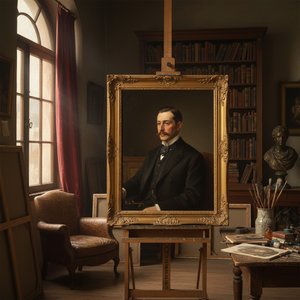
Rafael de Penagos: A Study in Spanish Portraiture & Artistic Identity
Explore the life & art of Rafael de Penagos, a leading Spanish Art Deco illustrator. Discover his iconic 'Penagos Woman', commercial work, and lasting legacy. Learn about this pivotal figure in 20th-century Spanish art history.

ゴヤ傑作25選:スペインの魂を揺さぶる、深遠な芸術の世界 | OriginalUniqueArt
ゴヤ傑作25選:ロマン主義を代表するスペインの巨匠、フランシスコ・デ・ゴヤの世界へ。黒衣の女からマハまで、魂を揺さぶる絵画の物語と技法を紐解きます。OriginalUniqueArtで高品質なアートレプリカを見つけ、インテリアに深みと風格を。今すぐコレクションをご覧ください。
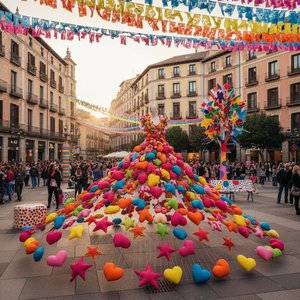
Águeda Ruiz de la Prada: A Study of Eclecticism & Emotional Resonance in Contemporary Spanish Painting
Discover the vibrant world of Ágatha Ruiz de la Prada, a leading figure in contemporary Spanish art. Explore her eclectic style, emotional depth & legacy – a must-read for discerning collectors.

About Us
Discover our story! We bring world-class art into your life through expert curation, personalized creations, and free previews. Trusted by individuals and businesses since 2000.
プラド美術館の至宝25選:名画が語るスペイン美術史 | OriginalUniqueArt
プラド美術館の至宝25選🎨 ベルラスケス、ゴヤの名画を紐解き、スペイン美術史を旅する。油絵、バロック、印象派…OriginalUniqueArtで高品質な複製画とインテリアアートを見つけよう。名画の世界をあなたの空間に✨ Explore the full collection online!