

 設置イメージを確認
 送る
送る シェア
シェア
 詳細情報
詳細情報 ガイドを表示

 画像をダウンロード
 似ている作品
 X線調査
X線調査 スライドショー
 Q&A
Q&A 統計情報
統計情報George III (1738–1820)
 Oil On Canvas
- WallArt
- Neoclassicism
 214.0 x 150.0 cm
 ロイヤル・ホスピタル・チェルシー
 続きを読む
続きを読む
ジークレー/アートプリント
スピーディーな制作と多彩な仕上げオプションが魅力の、ミュージアムクオリティなジークレー・キャンバスプリント。 ( 手描きの複製画を注文する デジタル画像販売へ切り替え)




P118B ¥10

P118H ¥10

P118W ¥10

P438Z ¥10

P508JH ¥12

P508YH ¥12

P805H ¥10

P805Z ¥10

P919BZ ¥10

P919G ¥10

P919XJ ¥10

P959ZH ¥10

P968JZ ¥12

W106C ¥8

W218G ¥10

W218JH ¥8

W218Y ¥10

W307PJ ¥10

W316G ¥10

W316PJ ¥8

W316Y ¥10

W398PJ ¥8

W4111J ¥10

W500HY ¥15

W500JH ¥15

W692G ¥12

W849H ¥8

W940BG ¥15

W953PJ ¥8




作品のオリジナル比率に合わせた、当店の規定サイズからお選びください。

額縁や壁のスペースに合わせて、ご希望の幅と高さを入力してください。プリントはカットすることは可能ですが、元の画像より大きくすることはできないため、異なる比率のサイズを選択された場合は、画像の一部が欠けることになります。印刷を開始する前に、内容を確認していただくためのデジタルモックアップをお送りいたします。このページに表示されている画像は、実際のカット後の状態を示すものではありません。実際の仕上がりはモックアップにてご確認ください。


 ガラスオプションは、110cm未満のサイズでのみご利用いただけます。

George III (1738–1820)
ジークレー/アートプリント
複製画サイズ一覧
-


合計金額
¥ 12591
A Regal Portrait: Allan Ramsay’s George III
Allan Ramsay's portrait of King George III, completed around 1761-2, is more than just a likeness; it’s a carefully constructed embodiment of power, authority, and the nascent complexities of the British monarchy. This masterful work, rendered in oil on canvas, transcends mere representation to become a window into the era's political climate and artistic sensibilities – specifically, the rise of Neoclassicism within portraiture. The painting immediately commands attention with its dramatic lighting, a key element that draws the viewer’s eye directly to the King’s face, imbuing him with an almost palpable sense of presence.
Ramsay, a leading figure in 18th-century Scottish art, expertly employs linear perspective to create a sense of depth and spatial arrangement. The throne, rendered as a robust square, anchors the composition while the draped fabric behind George III flows into a dark, indistinct background – a deliberate choice that serves to highlight the subject’s importance and elevate his status. The use of geometric shapes—squares for the throne, rectangles for the robes—contrasts with the more organic curves of the King's face, suggesting a balance between rigid formality and human warmth.
A Study in Neoclassical Detail
Examining the brushwork reveals Ramsay’s meticulous technique. Layered glazes build up color depth and luminosity, particularly noticeable in the rich textures of the royal robes – a testament to his ability to capture the sheen of velvet and the weight of heavy fabrics. The artist skillfully renders skin tones with subtle variations, avoiding overly smooth surfaces; instead, he introduces a slight roughness that lends a sense of realism and immediacy. The careful attention to detail extends to the rendering of the King’s attire: the intricate embroidery, the gleaming gold accents, and the precise folds of his garments all speak to the immense wealth and power associated with the monarchy.
The painting's palette is restrained yet sophisticated, dominated by deep reds, blues, and browns – colors traditionally linked with royalty and authority. The lighting, originating from a strong left-hand source, casts dramatic shadows that sculpt George III’s features, emphasizing his brow, cheekbones, and the solemnity of his expression. This chiaroscuro effect not only adds visual interest but also contributes to the overall sense of gravitas and dignity.
Symbolism and Historical Context
George III reigned from 1760 until his death in 1820, a period marked by significant political and military upheaval. The portrait itself is deeply symbolic, reflecting the King’s role as head of state during a time of considerable change. The crown, prominently displayed, represents sovereignty and divine right – concepts that were increasingly challenged during George III's reign. The robes, rich in color and ornamentation, symbolize his wealth and status, while the scepter and orb further reinforce his authority.
Ramsay’s work was commissioned during a pivotal moment in British history—the early years of George III’s rule. The King's reign coincided with the Seven Years’ War and the subsequent American Revolution, events that profoundly shaped the course of British history. The portrait, therefore, can be interpreted as an attempt to project an image of stability and strength at a time of considerable uncertainty. It is also important to note that this particular painting was one of many commissioned by the King, reflecting his desire to solidify his position and assert his authority.
A Legacy of Elegance
Allan Ramsay’s portrait of George III stands as a remarkable achievement of Neoclassical portraiture. It is a testament to the artist's technical skill, his understanding of symbolism, and his ability to capture the essence of a historical figure. Reproductions of this iconic image continue to resonate with viewers today, offering a glimpse into the grandeur and complexities of 18th-century Britain. The painting’s enduring appeal lies not only in its aesthetic beauty but also in its ability to evoke a sense of history, power, and timeless elegance.
よくあるご質問
アラン・ラムゼイ作「George III (1738–1820)」には何が描かれていますか?
アラン・ラムゼイ作「George III (1738–1820)」に描かれているテーマには、royal portraiture, 18th century britain, george iii, king, neoclassical art, scottish nobility, portrait painting, regal authorityなどがあります。これらが合わさることで、本作の主題を構成しています。
アラン・ラムゼイ作「George III (1738–1820)」の活用方法や、おすすめの設置スペースについて教えてください。
アラン・ラムゼイ作「George III (1738–1820)」はStatementに最適で、Living Roomに飾るのが特におすすめです。用途と空間の組み合わせによって、複製画を飾るのにふさわしい場所をご提案します。
「George III (1738–1820)」は、アラン・ラムゼイの他の作品群とどのような共通点を持っていますか?
アラン・ラムゼイの作品群において、「George III (1738–1820)」はNeoclassicism様式に属しており、classical ideals, roman influence, royal power, british identity, political authority, monarchy, ramsay's aristocratic portraits, scottish nobility depictionというテーマを共有しています。
アーティストについて
アラン・ラムゼイ:優雅さと芸術性の生涯
1713年10月13日、スコットランドのエディンバラに生まれたアラン・ラムゼイは、その時代の優雅さと洗練を捉えた肖像画家として名を馳せました。彼の芸術的な旅は20歳でロンドンへ渡り、スウェーデンの画家ハンス・ヒュシンのもとで学び始めたことから始まり、その後セント・マーティンズ・レーン・アカデミーでの研鑽を積みました。この基礎的な訓練が、彼に確かな技術と構成力を与えました。
イタリアの影響と芸術的発展
ラムゼイの芸術的発達における重要な転換点は、ローマとナポリへの旅行でした。1736年から1738年の3年間、彼はフランチェスコ・ソリメーナとインペリアーレ(フランチェスコ・フェルナンディ)に師事しました。これらのイタリアの巨匠たちは彼のスタイルに深い影響を与え、古典主義の原則への理解を深めるとともに、人物の likeness と個性を捉える能力を高めました。彼は当時のロココ様式を取り入れながらも、新古典主義的な理想に対する鑑賞眼を育んでいきました。
輝かしいキャリアと代表作
1738年にイギリスに帰国したラムゼイは、すぐに成功を収める肖像画家として頭角を現しました。彼の正確さと優雅さを兼ね備えた人物描写は、名声ある顧客層を獲得し、その才能を開花させました。彼の最も有名な作品には以下のようなものがあります。
- シャーロット王妃(1744-1818)と2人の長男 (ロンドン、王立コレクション): 王妃の母性的な存在を際立たせた荘厳な肖像画。
- メアリー・デッグ、ロバート・マナーズ夫人 (スコットランド国立美術館、エディンバラ): 貴族の美しさを捉えた優雅な肖像画で、ラムゼイの卓越した技術を示しています。
- カレドン卿ダンカン・フォーブスの頭部: この初期の作品はアーガイル公爵の目に留まり、後にロイヤルバンクオブスコットランドの紙幣に採用されました。
王室への任命と頂点
ラムゼイのキャリアにおける画期的な瞬間は、1761年にジョージ3世の宮廷首席画家に任命されたことです。この名誉ある地位が彼の芸術界での地位を確固たるものにし、王室や上流社会からの依頼が絶え間なく続くようになりました。彼はまさにジョージアン時代の肖像画家の代表的存在となりました。
晩年と遺産
ラムゼイの晩年は、広範な知的関心を反映して文学的な探求へとシフトしました。しかし、右腕の偶発的な脱臼や1782年の第二夫人の死といった個人的な悲劇が彼の健康と生産性に影響を与えました。彼は1784年にその生涯を閉じました。
これらの困難にもかかわらず、ラムゼイはスコットランドで最も称賛される肖像画家の一人として永続的な遺産を残しました。サミュエル・ジョンソンが指摘したように、「私はラムゼイが好きだ。彼の会話の中に、これほど多くの教訓と情報と優雅さを見つけることはできないだろう」と。彼の作品は、その技術力、洗練された美学、そして18世紀の社会に対する洞察に満ちた描写によって、今もなお高く評価されています。
歴史的意義
アラン・ラムゼイの貢献は、彼の芸術的な才能を超えて広がっています。彼はスコットランドの社会と政治が大きく変化する時代において、その視覚文化を形成する上で重要な役割を果たしました。彼の肖像画は、スコットランド貴族や紳士階級の生活、ファッション、価値観に関する貴重な洞察を提供します。彼の作品は、エア・タウンホールやスコットランド国立ポートレートギャラリーなどの場所で見ることができます。
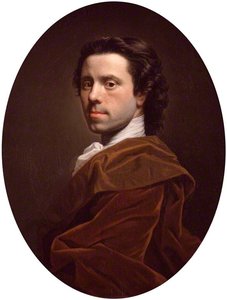
アラン・ラムゼイ
1713 - 1784 , イギリス
アーティスト情報
- Artistic Movement Or Style: ロココ調、新古典主義
- Artists Who Influenced This Artist:
- ハンス・ヒュシン
- フランチェスコ・ソリメナ
- Date Of Birth: 1713年10月13日
- Date Of Death: 1784年
- Full Name: アレン・ラムゼイ
- Nationality: スコットランド人
- Notable Artworks (List Of Titles):
- シャーロット王妃と長男たち
- メアリー・デッグ夫人
- ダンカン・フォーブスの肖像
- Place Of Birth (City And Country): エディンバラ、イギリス
関連記事

Allen Ramsay: Portraiture, Patronage & Shaping Georgian Identity
Explore the life & work of Allen Ramsay, pivotal portraitist to George III. Discover his Rococo style, influence on Georgian society, and lasting legacy in British art history. Learn about his key works & patronage.

ジョルジュ・ブラック傑作25選:革新的なキュビスムの世界と装飾への誘い
ジョルジュ・ブラックの傑作25選。キュビスムを代表する画家、その革新的な色彩と技法に迫ります。名画から知られざる逸品まで、美術史に残る作品群をOriginalUniqueArt.comで鑑賞。お部屋を彩るアートプリントも多数ご用意。今すぐオンラインでコレクションをご覧ください。

Neoclassical Portraiture: The Timeless Elegance of Order, Grace, and Academic Mastery
Explore the refined world of Neoclassical portraiture. Discover the mastery of line, light, and order through an expert exploration of academic art history, from Jacques-Louis David to Jean-Antoine Houdon. Immerse yourself in the timeless elegance of classical realism.

ジョルジュ・スーラ傑作25選:光と色彩の科学が織りなす芸術の世界|OriginalUniqueArt
ジョルジュ・スーラの傑作25選。点描画の光と色彩、印象派から新印象派へ—OriginalUniqueArtで美術史を紐解き、リビングやダイニングを彩る高品質なアートプリントを見つけましょう。セーラ作品集をオンラインで鑑賞ください。

Majesty on Canvas: A Definitive Guide to Iconic Royal Portraits Through Art History
Explore the profound history of royal portraiture. From Baroque grandeur to Victorian elegance, discover how master artists captured power and lineage on canvas through the timeless medium of oil painting.