

 送る
送る シェア
シェア
 詳細情報
詳細情報 ガイドを表示

 画像をダウンロード
 似ている作品
 スライドショー
 統計情報
統計情報The Steerage
 Black and White Photography
- Photo
- Pictorialism
 1907
1907 33.0 x 26.0 cm
 J・ポール・ゲティ美術館
 続きを読む
続きを読む
ジークレー/アートプリント
スピーディーな制作と多彩な仕上げオプションが魅力の、ミュージアムクオリティなジークレー・キャンバスプリント。 ( 手描きの複製画を注文する デジタル画像販売へ切り替え)




































作品のオリジナル比率に合わせた、当店の規定サイズからお選びください。

特定のフレームやスペースに合わせて、ご自身でサイズを指定することも可能です。選択されたサイズが元の画像の比率と一致しない場合、作品をトリミングするか、鏡面反射または単色での塗りつぶしによって画像を拡張いたします。制作を開始する前に、ご確認用のデジタルモックアップをお送りいたします。
画面上のプレビューには、実際のトリミングや拡張は反映されませんのでご注意ください。最終的な構図を正確に確認できるのは、モックアップのみとなります。
カスタムサイズも承っておりますが、元の比率を維持するためには、あらかじめ用意されたリストからサイズを選択することをお勧めいたします。


 ガラスオプションは、110cm未満のサイズでのみご利用いただけます。

The Steerage
ジークレー/アートプリント
複製画サイズ一覧
-


合計金額
$ 80
Alfred Stieglitz’s “The Steerage”: A Snapshot of Modernity
Alfred Stieglitz's "The Steerage," created in 1907, stands as an undeniable cornerstone of American modernist photography and a testament to Stieglitz’s revolutionary vision. More than just documenting a voyage aboard the SS Kaiser Wilhelm II—a journey undertaken by Stieglitz and his family to visit relatives in Europe—the photograph transcends its immediate subject matter to capture a profound moment of artistic innovation and cultural observation. It's a deceptively simple image, yet brimming with layers of meaning that continue to fascinate art historians and collectors alike.- Composition & Form: Stieglitz meticulously crafted the scene using a technique known as photogravure—a process favored by Pictorialists who sought to emulate the tonal richness and textural subtleties of oil paintings. The photograph’s asymmetrical arrangement, dominated by the towering mast and angled stairway, immediately establishes a dynamic tension that draws the viewer's eye across the frame. Stieglitz deliberately positioned elements like the straw hat and the drawbridge railing to create intersecting diagonals—a compositional strategy characteristic of Cubism and foreshadowing the broader artistic trends emerging at the time.
- Historical Context: The photograph was taken during a period marked by significant immigration into America, particularly from Europe. However, Stieglitz wasn’t merely recording social conditions; he was actively engaging with them as an artist. The SS Kaiser Wilhelm II represented the pinnacle of maritime engineering and luxury—a symbol of burgeoning industrial progress—and Stieglitz's decision to capture this scene reflects his fascination with capturing the essence of modern life.
- Symbolism & Emotion: Beyond its formal elements, “The Steerage” resonates deeply with emotional resonance. Stieglitz himself recounted a moment of intense contemplation as he gazed upon the crowded steerage deck—a feeling he described as "seeing shapes related to one another — a picture of shapes, and underlying it, a new vision that held me." This experience fueled his artistic impulse, demonstrating how observation could inspire profound creative breakthroughs.
- Technique & Reproduction: The photogravure process itself contributes significantly to the photograph’s aesthetic impact. It allowed for exceptional tonal gradations—capturing subtle nuances of light and shadow—that would have been unattainable with earlier photographic methods. Reproductions today strive to faithfully recreate this richness, utilizing high-resolution printing techniques to preserve the original image's textural qualities.
Alfred Stieglitz: A Pioneer of Vision
Alfred Stieglitz (1864–1946) wasn’t simply a photographer; he was a transformative figure who fundamentally reshaped the artistic landscape of America. Born in Hoboken, New Jersey, his upbringing fostered an intellectual curiosity that propelled him beyond conventional pursuits—a passion ignited by studies in Berlin under Hermann Wilhelm Vogel. Vogel introduced Stieglitz to the captivating potential hidden within photographic processes—a revelation that would define his life’s work and solidify his legacy as a champion of artistic experimentation. He purchased his first camera, embarking on a journey to document the European countryside, quickly developing an aesthetic sensibility rooted in Pictorialism—a movement dedicated to mirroring the expressive qualities of painting. This commitment to elevating photography to fine art cemented Stieglitz's place among the most influential artists of his era.Exploring “The Steerage” Today
Today, reproductions of "The Steerage" adorn galleries and private collections worldwide. They serve as a powerful reminder of Stieglitz’s groundbreaking contribution to modern art—a testament to his ability to distill complex ideas into a single unforgettable image. Consider commissioning a hand-painted reproduction from OriginalUniqueArt.com to bring this iconic masterpiece into your home or workspace, preserving its timeless beauty and capturing the spirit of artistic innovation at the dawn of the 20th century.アーティストについて
視覚の先駆者:アルフレッド・スチグリッツの生涯と遺産
1864年1月1日、ニュージャージー州ホーボーケンに生を受けたアルフレッド・スチグリッツは、単なる写真家という枠には収まりきらない存在でした。彼は、写真という技術的な手仕事を、認められた「純粋芸術」へと独力で押し上げた革命的な推進力だったのです。彼の旅は、カメラを手にすることからではなく、ドイツ系ユダエント移民の家族によって育まれた知的な環境から始まりました。チャリエ・インスティテュートやニューヨーク市立大学での初期教育がその礎となりましたが、彼の芸術的情熱に火を灯したのは、ベルリンでの研鑽でした。そこでヘルマン・ヴィルヘルム・フォーゲルという師の下、スチグリッツは写真のプロセスの中に隠された魅惑的な可能性を見出しました。この発見こそが、彼の生涯の仕事となる道筋を決定づけたのです。彼は最初のカメラを購入し、ヨーロッパの田園風景を記録し始めましたが、その過程で、後に「ピクトリアリズム(絵画主義)」として知られることになる美意識を急速に形成していきました。この運動は、加工されたプリント技術やソフトフォーカス、情緒的な構図を用いることで、絵画やデッサンが持つ表現力を模倣しようとするものでした。しかし、スチグリッツはやがてこうした制約を超越し、写真独自の視点へと向かう新たな道を切り拓いていくことになります。モダンアートの擁護とアメリカの声
1890年にニューヨークへ帰還すると、スチグリッツは写真を芸術形式として正当化するという使命に乗り出しました。彼は精力的な執筆家となり、その芸術的価値を情熱的に主張する記事を次々と発表し、ニューヨーク・カメラ・クラブの機関誌『カメラ・ノーツ』を創刊しました。しかし、クラブの保守的な姿勢に不満を感じた彼は、1902年に写真芸術の振興を目的としたグループ「フォト・セセッション」を設立します。その活動は、5番街291番地に開設されたギャラリー「2م91」の誕生という頂点へと結実しました。ここはアメリカにおけるモダンアートの揺籃(ようらん)となったのです。そこは単に写真を展示する場ではありませんでした。スチグリッツはパブロ・ピカソ、アンリ・マティス、フランシス・ピカビアといったヨーロッパの前衛芸術家たちの画期的な作品を大胆に展示し、キュビスムやフォーヴィスムといった新興運動の急進的な革新性をアメリカの観衆に紹介しました。「291」は、思想が衝突し、境界が押し広げられ、独自の「アメリカ的モダン美学」が形作られ始めるサロンとなったのです。スチグリッツの影響は展示活動に留まりませんでした。彼は対話を促し、既成概念に挑み、後に妻となるジョージア・オキーフをはじめとする数え切れないほど多くの芸術家のキャリアを育みました。進化するスタイル:ピクトリアリズムからストレート・フォトグラフィへ
スチグリッツ自身の写真様式も、そのキャリアを通じて劇的な進化を遂げました。初期には、『ドールとジョージア・エンゲルハードの研究』(1910年)に代表されるような、ソフトフォーカスによる絵画的な美学、すなわちピクトミリアリズムを追求していましたが、次第に「ストレート・フォトグラフィ」として知られる、より直接的で無加工なアプローチへと移行していきました。この転換は、形態、明晰さ、そして素材が持つ固有の性質を重視するモダンアートへの理解が深まったことによってもたらされたものです。彼の最も象徴的な作品の一つである『船底』(1907年)は、まさにこの転換点を示しています。大西洋横断航海中に捉えられたこの一枚は、船底クラスの乗客たちの姿を、モダニズムの原則を予兆させるような冷徹なリアリズムと大胆な構図で描き出しています。そこには感傷や絵画的な美しさはなく、代わりに幾何学的な形状とトーンのコントラストを強調した、社会の現実をありのままに提示する力強さがあります。その後の作品、例えば雲の研究を続けたシリーズ(『エキヴァレント』)などは、純粋な形態と光を通じて写真の表現力を探求しようとする彼の献身をさらに証明しています。これらのイメージは特定の対象を再現することを目的としたのではなく、むしろ感情的な状態を呼び起こすためのものであり、その概念は後の抽象表現主義とも共鳴するものでした。アメリカ美術に刻まれた永続的な影響
アルフレッド・スチグリッツが遺したレガシーは、写真における業績を遥かに超えて広がっています。彼は教育者であり、プロモーターであり、そして写真が正当な芸術として認められるための不屈の擁護者でした。彼のギャラリーは、既成の芸術家と新進気鋭のアーティストの両方にプラットフォームを提供し、アメリカ・モダニズムの風景を形作りました。彼は、芸術は伝統的なアカデミズムの慣習から脱却し、現代生活の現実を反映すべきであるという思想を掲げました。その著作、展覧会、そして個人的な人間関係を通じて、彼は活気ある芸術コミュニティーを育み、写真という媒体の独自の可能性を探求する次世代のフォトグラファーたちにインスピレーションを与え続けたのです。彼の影は、ポール・ストランド、エドワード・ウェストン、アンセル・アダムスといった、彼に続く数多くの芸術家たちの作品の中に見出すことができます。- ・彼は写真を尊敬される芸術形式として確立しました。
- ・ヨーロッパのモダニズムをアメリカの観衆に紹介しました。
- ・ギャラリーやメンターシップを通じて、活気ある芸術コミュニティを育成しました。
- ・自身の作品をピクトリアリズムからストレート・フォトグラフィへと進化させ、後世に影響を与えました。
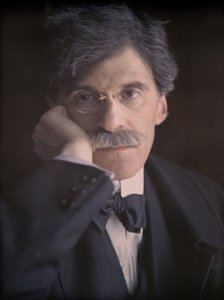
アルフレッド・スティーグリッツ
1864 - 1946 , アメリカ合衆国
アーティスト情報
- Artistic Movement Or Style: ピクトリアリズム、モダニズム
- Artists Or Movements Influenced By This Artist:
- ジョージア・オキーフ
- アーサー・ガーフィールド・ドーヴ
- Artists Who Influenced This Artist: ['ヘルマン・ヴィルヘルム・フォーゲル']
- Date Of Birth: 1864年1月1日
- Date Of Death: 1946年7月13日
- Full Name: アルフレッド・スティーグリッツ
- Nationality: アメリカ
- Notable Artworks:
- 人形を持ったジョージア・エンゲルハードの研究
- 船の第三等客室
- 旧いニューヨークと新しいニューヨーク
- Place Of Birth: アメリカ合衆国、ホボーケン
関連記事

Echoes of Time: Exploring the Enduring Appeal & Historical Context of Vintage Art Prints
Explore the captivating world of vintage art prints! Discover their history, collecting tips & enduring appeal. Expert insights on chromolithography and building a legacy collection with OriginalUniqueArt.

Pictorialism: A Search for Artistic Photography's Soul – Aesthetics, Techniques & Legacy
Explore the captivating world of Pictorialism – a pivotal movement that transformed photography into fine art. Discover key artists like Stieglitz & Käsebier, techniques, and collecting tips from experts.

Beyond the Lens: Photography's Enduring Influence on Modern & Contemporary Art
Explore photography's pivotal role in shaping modern & contemporary art. Discover key movements, influential artists like Stieglitz, and expert collecting advice from OriginalUniqueArt.

Giclée Prints: Archival Quality & Aesthetic Nuances for the Discerning Collector
Explore the world of giclée prints with OriginalUniqueArt. Learn about archival quality, aesthetic nuances & investment potential. Expert guidance for discerning art collectors seeking museum-quality reproductions and lasting value.

Monochrome Visions: Exploring the Aesthetic & Historical Significance of Black & White Photography
Explore the rich history & artistic power of black and white photography. From early techniques to iconic masters like Ansel Adams, discover why monochrome continues to captivate art lovers today. Expert insights for collectors.