

 設置イメージを確認
 送る
送る シェア
シェア
 詳細情報
詳細情報 ガイドを表示

 画像をダウンロード
 似ている作品
 X線調査
X線調査 スライドショー
 統計情報
統計情報Praying Monks
 Acrylic On Canvas
- WallArt
- Late Baroque
 53.0 x 43.0 cm
 Museum voor Schone Kunsten
 続きを読む
続きを読む
ジークレー/アートプリント
スピーディーな制作と多彩な仕上げオプションが魅力の、ミュージアムクオリティなジークレー・キャンバスプリント。 ( 手描きの複製画を注文する デジタル画像販売へ切り替え)




P118B ¥10

P118H ¥10

P118W ¥10

P438Z ¥10

P508JH ¥12

P508YH ¥12

P805H ¥10

P805Z ¥10

P919BZ ¥10

P919G ¥10

P919XJ ¥10

P959ZH ¥10

P968JZ ¥12

W106C ¥8

W218G ¥10

W218JH ¥8

W218Y ¥10

W307PJ ¥10

W316G ¥10

W316PJ ¥8

W316Y ¥10

W398PJ ¥8

W4111J ¥10

W500HY ¥15

W500JH ¥15

W692G ¥12

W849H ¥8

W940BG ¥15

W953PJ ¥8




作品のオリジナル比率に合わせた、当店の規定サイズからお選びください。

額縁や壁のスペースに合わせて、ご希望の幅と高さを入力してください。プリントはカットすることは可能ですが、元の画像より大きくすることはできないため、異なる比率のサイズを選択された場合は、画像の一部が欠けることになります。印刷を開始する前に、内容を確認していただくためのデジタルモックアップをお送りいたします。このページに表示されている画像は、実際のカット後の状態を示すものではありません。実際の仕上がりはモックアップにてご確認ください。


 ガラスオプションは、110cm未満のサイズでのみご利用いただけます。

Praying Monks
ジークレー/アートプリント
複製画サイズ一覧
-


合計金額
¥ 12603
A Glimpse into Melancholy: Alessandro Magnasco’s “Praying Monks”
Alessandro Magnasco's "Praying Monks," a remarkably intimate and subtly unsettling work from around 1730, offers a profound meditation on faith, solitude, and the human condition. Measuring just 53 x 43 cm, this painting transcends its modest size to deliver an experience of weighty emotion—a testament to Magnasco’s unique ability to distill complex spiritual themes into powerfully evocative imagery. The scene unfolds within a deliberately sparse landscape, dominated by two weathered rocks that serve as silent witnesses to the monks' devotion. These aren’t dramatic mountains or imposing cliffs; rather, they are humble elements, grounding the figures and suggesting a connection between earthly solidity and the search for something beyond.
Magnasco, born in Genoa in 1667 and primarily active in Milan, occupies a fascinating space within the transition from Baroque to Rococo. He wasn’t simply replicating established styles; he was forging his own path, marked by an intensely personal vision often tinged with melancholy. Unlike many of his contemporaries who embraced grand narratives and theatrical displays, Magnasco favored a quieter, more introspective approach. This is immediately apparent in “Praying Monks,” where the focus isn’t on elaborate gestures or dramatic expressions, but rather on the subtle nuances of posture and expression—the bowed head, the clasped hands, the almost palpable sense of quiet contemplation.
The Figures: A Spectrum of Response
Three monks dominate the composition, each embodying a distinct response to their shared devotion. The monk on the left, positioned slightly off-center, is rendered in a posture of fervent supplication—his hands raised in an open gesture of prayer, his face turned heavenward. He represents perhaps the most outwardly expressive of the three, a visible yearning for connection with the divine. To his right and above him stands another monk, equally engaged in prayer, but exhibiting a more subdued demeanor – a quiet acceptance, a yielding to fate. The third monk, kneeling further to the right, is depicted in a posture of almost complete surrender—a stillness that borders on sleep or perhaps even despair. This final figure offers a poignant counterpoint to the others, suggesting the potential for spiritual exhaustion and the struggle to maintain faith amidst hardship.
Magnasco’s masterful use of light and shadow further enhances this emotional complexity. The scene is bathed in a muted palette—predominantly grays and browns—creating an atmosphere of somber contemplation. The artist employs rapid, sketchy brushstrokes, lending the figures a sense of immediacy and vulnerability. These aren't idealized representations; they are flawed, human beings grappling with profound questions. Notice how Magnasco avoids smooth transitions or polished surfaces, instead favoring a technique that feels raw and direct—as if he were capturing a fleeting moment of genuine emotion.
Symbolism and Context
The choice of setting – the rugged landscape punctuated by these simple rocks – is laden with symbolic weight. The rocks can be interpreted as anchors, grounding the monks in the physical world while simultaneously representing the foundations upon which their faith is built. Magnasco’s depiction aligns with the practices of the Order of the Camuldulenses, or White Robed Monks of St. Benedict, who sought solace and guidance through a life of isolation in mountainous regions. The painting subtly echoes depictions of Jesus in the Garden of Gethsemane, highlighting the universal human experience of doubt and suffering.
Interestingly, Magnasco’s artistic biography reveals a man often at odds with convention. While he collaborated on larger projects and served prominent patrons like the Grand Duke Cosimo III, his personal style was decidedly unconventional—characterized by unsettling scenes populated by lonely hermits and monks. This suggests a deep-seated preoccupation with themes of isolation, decay, and the darker aspects of human existence. The attribution to this work is often debated, as Magnasco himself preferred more secular subjects, yet its haunting beauty and emotional resonance remain undeniable.
A Reproduction for Your Space
OriginalUniqueArt’s hand-painted reproduction of “Praying Monks” captures the essence of Magnasco's vision with exquisite detail. We meticulously recreate his distinctive brushwork, nuanced color palette, and evocative atmosphere, ensuring that this powerful artwork becomes a captivating centerpiece in your home or office. This is more than just a print; it’s an authentic representation of a significant work by a master of the Baroque era—a piece that invites contemplation and offers a glimpse into the complexities of faith, solitude, and the human spirit.
よくあるご質問
Late Baroqueの作品「Praying Monks」は、どの国のものですか?
「Praying Monks」は、その作者の出生地を通じて、Late Baroque運動とイタリアを結びつけています。
アレッサンドロ・マニャスコ作「Praying Monks」において、芸術運動と時代はどのように交差しているのでしょうか?
アレッサンドロ・マニャスコ作「Praying Monks」において、Late Baroqueの潮流と近世美術の時代が融合しています。
「Praying Monks」の色味は、鮮やかですか、それとも落ち着いていますか?
アレッサンドロ・マニャスコ作「Praying Monks」は、Mutedの彩度とMonochromaticの強烈な色彩で記録されています。
アーティストについて
陰鬱に包まれた生涯:アレッサンドロ・マグナスコの謎めいた世界
アレッサンドロ・マグナスコという名は、同時代のバロックの巨匠たちほど馴染み深いものではないかもしれませんが、イタリア美術史において独自の、そして抗いがたい魅力を放つ地位を占めています。1667年にジェノヴァで生まれた彼は、生涯の大半をミラノで過ごし、故郷に帰るのはキャリアの終盤となる1735年になってからです。この地理的な移動は、彼の芸術的ビジョンにおける微妙でありながらも重要な進化を映し出しています。それは、共同制作や確立された伝統から、極めて個人的でしばしば不安を掻き立てるスタイルへと向かう旅路でした。マグナスコが描いていたのは単に目にしたものだけではありませんでした。彼は、ある特定のムード、メランコリーと衰退の感覚を、彼を際立たせる大胆さをもってキャンバス上に翻訳していたのです。1703年から1709年の間、彼はフィレンツェに滞在し、コジモ3世大公に仕えるという経験を積みました。この経験は間違いなく彼の芸術的視野を広げましたが、それが成熟したスタイルに与えた直接的な影響については解釈の余地が残されています。キャリアの初期には、彼はしばしば他の芸術家と提携し、ジョヴァンニ・バッティスタ・タヴェッラの風景の中に人物を見事に統合したり、クレメンテ・スペラが作り出した建築の廃墟を利用したりしました。これらの協働作業は彼の技術を磨き上げると同時に、芽生え始めた独立性をほのめかせていました。異様な視点:様式と主題
マグナスコの芸術的な署名は、スケールとパレットの両方に対する独特のアプローチにあります。彼は小規模なキャンバスを好み、しばしば灰色、茶色、黄土色といった抑制された色彩の半色調的な範囲を用い、それが作品全体に漂う陰鬱な雰囲気に寄与しています。これらは注目を集めるように叫ぶ絵画ではありません。薄暗い隅から秘密をささやくようなものです。彼の場面は、崩れかけた廃墟、霧に包まれた不気味な風景、あるいは神経質でちらつく筆致で描かれた細長い人物たちで賑わう混雑した室内を描くことが頻繁にあります。真に彼の作品を定義しているのは、それらの人物たち――しばしばぼろ切れの乞食、孤独な修道士、あるいは謎めいた活動に従事する影のような集団――なのです。マグナスコが選んだ主題は、当時のものとしては驚くほど型破りでした。彼は、シナゴーグでの礼拝、クエーカー教会の集会、強盗たちの集まり、宗教裁判所の尋問、そして大惨事の描写といった、周縁的あるいはタブー視されがちな場面を描くことを恐れませんでした。芸術家の意図は曖昧なままです。これらの絵画は社会批評の表現だったのでしょうか、それとも宗教的寛容さ(あるいは不寛容さ)を探求したものだったのでしょうか、単に特定のムードを捉えるための訓練だったのでしょうか?この曖昧さがまさに彼の作品をこれほど魅惑的なものにしているのです。キャリアの後期、1710年以降、彼はゴシック様式の教会、孤独な隠者や修道士、広場に集う悪党たち、そして兵舎の兵士たちといった題材で知られるようになり、それらは彼を社会の辺縁部に惹きつけられた芸術家としての評判をさらに確固たるものにしました。影響と芸術的発展
マグナスコの芸術的発展における正確な影響源を特定するのは複雑な作業です。彼は明らかに様々な源から要素を取り入れましたが、それらを完全に独自の何かに統合させました。同時代のヴェネツィア派のセバスティアーノ・リッチーの自由な絵画様式は間違いなく役割を果たしましたが、リッチーの作品はより壮大なスケールと、より明白に神話的なテーマを志向する傾向がありました。地元に近いところでは、ジェノヴァの芸術家ドメニコ・ピオラやグレゴリオ・デ・フェラーリが様式的な先例を提供してくれましたが、マグナスコのビジョンは遥かに暗く、内省的でした。ミラノの芸術家イル・モラッツォーネの感情的な強さも彼に響き渡り、特に表現力豊かな筆致を通して心理的な深みを伝える能力においてそうでした。彼の海景画からは、サルヴァトーレ・ローザが好んだ嵐の海や海賊たちのロマンチックな描写への親和性が伺え、一方、広大な風景に対する人物の小さなスケールはクロード・ロレーンの軽やかな構図を想起させます。また、乞食を描いたジュゼッペ・マリア・クレスピのジャンル画との比較もなされていますが、クレスピの人物像は一般的により堂々として個性的です。一部の学者は、マグナスコ自身がクレスピに影響を与えた可能性さえ示唆しています。さらに、この芸術家は、後期バロック期のイタリアのジャンル画家たち、ローマのバンボッチャンティ、そしてジャック・カロの緻密な版画からも影響を受けていたと考えられます。遺産と歴史的重要性
アレッサンドロ・マグナスコの様式は、磨かれた表面と調和のとれた色彩の融合を重視していたジェノヴァの当時の芸術規範とは著しく対照的でした。彼の大胆なアプローチと独自のビジョンは、故郷の都市ではすぐに評価されるものではありませんでしたが、ミラノの上流階級の間など、他の場所の収集家やパトロンたちの間で好まれました。ルドルフ・ヴィットコーワーは彼を「孤独で、張り詰め、奇妙な」芸術家であり、支配的なヴェネツィア派から隔絶された存在だと有名に描写しました。この初期の認識不足にもかかわらず、マグナスコの作品はマルコ・リッチー、ジュゼッペ・バッツァーニ、フランチェスコ・マッフェイといった後世の芸術家たち、そして名高いヴェネツィア派の画家ジャンアントニオやフランチェスコ・グアルディにまで、微妙でありながらも重要な影響を及ぼしました。これらの後のロココ期の画家たちが彼の自由な筆致を装飾的な目的で採用した一方で、マグナスコ自身はそれを陰鬱さ、現実感、そして心理的な不安の感覚を捉えるために用いたのです。拷問や人間性の他の暗い側面を描いた作品は、フランシスコ・ゴヤの19世紀のエッチングに見られる社会批評にさえ匹敵すると言われ、彼の不安を掻き立てるビジョンが持つ永続的な力と関連性を証明しています。マグナスコは謎めいた人物であり続け、ムードと雰囲気の巨匠として、その絵画は制作から何世紀も経った今なお、鑑賞者を魅了し、思索を促し続けています。彼の芸術は、美しさというものが影の中にも見出され得ることを、そして真の芸術的表現がしばしば慣習の境界線の外に横たわっていることを思い出させてくれるのです。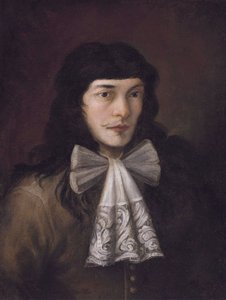
アレッサンドロ・マニャスコ
1667 - 1749 , イタリア
アーティスト情報
- Artistic Movement Or Style: バロック、ジャンル絵画
- Artists Or Movements Influenced By This Artist:
- マルコ・リッチ
- ジュゼッペ・バッツァーニ
- フランチェスコ・マッフェイ
- Artists Who Influenced This Artist:
- セバスティアーノ・リッチ
- ドメニコ・ピオラ
- グレゴリオ・デ・フェラーリ
- Date Of Birth: 1667年
- Date Of Death: 1749年
- Full Name: アレッサンドロ・マニャスコ
- Nationality: イタリア人
- Notable Artworks:
- 3人のカマルドスキ修道士
- 風景の中のカルテシアン修道士たち
- ラザロの復活
- Place Of Birth: ジェノヴァ(イタリア)
関連記事

バロックのドラマ:現代のインテリアに壮麗さと情感を取り込む
バロック様式の歴史、絵画、家具の魅力をご紹介。OriginalUniqueArtでは、高品質な油絵複製やカスタムポートレートをご提供し、現代のインテリアに壮麗さと情感を取り入れます。アートコンサルテーションも承ります。

Italian Baroque Unlocked: High-Drama Art That Hits Hard
Dive into the high-drama world of Italian Baroque art. Discover how chiaroscuro, intense emotion, and theatrical lighting redefined aesthetics. Explore the visceral power of the Counter-Reformation through a modern lens with expert insights from OriginalUniqueArt.com.

Drama and Light: A Definitive Guide to the Italian Baroque Masterpieces and the Revolution of Chiaroscuro
Explore the dramatic world of Italian Baroque art. Discover how masters like Caravaggio used chiaroscuro and tenebrism to revolutionize painting through light, shadow, and profound realism. A definitive guide for history lovers and art collectors.

バロック美術を極めた至宝:時代を彩る10大名作の世界
バロック美術の華!カラヴァッジョ、ベルニーニら巨匠が創り上げた10大名作を徹底解剖。ドラマチックな色彩と豪華絢爛の世界観に触れ、至宝のアートプリントで空間を彩ろう。OriginalUniqueArt.comで美術館品質の複製と洗練されたインテリアを見つけましょう!

The Dramatic Flourish: Exploring the Baroque Movement's Enduring Legacy in Art History
Explore the dramatic world of Baroque art! Discover iconic artists like Caravaggio & Rubens, defining techniques, and its lasting impact on art history. Expert insights for collectors & enthusiasts at OriginalUniqueArt.