プリント版に切り替え
 詳細を表示
詳細を表示







































 いずれかの辺が105 cm(約41インチ)を超えるアートワークまたは複製画の場合、フレームは分解されたキットの状態でお届けいたします。この方法は、輸送中の破損を防ぎ、安全に配送するために採用しております。


A Window Into the Soul: Albrecht Altdorfer’s “Diptych”
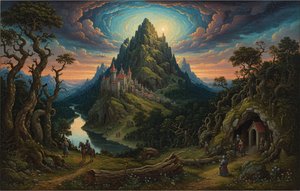
Albrecht Altdorfer's "Diptych," completed in 1507, isn’t merely a painting; it’s an invitation. A meticulously crafted wooden panel measuring just 24 x 21 centimeters, this work transcends its diminutive size to offer a profound glimpse into the artist’s unique vision and the burgeoning spirit of the Northern Renaissance. Housed within the Staatliche Museen in Berlin, the diptych presents two figures engaged in quiet contemplation beneath a richly detailed, almost dreamlike landscape – a scene brimming with symbolic weight and an undeniable sense of serenity.
Altdorfer, born in Regensburg around 1480, was a pivotal figure bridging the Gothic and Renaissance eras. He wasn’t simply *painting* landscapes; he actively reshaped how they were perceived within art. Rooted in his family's artistic lineage – his father, Ulrich Altdorfer, was a skilled miniaturist – Albrecht quickly distinguished himself as an innovator, moving beyond imitation to forge a distinctly personal style. The Danube River region, where he spent his formative years, profoundly influenced his work, imbuing it with a deep connection to the natural world and its inherent spirituality. This isn’t a straightforward depiction of nature; Altdorfer uses it as a vehicle for exploring human experience – the interplay between man and the environment, the search for wisdom, and perhaps even a hint of the divine.
The Composition: A Dance of Figures and Trees
At first glance, the scene appears simple: two men seated before a cluster of trees. However, closer inspection reveals an intricate web of detail and subtle symbolism. The figures themselves are rendered with remarkable realism – their robes meticulously depicted, their facial expressions conveying a quiet intensity. Yet, Altdorfer doesn’t rely solely on photographic accuracy; he employs a technique that blends meticulous observation with a touch of otherworldly mysticism. Notice the way the light filters through the branches, creating an ethereal glow and suggesting a realm beyond the purely material.
The trees themselves are particularly significant. In Altdorfer's work, they frequently represent wisdom, spiritual growth, or even the connection between heaven and earth. Their gnarled forms and dense foliage evoke a sense of ancient knowledge and enduring strength. The placement of the figures within this landscape is deliberate, creating a harmonious balance between human presence and natural grandeur. It’s as if Altdorfer is suggesting that true understanding comes not from dominating nature but from aligning oneself with its rhythms.
Symbolism and Technique: Earthy Tones and Layered Detail
Altdorfer's masterful use of earthy tones – ochres, browns, and greens – creates a sense of profound harmony and balance. These colors aren’t merely decorative; they are deeply rooted in the natural world, reflecting the artist’s reverence for the landscape. The painting is executed with remarkable detail, from the individual strands of hair to the texture of the robes. This meticulousness speaks to Altdorfer's dedication to his craft and his desire to capture not just the appearance but also the essence of his subjects.
The layering of paint—a technique known as *impasto*—adds a tactile quality to the work, inviting viewers to reach out and touch (though, of course, only through reproduction). This creates an illusion of depth and movement, drawing the eye into the scene and immersing it in its atmosphere. The subtle gradations of color and light further enhance this effect, transforming the painting into a captivating visual experience.
A Legacy of Innovation
Altdorfer’s work resonates with that of Matthias Grünewald, particularly his “St. Lawrence, St. Cyriacus,” sharing a similar emphasis on detail and symbolic richness. However, Altdorfer's contribution lies in his pioneering exploration of landscape as an integral element of narrative and spiritual expression – a characteristic that firmly establishes him as a key figure of the Danube School. His influence extended beyond painting; he was also a town architect and council member, demonstrating a remarkable versatility and engagement with his community.
Today, through meticulously crafted reproductions like those offered at OriginalUniqueArt.com, we can appreciate the profound beauty and enduring power of Altdorfer’s “Diptych.” It's an artwork that invites contemplation, sparking our own reflections on the relationship between humanity and the natural world – a timeless message rendered with breathtaking skill and sensitivity.
Q&A
アルブレヒト・アルトドルファー作「Diptych」の輝度はどの程度ですか?
アルブレヒト・アルトドルファー作「Diptych」 の記録された輝度は Dark です。
原画アルブレヒト・アルトドルファー作「Diptych」の技法とサイズを教えてください。
アルブレヒト・アルトドルファー作「Diptych」の技法はOilで、サイズは24 x 21 cmです。
「Diptych」の作者は?
「Diptych」の作者はアルブレヒト・アルトドルファーとされています。
この絵画の詳細を見る
 設置イメージを表示
 シェアする
シェアする シェアする
シェアする
 詳細を見る
詳細を見る ガイドを表示

 ダウンロード
 似ている作品
 X線調査
X線調査 スライドショーを表示
 Q&A
Q&A 統計情報
統計情報