 続きを読む
続きを読む


 いずれかの辺が105 cm(約41インチ)を超えるアートワークまたは複製画の場合、フレームは分解されたキットの状態でお届けいたします。この方法は、輸送中の破損を防ぎ、安全に配送するために採用しております。


More about this painting
Text size

() ·
A painting made for you, by hand
手描き油彩複製画
当社のアーティストが、お客様のご希望のサイズと額縁に合わせて、キャンバスに手描きで制作する油彩画です。 ( プリント版に切り替え デジタル画像販売へ切り替え)
コレクション詳細
Black & white photo of a nude female figure by Joaquín Sorolla. Capturing intimacy & light, this 1987 work showcases realism & texture in a shallow perspective.
アーティストプロフィール
Explore the prolific films of Alberto Franco manera (Jesús Franco), a Spanish filmmaker known for 173+ low-budget B-movies & unique cinematic style.
from ·
Chapter 1
How large should it be?
Slide to change the size; the picture on the left shows the frame at its real width. The proportions of the original are kept.
標準サイズ
カスタムサイズ
CM
INCH
作品のオリジナル比率に合わせた、当店の規定サイズからお選びください。
Loading sizes...

横幅
高さ
フレームや壁のスペースに合わせて、ご希望の幅と高さを入力してください。本作品は手描きのため、異なる比率のサイズをご希望の場合、絵画の周囲を少し広げて描くか、あるいは端を少しカットして調整することが可能です。お客様のご要望に合わせます。制作を開始する前に、仕上がりを確認するためのデジタルモックアップをお送りいたします。このページに表示されている画像は完成品の実物ではなく、あくまでモックアップによるイメージです。
Chapter 2
How should it arrive?
Choose the edges of the stretched canvas
Choose your frame

White ¥1

Blurside ¥1

Extended ¥1

P118B ¥10

P118H ¥10

P118W ¥10

P438Z ¥10

P508JH ¥12

P508YH ¥12

P805H ¥10

P805Z ¥10

P919BZ ¥10

P919G ¥10

P919XJ ¥10

P959ZH ¥10

P968JZ ¥12

W106C ¥8

W218G ¥10

W218JH ¥8

W218Y ¥10

W307PJ ¥10

W316G ¥10

W316PJ ¥8

W316Y ¥10

W398PJ ¥8

W4111J ¥10

W500HY ¥15

W500JH ¥15

W692G ¥12

W849H ¥8

W940BG ¥15

W953PJ ¥8

H24-GOLD ¥30

H24-SILVER ¥30

H36-GOLD ¥45

H36-SILVER ¥45
額装済み
Moulding: . Overall size with the frame: .
Chapter 3
Who paints it, and should anything change?
Examples of what can be changed: Replace face with customer photo; Add pet (e.g., replace cat with dog); Include hidden message in background; Change background landscape or elements.
After order, OriginalUniqueArt.com team will email client for instructions and provide a mockup preview
After order, OriginalUniqueArt.com team will email client for instructions and provide a mockup preview
世界中への配送()は、通常の5週間ではなく、3〜4週間でお届けいたします。(2 11月)。品質には一切妥協いたしません。
Chapter 4
The finishing touches
A nameplate, as in a museum?
刻印入りブロンズプレートの詳細
This elegant plaque features the artist's name and the title of the artwork, finely engraved for a timeless presentation.
It is made from bronze with a refined, elegant finish. The text is precisely laser-engraved for a sharp and permanent result. Measuring 9x2 cm, the plaque is compact yet easy to read. It's built to be durable and scratch-resistant, offering a professional, museum-quality look. Mounting is simple thanks to the included adhesive backing.
透明アクリル銘板の詳細
The plaque includes essential engraved details such as the artist's name, the title of the artwork, the date it was created, the type of media used-like oil on canvas or watercolor-a brief description of the piece, and a QR code that links to the complete artwork information.
It is crafted from clear acrylic, offering a sleek, modern appearance. The text is UV-engraved in black to ensure strong visual contrast. With a size of 10x15 cm, it ensures optimal readability. It comes equipped with two metal hooks for secure wall mounting. The plaque is designed to be weather-resistant, making it suitable for various environments, and it includes interactive features that work seamlessly with smartphone scanning.
黒アクリル製銘板の詳細
This elegant plaque includes engraved information such as the artist's name, the title of the artwork, the date it was created, the type of media used (like oil on canvas or watercolor), a short description of the artwork, and a QR code for quick access to more information.
The plaque itself is made from refined black acrylic with a premium finish. The text is laser-engraved in white for high contrast and readability. Its size is 10x15 cm, designed to be easy to read. It comes with two metal hooks for professional mounting. The design is sleek and fits any interior style. It is also weather-resistant and durable, with built-in digital integration for mobile compatibility.
A protective varnish?
When do you need it?
Chapter 5
Your painting, as you ordered it
Joaquín Sorolla
再現技法
複製画サイズ一覧
-
厳選された熟練アーティスト
より細部までこだわった表現、洗練された技術、そして十分な制作時間
-
複製画用額装
-
-
いずれかの辺が105 cm(約41インチ)を超えるアートワークまたは複製画の場合、フレームは分解されたキットの状態でお届けいたします。この方法は、輸送中の破損を防ぎ、安全に配送するために採用しております。
組み立てには専門知識が必要です(DIY用製品ではありません)。
本キットは、経験豊富なプロの額装師が、木工用ボンド(別売)、キャンバス用プライヤー、およびボンドの乾燥時に桟を直角に保持するためのクランプを使用して、組み立ておよびキャンバスの張り作業を行う必要があります。不適切な組み立てやキャンバスの張りの不均一は、作品に永久的な損傷を与える恐れがあり、弊社の保証対象外となります。
すべての無垢材のパーツが含まれており、組み立てに最適なサイズに正確にカットされています。
付属のネジを使用し、角の接合部には別途木工用ボンドをご用意ください(ボンドは付属しておりません)。ボンドは額装業者様にてご手配をお願いいたします。
プロ仕様の道具が必要ですが、キットには含まれていません:キャンバス用ストレッチングプライヤー(テンショナー)、および接着剤が乾燥するまで木枠を直角に固定するためのクランプ。
重要:
コーナーの接合部には木工用ボンドが必要です。また、ボンドが完全に乾くまでクランプでバーを固定しておく必要があり、組み立てたフレームにキャンバスを張るにはキャンバス用ストレッチングプライヤーが必要となります。これらの道具はキットに含まれておりません。このサイズをご注文される前に、経験豊富なプロの額装師(フライマー)の手配をお願いいたします。
銘板
-
-
保護用ワニス
光沢ワニス(色彩を鮮やかに引き立て、光や湿気から保護します)
-
作品をカスタマイズ
カスタマイズの例:顔をお客様の写真に差し替える、ペットを追加する(例:猫を犬に変更)、背景に隠しメッセージを入れる、背景の風景や要素を変更する。
-
お急ぎ便
世界中への配送()は、通常の5週間ではなく、3〜4週間でお届けいたします。(2 11月)。品質には一切の妥協を許しません。
-
お急ぎ便
世界中への配送()は、5週間ほどでお届けします。(9 11月)。
送料込
合計金額
¥ 47346
ガラスオプションは、110cm未満のサイズでのみご利用いただけます。
Included with every order
- 世界中へ無料エクスプレス配送
- 高品質なリネンキャンバス
- 配送時完全保険付
- 関税・輸入税の払い戻し保証
- 忠実な色彩再現の保証
- 100日間返品保証(製造上の欠陥がある場合のみ)
- 100% 全額返金保証
- まとめ買い割引のご案内
 設置イメージを確認
 送る
送る シェア
シェア
 詳細情報
詳細情報 ガイドを表示

 画像をダウンロード
 似ている作品
 X線調査
X線調査 スライドショー
 Q&A
Q&A 統計情報
統計情報In numbers
- 1987the year it was painted
- 29frames to choose from
- standard sizes, in its own proportions
- 5weeks to paint and deliver it
About the original

- 5.0 x 8.0 cm


著作権保護について
このページに掲載されている作品は著作権法によって保護されており、当社の許可なく同一の複製物を制作または販売することは法律で禁じられています。この保護は、以下のような国際条約に基づき執行されます。 ベルヌ条約 および、以下の条項に定められたものを含む各国の法律により、 米国著作権法 第17編。
敬意を払った法的な代替手段として、私たちはオリジナルにインスピレーションを与えられた、カスタムの手描きアートワークを提供しています。私たちの熟練したプロのアーティストは、元の作品が持つスタイル、情緒、そして芸術的なエッセンスを注意深く研究し、独自の創作物でありながら、同じ感性を呼び起こすような、新しくユニークな作品を作り上げます。
この手法は、著作権で保護された作品の複製や複写を伴わないため、著作権法に完全に準拠しています。これは単なる模倣ではなく、創造的な再解釈です。元の作品からインスピレーションを受けつつも、それとは異なる、全く新しい絵画を生み出すものです。

Alberto Franco Manera
1930 - 2013, Spain
Quick facts about Alberto Franco Manera
- Full Name: Alberto Franco Manera
- Nationality: Spanish
- Date Of Birth: 1930
- Date Of Death: 2013
- Place Of Birth: Madrid, Spain
- Notable Artworks: ['Joaquín Sorolla']
- Artistic Movement Or Style: Exploitation & B-movies
- Artists Who Influenced This Artist:
- Luis Buñuel
- Stanley Donen
アーティストについて
A Prolific Visionary: The Cinematic World of Alberto Franco Manera
Alberto Franco Manera, more widely known as Jesús Franco, was a truly singular figure in the landscape of 20th-century cinema. Born in Madrid in 1930 and passing away in 2013, his career spanned an astonishing six decades, yielding approximately 173 feature films – a testament to relentless creativity and a unique, often unconventional approach to filmmaking. While frequently categorized within the realms of exploitation and B-movies, reducing Franco solely to these labels overlooks the complex artistry and enduring cult following that defined his work. He wasn’t merely a director; he was a composer, actor, writer, producer – a one-man film factory who operated on the fringes of mainstream cinema, yet left an indelible mark on its history. His journey took him across Europe, from Spain to France, Germany, Switzerland, Portugal, Brazil and even Turkey, reflecting both a desire for creative freedom and the practicalities of low-budget production.Early Life and Diverse Beginnings
Franco’s upbringing was steeped in culture, hailing from a prominent family with Cuban and Mexican roots. His brother held a position within the Albéniz Foundation, and his sister's marriage connected him to the influential philosopher Julián Marías. This environment fostered an early appreciation for the arts, leading Franco to study music at the Madrid Royal Conservatory and the Instituto Ramiro de Maeztu. He was a dedicated jazz enthusiast and skilled pianist, talents he would later integrate directly into his films, composing scores for many of his productions. Before turning to directing, Franco honed his skills through various roles in the Spanish film industry – assisting directors like Joaquín Luis Romero Marchent and León Klimovsky, while simultaneously writing pulp novels under the pseudonym David Khune. This period was crucial in developing his multifaceted skillset and establishing a foundation for his future independent endeavors. He also directed stage plays, further broadening his artistic experience.The Rise of a Cult Director: Genre Exploration and Distinctive Style
Franco’s directorial debut came in 1959 with a handful of musicals and a crime drama titled *Red Lips*. However, it was the horror film *The Awful Dr. Orloff* (1962) that propelled him into prominence, gaining significant distribution in both the United States and the United Kingdom. This success sparked a prolific period of genre exploration. He fearlessly navigated diverse territories – from gothic horror to spy thrillers reminiscent of James Bond, and provocative erotic films often inspired by the works of the Marquis de Sade. What truly set Franco apart was his distinctive visual style. His films are characterized by atmospheric lighting, surrealist elements, and a willingness to push boundaries, even within the constraints of low budgets. He frequently directed multiple films concurrently, demonstrating an extraordinary capacity for multitasking and a singular vision that permeated all aspects of production.Influences and Artistic Legacy
Franco’s cinematic influences were remarkably broad, encompassing masters like Luis Buñuel, Stanley Donen, Vincente Minnelli, and Orson Welles. This eclectic mix is evident in his work, blending elements of surrealism, musicality, and stylistic flair. Despite often receiving mixed critical reception during his lifetime, Franco cultivated a dedicated cult following that continues to grow today. He’s now recognized as a significant figure in the history of exploitation cinema, celebrated for his idiosyncratic approach to filmmaking and his unwavering commitment to artistic expression. In 2009, he received an Honorary Goya Award from the Academy of Cinematographic Arts and Sciences of Spain, acknowledging his substantial contributions to Spanish cinema.Beyond Exploitation: A Unique Cinematic Voice
To categorize Franco solely as a director of exploitation films is to overlook the depth and complexity of his work. He was a true auteur, imbuing each film with his personal vision and challenging conventional cinematic norms. His films often explored themes of sexuality, power, and societal transgression, albeit through a distinctly unconventional lens. While his low-budget productions sometimes lacked polish, they were always brimming with creativity, atmosphere, and a unique sensibility that set him apart from his contemporaries. Alberto Franco Manera’s legacy extends far beyond the B-movie circuit; he was a prolific visionary who carved out his own niche in cinematic history, leaving behind a body of work that continues to fascinate and provoke audiences today.関連記事
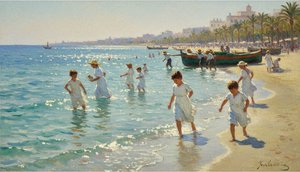
Joaquín Sorolla: Capturing Spanish Light & Life – A Legacy of Impressionism
Explore the luminous world of Joaquín Sorolla, Spanish master of Impressionism. Discover his life, techniques & legacy – a guide for art collectors and enthusiasts. Invest in timeless beauty.

White on Canvas: 10 Masterpieces & Timeless Elegance for Your Home Decor
Explore 10 iconic white paintings by Monet, Whistler & Rothko! Discover the stories behind these serene masterpieces and their impact on art history. Find museum-quality reproductions for your home decor at .

Monochrome Visions: Exploring the Aesthetic & Historical Significance of Black & White Photography
Explore the rich history & artistic power of black and white photography. From early techniques to iconic masters like Ansel Adams, discover why monochrome continues to captivate art lovers today. Expert insights for collectors.

Dark Masterpieces: 10 Iconic Paintings Dominated by Black Tones |
Explore 10 iconic paintings dominated by black tones, from Rembrandt’s chiaroscuro to Goya's dark expressions. Discover the stories behind these masterpieces & find museum-quality art reproductions for your home at .