

 設置イメージを確認
 送る
送る シェア
シェア
 詳細情報
詳細情報 ガイドを表示

 画像をダウンロード
 似ている作品
 X線調査
X線調査 スライドショー
 統計情報
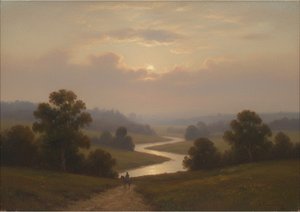
統計情報Misty Moonlight
 Oil On Canvas
- WallArt
- Tonalism & Symbolism
 1885
1885- 19th Century
 28.0 x 29.0 cm
 Crystal Bridges Museum of American Art
 続きを読む
続きを読む
手描き油彩複製画
当社のアーティストが、お客様のご希望のサイズと額縁に合わせて、キャンバスに手描きで制作する油彩画です。 ( プリント版に切り替え デジタル画像販売へ切り替え)




P118B ¥10

P118H ¥10

P118W ¥10

P438Z ¥10

P508JH ¥12

P508YH ¥12

P805H ¥10

P805Z ¥10

P919BZ ¥10

P919G ¥10

P919XJ ¥10

P959ZH ¥10

P968JZ ¥12

W106C ¥8

W218G ¥10

W218JH ¥8

W218Y ¥10

W307PJ ¥10

W316G ¥10

W316PJ ¥8

W316Y ¥10

W398PJ ¥8

W4111J ¥10

W500HY ¥15

W500JH ¥15

W692G ¥12

W849H ¥8

W940BG ¥15

W953PJ ¥8




作品のオリジナル比率に合わせた、当店の規定サイズからお選びください。

フレームや壁のスペースに合わせて、ご希望の幅と高さを入力してください。本作品は手描きのため、異なる比率のサイズをご希望の場合、絵画の周囲を少し広げて描くか、あるいは端を少しカットして調整することが可能です。お客様のご要望に合わせます。制作を開始する前に、仕上がりを確認するためのデジタルモックアップをお送りいたします。このページに表示されている画像は完成品の実物ではなく、あくまでモックアップによるイメージです。
ご注文後、OriginalUniqueArt.com チームより詳細な指示をお送りするとともに、仕上がりイメージ(モックアップ)をご提供いたします。


 ガラスオプションは、110cm未満のサイズでのみご利用いただけます。

Misty Moonlight
再現技法
複製画サイズ一覧
-


合計金額
¥ 47260
A Nocturne of Shadows and Light
In the quietude of the late nineteenth century, few artists captured the ephemeral essence of the American night as profoundly as Albert Pinkham Ryder. His masterpiece, Misty Moonlight (1885), serves as a hauntingly beautiful window into the soul of Tonalism, offering much more than a mere depiction of a seascape. The painting presents a serene yet melancholic vision of a nocturnal world, where a solitary sailing ship drifts through a sea of deep blacks and greenish grays. A luminous crescent moon hangs suspended in the hazy atmosphere, casting a soft, ethereal glow that seems to dissolve the boundaries between the water and the sky. This is not a scene of action, but one of profound stillness, inviting the viewer into a state of meditative contemplation.
The emotional resonance of this work lies in its ability to evoke a sense of mystery and longing. The sparse composition—a delicate dance of geometric forms including the rectangular expanse of the sea, the triangular silhouette of the vessel, and the circular moon—prevents any specific narrative from taking hold. Instead, the viewer is left to wander through the artist's dreamscape, feeling the weight of the heavy, damp air and the rhythmic, silent pulse of the tide. For the collector or interior designer, this piece offers a sophisticated anchor for a room, providing a focal point that commands attention through subtlety rather than spectacle.
The Alchemy of Unconventional Technique
To understand the mesmerizing texture of Misty Moonlight, one must look closely at Ryder’s radical approach to the medium. Eschewing the polished, academic precision favored by his contemporaries, Ryder embraced a method of deliberate instability. He was known for applying successive layers of oil paint while the underlying coats were still wet, a technique that allowed colors to bleed and merge in unpredictable ways. This process created the "gauzy" and atmospheric quality that defines his most celebrated works.
This layering does more than just create visual depth; it imbues the canvas with a physical materiality that feels alive. The resulting surface is often thick and textured, capturing light in a way that mimics the shifting mists of a coastal night. This mastery of atmosphere—achieved through what some might call "controlled chaos"—is precisely what makes a high-quality reproduction of this work so captivating. When rendered with care, the interplay of dark tones and soft highlights can transform a modern living space into a sanctuary of historical depth and artistic intrigue.
A Legacy of Symbolism and Inspiration
Ryder’s inspiration was deeply rooted in his formative years in New Bedford, Massachusetts, a bustling whaling port where the sea was an ever-present character in daily life. The maritime motifs found in Misty Moonlight are not merely decorative; they are echoes of a childhood spent amidst salt spray and moonlight. This connection to the American coast lends the painting an authentic, grounded spirit, even as it drifts into the realms of Symbolism.
As a pioneer of American Symbolism, Ryder used the landscape to represent internal emotional states. The ship, often a recurring motif in his oeuvre, can be seen as a symbol of the human journey through the unknown, navigating the murky waters of existence under the watchful eye of a distant, celestial light. For those seeking to decorate with purpose, incorporating such a piece allows for the introduction of profound storytelling into an environment. It is an invitation to look beyond the surface and find beauty in the shadows, making it an enduring choice for any curated collection of fine art.
よくあるご質問
アルバート・ピンクハム・ライダー作「Misty Moonlight」は、どのような色彩の調和を見せていますか?
アルバート・ピンクハム・ライダー作「Misty Moonlight」は、Unified Paletteな色彩の調和を見せています。
アルバート・ピンクハム・ライダー作「Misty Moonlight」の構図を主導している色は何ですか?
アルバート・ピンクハム・ライダー作「Misty Moonlight」の主色(メインカラー)はPhthalo Green (#2d2c27)です。
アルバート・ピンクハム・ライダー作「Misty Moonlight」の色彩の彩度はどの程度ですか?
アルバート・ピンクハム・ライダー作「Misty Moonlight」は、彩度Subtle Colorで記録されています。
アーティストについて
初期の生涯と芸術の芽生え
1847年3月19日、マサチューセッツ州ニューベドフォードに生まれたアルバート・ピンカム・ライダーは、アメリカ美術史においてどこか謎めいた存在であり続けています。彼の幼少期に関する詳細は乏しく、それは後に彼の画風を象徴することとなる「霧」の中に包まれています。しかし、彼が早くから芸術的な傾向を探求し始めていたことは確かです。故郷ニューベドフォードの風景を、未熟ながらも瑞々しい技術で捉えていました。活気ある捕鯨港の情緒に満ちたこの沿岸部での育ちは、間違いなく彼の想像力に消えない足跡を残し、その後のキャリアを通じて、繰り返されるインスピレーションの源泉として再び姿を現すことになります。
1860年代後半、ライダーの家族はニューヨークへと移り住みました。そこでは彼の兄がグリニッジ・ヴィレッジの名高いホテル・アルバートを経営していました。この転居により、若きアルバートは活気に満動する文化的環境に身を置くこととなり、芸術的な発展と新しい思想に触れる機会を得ました。家族の扶養という責任を果たしながらも、彼は絵画への情熱を追い続け、それが後の芸術的旅路の礎となったのです。
正統な修行とヨーロッパからの影響
ライダーの本格的な美術教育は、ニューヨークにてウィリアム・エドガー・マーシャルに師事することから始まりました。その後、彼はナショナル・アカデミー・オブ・デザインに入学し、1870年から1875年にかけて学びを深めました。1873年には自身の最初の作品を展示し、同時代の画家ジュリアン・アルデン・ウィアと生涯の友情を育みました。これらの形成期は、彼に伝統的な技法の強固な基礎を与え、確立された美術界へと彼を導くこととなりました。
しかし、ライダーの芸術的ビジョンは、単なるアカデミックな訓練の枠を超えていました。1877年から1903年の間に、彼は4度にわたるヨーロッパへの旅に出かけ、旧世界の芸術的な潮流に身を投じました。彼は特に、自然主義とプレネール(戸外制作)を重視するフランスのバルビゾン派や、情緒豊かな風景画と抑えられた色彩表現で知られるオランダのヘーグ派に強く惹かれました。これらの影響は彼の審美眼を深く形作り、彼独自のスタイルを確立させる決定的な要因となりました。
比類なき芸術的ビジョン:様式と主題
アルバート・ピンカム・ライダーの芸術的シグネチャーは、一目でそれと分かります。それは象徴主義(シンボリズム)とトナリズム、そして極めて個人的なヴィジョンが魅惑的に融合したものです。彼の描く絵画は、単なる現実の再現ではありません。むしろ、情緒、神秘、そして精神的な共鳴を吹き込んだ、自然に対する情熱的な解釈なのです。彼は、夢のような風景や海景の中に、輪郭が曖朧とした広大な形や様式化された人物を配置することを好み、幽玄でありながらもどこか心を捉えて離さない雰囲気を作り出しました。
ライダーの作品において、光は極めて重要な役割を果たしています。不気味な雲の間から差し込む薄暗い陽光や、月光の柔らかな輝きによって照らされる場面が多く、それが長い影を落とし、ドラマチックな感覚と内省的な情緒を増幅させます。彼は色彩を巧みに操り、繊細な変化と大気的な効果を生み出しました。しばしば限定されたパレットを用いることで、感情的なインパクトを最大限に引き出したのです。
故郷ニューベドフォードの海岸での幼い記憶にインスパイアされた『霧の月光(Misty Moonlight)』などの代表作は、個人的な体験を、憧憬と瞑想という普遍的な表現へと昇華させるライダーの才能を見事に体現しています。また、『ジークフリートとラインの乙女たち(Siegfried and the Rhine Maidens)』のような重要な作品は、神話や象徴への彼の深い傾倒を示しています。
晩年と不朽の遺産
1900年を過ぎると、ライダーの創作活動は著しく減少しました。彼は次第に隠遁的な生活を送るようになり、完璧を追い求める執念から、既存の絵画を何度も描き直すことに多くの時間を費やしました。こうした生産性の低下にもかかわらず、彼の初期の作品は変わらず注目と称賛を集め続けました。
アルバート・ピンカム・ライダーは1917年3月28日に世を去りましたが、彼が遺した作品群は、今日に至るまで観る者を魅了し続けています。1918年にニューヨークのメトロポリタン美術館で開催された追悼展は、アメリカ美術における重要人物としての彼の地位を不動のものとしました。
ライダーの影響は、同時代の画家たちに留まりません。形態、色彩、そして感情表現への彼のこだわりは、後の世代の芸術家たちの道を切り拓きました。その中には、抽象表現主義の重要な先駆者としてライダーを認めていたジャクソン・ポロックも含まれます。彼はアメリカにおけるトナリズムと象徴主義の開拓者として今なお讃えられており、その神秘的な絵画は、時代を超えて畏敬と驚嘆を呼び起こし続けています。
アルバート・ピンカム・ライダーの芸術における主要な特徴
- 夢幻的な雰囲気: 彼の風景画や海景画は、神秘性と異世界のような感覚を呼び起こします。
- 象徴主義と神話: 象徴的なイメージや、神話的な物語への言及が頻繁に用いられます。
- トナリズムの影響: 色彩の繊細な変化と、大気的な効果へのこだわりが見られます。
- 感情的な共鳴: 深い憧憬、瞑想、そして精神的な渇望を伝える絵画です。
- 独特な筆致: 全体の情緒と質感に寄与する、幅広く表現力豊かな筆使いが特徴です。

アルバート・ピンクハム・ライダー
1847 - 1917 , アメリカ合衆国
アーティスト情報
- Artistic Movement Or Style: トナリズム & シンボリズム
- Artists Or Movements Influenced By This Artist: ['ジャクソン・ポロック']
- Artists Who Influenced This Artist:
- バルビゾン派
- ハーグ派
- Date Of Birth: 1847年3月19日
- Date Of Death: 1917年3月28日
- Full Name: アルバート・ピンカム・ライダー
- Nationality: アメリカ
- Notable Artworks:
- 霧の月光
- 競馬場
- ジークフリートとラインの乙女
- Place Of Birth: アメリカ合衆国、ニューベドフォード
関連記事

American Realism's Defining Works: 10 Masterpieces for Your Home
Explore 10 defining American Realism masterpieces – Hopper, Homer & more. Discover the stories behind these iconic paintings and bring timeless art to your home with OriginalUniqueArt's museum-quality reproductions. Explore the full collection online.

Grant Wood & American Regionalism: Identity, Myth & the Rural Landscape
Explore the world of Grant Wood & American Regionalism with OriginalUniqueArt. Discover the symbolism behind 'American Gothic', recurring themes, and the movement's lasting impact on art history. High-quality reproductions available.
Atmospheric Visions: Exploring Tonalism in American Painting
Explore the captivating world of American Tonalism! Discover its history, key artists like Whistler & Inness, techniques, and lasting influence on art. Expert insights for collectors & enthusiasts.

Albert Bierstadt: Luminosity, Landscape & the American Ideal
Explore the breathtaking landscapes of Albert Bierstadt, master of the American West & a leading figure in the Hudson River School. Discover his luminous style and iconic paintings – a timeless investment for art lovers.

American Regionalism: A Crucible of Identity – Exploring Themes of Place, Labor & Social Commentary
Explore American Regionalism's powerful depiction of the American heartland during the Great Depression. Discover Grant Wood, Thomas Hart Benton & more. Expert analysis & high-quality art reproductions at OriginalUniqueArt.
