

 プレビュー
プレビュー
 シェアする
シェアする シェアする
シェアする
 詳細を見る
詳細を見る

 ダウンロード
 似ている作品
 X線調査
X線調査 スライドショー
 統計情報
統計情報Matisse in Manguin's Studio
 Oil On Canvas
- WallArt
- Fauvism
 1905
1905- Modern
 100.0 x 73.0 cm
 ポンピドゥー・センター国立近代美術館
 詳細を見る
詳細を見る
手描き油彩複製画
当社のアーティストが、お客様のご希望のサイズと額縁に合わせて、キャンバスに手描きで制作する油彩画です。 ( プリント版に切り替え デジタル画像販売へ切り替え)




P118B $10

P118H $10

P118W $10

P438Z $10

P508JH $12

P508YH $12

P805H $10

P805Z $10

P919BZ $10

P919G $10

P919XJ $10

P959ZH $10

P968JZ $12

W106C $8

W218G $10

W218JH $8

W218Y $10

W307PJ $10

W316G $10

W316PJ $8

W316Y $10

W398PJ $8

W4111J $10

W500HY $15

W500JH $15

W692G $12

W849H $8

W940BG $15

W953PJ $8




作品のオリジナル比率に合わせた、当店の規定サイズからお選びください。

特定のフレームやスペースに合わせて、ご希望のサイズをご入力いただけます。選択されたサイズが元の画像の比率と異なる場合、アートワークをトリミングするか、手描きで要素を追加して絵画を拡張いたします。デジタルモックアップ を制作し、制作開始前にご確認(承認)をいただきます。
画面上のプレビューは、実際のトリミングや拡張を正確に反映しているものではありません。最終的な構図は、モックアップによってのみ正確にご確認いただけます。
カスタムサイズもご利用いただけますが、元の比率を維持するためには、あらかじめ用意されたリストからサイズを選択することをお勧めいたします。
ご注文後、OriginalUniqueArt.com チームより詳細な指示をお送りするとともに、仕上がりイメージ(モックアップ)をご提供いたします。


 ガラスオプションは、110cm未満のサイズでのみご利用いただけます。

Matisse in Manguin's Studio
複製技法
複製画のサイズ
-


合計金額
$ 300
A Symphony of Color and Creative Spirit
In the heart of a sun-drenched Parisian atelier, Albert Marquet captures a moment that transcends mere observation, offering us a window into the very soul of the Fauvist revolution. Matisse in Manguin’s Studio, painted in 1905, is far more than a quiet depiction of two artists at work; it is a vibrant manifesto of color and light. As we gaze upon the canvas, we find ourselves transported to a space where the air feels charged with the electric energy of innovation. The scene depicts Henri Matisse deeply immersed in sketching, while Manguin observes, creating a profound sense of shared intellectual pursuit. Through Marquet’s eyes, the studio becomes a crucible of creation, a sanctuary where the boundaries of traditional art are being daringly redrawn.
The emotional resonance of this piece lies in its ability to evoke the palpable tension between stillness and movement. There is a quiet intimacy in the way the light filters through the windows, casting dappled shadows that dance across the textured surfaces. This interplay of light and shadow does not merely illuminate the room; it breathes life into the subjects, suggesting a world that is constantly shifting and evolving. For the collector or the designer, this painting offers an atmosphere of contemplative vitality, making it a centerpiece that can anchor a room with both historical weight and a modern, spirited pulse.
The Audacity of Fauvist Technique
To encounter this masterpiece is to witness a rebellion against the muted palettes of academic tradition. Marquet employs an audacious chromatic language, where searing reds clash violently yet harmoniously with vibrant yellows and lush greens. These are not merely colors used for representation; they are tools of emotional expression. Punctuated by sudden splashes of cobalt blue, the palette creates a rhythmic, almost musical quality that keeps the viewer's eye in constant motion. This technique, characteristic of the Fauvist movement, prioritizes the raw sensation of color over the literal depiction of form.
The physical texture of the painting further enhances its immersive quality. Marquet utilizes thick, impasto brushstrokes that build a palpable richness upon the canvas. These bold, visible marks are not striving for photorealistic perfection; instead, they celebrate the immediacy of the artist's gesture. The layering of pigment creates a tactile depth that invites the viewer to feel the energy of the brush itself. This heavy application of paint lends a sense of permanence and strength to the composition, ensuring that even as a reproduction, the work retains its commanding presence and sculptural intensity.
A Legacy of Artistic Connection
Beyond its visual splendor, Matisse in Manguin’s Studio serves as a poignant historical document. It captures a pivotal moment in art history when the friendship between Marquet and Matisse was fostering a new era of modernism. The studio setting symbolizes the collaborative essence of the artistic journey—the idea that true brilliance often emerges from dialogue, shared vision, and mutual inspiration. By bringing this work into a contemporary space, one does not just acquire a beautiful object; one invites a piece of the avant-garde spirit into the home.
For those looking to inspire a sophisticated interior, this artwork provides a perfect balance of complexity and warmth. Its organic shapes and expressive energy complement both minimalist modern settings and more classical, richly decorated rooms. It stands as a testament to the enduring power of the human spirit to find beauty in the act of creation, making it an incomparable choice for anyone seeking to surround themselves with art that speaks of passion, history, and the eternal dance of light.
アーティストの略歴
光と色彩に浸された生涯
1875年、フランスのボルドーに生まれたアルベール・マルケは、その芸術的旅路を、フォーヴィスムの爆発的なエネルギーから始まり、最終的には深く個人的な自然主義表現へと昇華させていきました。彼の幼少期は、15歳の時にパリに移り住み、École des Arts Décoratifsに入学したことが転機となりました。そこで彼はアンリ・マティスと出会い、その友情は彼にとって計り知れない影響を与えることになります。二人の若き芸術家は単なる親交を深めただけでなく、アトリエを共有し、互いの創作活動に刺激を与え合う環境を作り上げました。マルケはその後、ギュスターヴ・モローのもとでÉcole des Beaux-Artsにも在籍し、象徴主義の美学を吸収しながらも、独自の現代表現への道を切り開いていきました。これらの形成期は、彼が従来の芸術規範に挑戦し、美術界の風景を変革する展覧会に参加するための基礎を築いたのです。フォーヴィスムの激しさから穏やかな風景へ
マルケの芸術家としての台頭は、大胆な色彩と表現力豊かな筆致で知られるフォーヴィスムの誕生と coincidences. 彼は1905年のSalon d'Automneでマティス、アンドレ・デラン、モーリス・ド・ヴラマンクらと共に展示され、批評家から軽蔑的に「野獣たち(les fauves)」とレッテルを貼られました。フォーヴィスムのパレットを受け入れながらも、マルケのアプローチは常に独自のものでした。同時代の一部の芸術家が抑制のない色彩表現に没頭する一方で、彼は卓越した描写力と光のコントロールを持ち合わせており、微妙な色の調和を生み出すことに長けていました。この内なる抑制は、彼が後に自然主義的なスタイルへと進化していくことを予感させました。1910年頃からマルケは、純粋に表現的なフォーヴィスムから距離を置き始め、風景画を主要なテーマとして取り上げるようになりました。彼はヨーロッパや北アフリカ各地を旅し、港町、ビーチ、都市景観など、彼の成熟した作品の特徴となるインスピレーションを求めていきました。これらの旅は単なる場所の描写にとどまらず、大気、光、そして日常の生活における繊細な詩情を探求するものでした。大気と光の巨匠
マルケの芸術的ビジョンは、光と大気への深い感受性に基づいています。彼の風景画は単なる場所の再現ではなく、むしろムードや感覚の喚起なのです。彼は水面にきらめく反射、霧を通して差し込む太陽光のぼんやりとした輝き、そして特定の時間帯や季節を定義する微妙な色のニュアンスを見事に捉えました。彼は同じ場所を繰り返し訪れ、時間の経過とともに光がどのように変化するかを観察しました。これは、彼が移ろいゆく効果をとらえることへの献身を示しています。このことは、パリのセーヌ川を描いた数多くの作品、ノルマンディーの港町の風景、そして北アフリカの海岸線に顕著に表れています。彼の技法は、簡潔な筆致と控えめなパレット—グレー、青、黄土色—を特徴とし、彼が卓越した経済性をもって形態と大気を表現することを可能にしました。マティス自身も、マルケの作品と日本の画家・北斎との親和性を認め、両者の共通点として、書道的なシンプルさと線の喚起力があることを指摘しています。彼は見ているものを単に再現することに関心はなく、そこにいることの感覚をとらえようとしていました。遺産と永続的な影響
アルベール・マルケは1947年に逝去し、その静かな美しさと繊細な感情的深みで観客を魅了し続ける作品群を残しました。彼の絵画は、パリ国立近代美術館をはじめとする世界中の著名な美術館に所蔵されており、現代美術の歴史における彼の永続的な重要性を証明しています。当初フォーヴィスムの主要人物として認識されていましたが、マルケの遺産は、様式的なレッテルを超越し、独自の個人的なビジョンを創造したことにあります。彼は近代性を受け入れながらも、描写力や構成といった伝統的な価値観を犠牲にすることなく、それが可能であることを示しました。彼の影響は、自然界の儚い美しさを繊細さと抑制をもって捉えようとした後世の風景画家たちに見ることができます。マルケの芸術は、観察の力、光の重要性、そして穏やかで思慮深いビジョンの永続的な魅力を私たちに思い出させてくれます。彼は、日常の中に深遠な意味を見出すアーティストの証なのです。マルケの様式の主な特徴
- フォーヴィスムの始まり:初期作品は、同時代の一部の芸術家よりも抑制されたものの、フォーヴィスムの特徴である大胆な色彩パレットを示しています。
- 光と大気への重点:彼の成熟した作品を定義する特徴であり、光の質とそれが風景に及ぼす影響をとらえることに焦点を当てています。
- 控えめなパレット:大気や形態を経済的に表現するために、グレー、青、黄土色を好みます。
- 簡潔な筆致:細部を定義するのではなく示唆するために使用され、動きと光の感覚を高めます。
- 日本の芸術の影響:日本の版画に見られる書道的なシンプルさと線の喚起力への注目。

アルベール・マルケ
1875 - 1947 , フランス
基本情報
- Artistic Movement Or Style: フォーヴィスム、自然主義
- Artists Or Movements Influenced By This Artist: ['風景画家']
- Artists Who Influenced This Artist:
- アンリ・マティス
- ギュスターヴ・モロー
- Date Of Birth: 1875年
- Date Of Death: 1947年
- Full Name: アルベール・マルケ
- Nationality: フランス人
- Place Of Birth (City And Country): フランス、ボルドー
関連記事
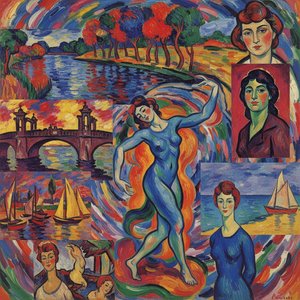
Fauvism's Boldest Visions: 10 Masterpieces That Revolutionized Modern Art | OriginalUniqueArt
Explore 10 Fauvist masterpieces by Matisse, Derain & Vlaminck that ignited Modern Art! Discover bold colors, expressionist landscapes & the history of this revolutionary movement. Find museum-quality prints at OriginalUniqueArt.com.

The Enduring Legacy of Oil on Canvas: Technique, History & Aesthetic Impact
Explore the rich history & techniques of oil painting – from Renaissance masters to Impressionism. Discover pigments, layering methods, and why this timeless medium endures. Expert insights for artists & art enthusiasts.

アンリ・マティスの傑作25選:色彩と情熱の軌跡|OriginalUniqueArt
アンリ・マティスの傑作25選🎨 色彩と情熱が織りなす世界を旅する。フォーヴィスム代表の巨匠、マティスの絵画の魅力と歴史を紐解きます。OriginalUniqueArtで高品質なアートプリントや複製画を見つけ、インテリアに芸術的な輝きを✨ Explore the full collection online
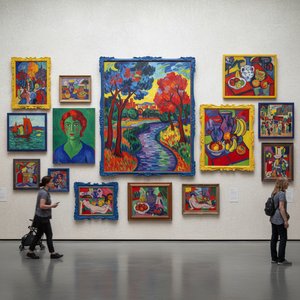
至福の色彩が彩る:フォーヴィズムを定義づけた10大名作
鮮烈な色彩が時代を席巻!フォーヴィズムを代表する10大名作を徹底解剖。マティスら巨匠の技と情熱に触れ、アートの新たな世界を発見。OriginalUniqueArt.comで至高の美術館級レプリカと洗練されたインテリアアイデアを見つけよう。

Bold Strokes & Powerful Visions: 10 Artworks That Command Attention | OriginalUniqueArt
Experience art's raw power! Explore 10 iconic paintings – Van Gogh, Kahlo & more – that define 'bold'. Discover the stories behind these expressive masterpieces and find museum-quality reproductions for your home at OriginalUniqueArt.com.