

 設置イメージを確認
 送る
送る シェア
シェア
 詳細情報
詳細情報 ガイドを表示

 画像をダウンロード
 似ている作品
 X線調査
X線調査 スライドショー
 統計情報
統計情報Blossoms
 Oil On Canvas
- WallArt
- Pre-Raphaelite
 1881
1881 46.0 x 147.0 cm
 テート・ブリテン
 続きを読む
続きを読む
手描き油彩複製画
当社のアーティストが、お客様のご希望のサイズと額縁に合わせて、キャンバスに手描きで制作する油彩画です。 ( プリント版に切り替え デジタル画像販売へ切り替え)




P118B ¥10

P118H ¥10

P118W ¥10

P438Z ¥10

P508JH ¥12

P508YH ¥12

P805H ¥10

P805Z ¥10

P919BZ ¥10

P919G ¥10

P919XJ ¥10

P959ZH ¥10

P968JZ ¥12

W106C ¥8

W218G ¥10

W218JH ¥8

W218Y ¥10

W307PJ ¥10

W316G ¥10

W316PJ ¥8

W316Y ¥10

W398PJ ¥8

W4111J ¥10

W500HY ¥15

W500JH ¥15

W692G ¥12

W849H ¥8

W940BG ¥15

W953PJ ¥8




作品のオリジナル比率に合わせた、当店の規定サイズからお選びください。

フレームや壁のスペースに合わせて、ご希望の幅と高さを入力してください。本作品は手描きのため、異なる比率のサイズをご希望の場合、絵画の周囲を少し広げて描くか、あるいは端を少しカットして調整することが可能です。お客様のご要望に合わせます。制作を開始する前に、仕上がりを確認するためのデジタルモックアップをお送りいたします。このページに表示されている画像は完成品の実物ではなく、あくまでモックアップによるイメージです。
ご注文後、OriginalUniqueArt.com チームより詳細な指示をお送りするとともに、仕上がりイメージ(モックアップ)をご提供いたします。


 ガラスオプションは、110cm未満のサイズでのみご利用いただけます。

Blossoms
再現技法
複製画サイズ一覧
-


合計金額
¥ 47606
A Moment Frozen in Time: Exploring Albert Moore’s ‘Blossoms’
Albert Joseph Moore's “Blossoms,” completed in 1881, stands as a quintessential example of Pre-Raphaelite Romanticism—a testament to meticulous observation and an unwavering devotion to beauty. More than just a depiction of flowers, it embodies a profound meditation on femininity, stillness, and the delicate interplay between nature and artifice. This captivating oil painting resides within the Tate Gallery’s collection, offering viewers a glimpse into the artistic sensibilities of Victorian England.The Composition: A Symphony of Lines and Shapes
Moore skillfully employs geometric principles to orchestrate his scene. The vertical format dominates the canvas, emphasizing height and conveying a sense of grandeur—a deliberate echo of classical sculpture. Within this framework, a woman occupies the central position, draped in flowing pink robes that cascade downwards like petals themselves. Her posture exudes serenity, mirroring the tranquil beauty of the surrounding blossoms. Lines are smooth and curving, particularly evident in the drapery and flower stems, creating an organic flow that guides the eye across the composition. Shapes are predominantly curvilinear—the woman’s form, the floral arrangement, and the folds of fabric—reflecting the influence of Japanese prints, a burgeoning trend during Moore's time which championed subtle coloration and decorative patterns.Technique: Impasto and Detail – Capturing Essence
Moore’s technique is characterized by impasto—thickly applied paint—which lends textural richness to the artwork. This deliberate layering builds depth and simulates the tactile qualities of real blossoms, inviting viewers to imagine the velvety softness of petals and the delicate fragrance of flowers. The artist's meticulous brushwork captures every nuance of light and shadow, enhancing the sense of realism while simultaneously elevating the painting beyond mere representation. Careful attention is paid to detail—the intricate folds of fabric, the subtle variations in color within the blossoms—demonstrating Moore’s unwavering commitment to capturing the essence of his subject matter.Symbolism: White Flowers and Crimson Curtain – Layers of Meaning
The choice of white flowers as a backdrop speaks volumes about purity and remembrance—themes frequently explored by Pre-Raphaelite artists. They symbolize innocence, virtue, and spiritual contemplation, aligning perfectly with Moore’s artistic vision. Conversely, the crimson curtain introduces an element of drama and passion, hinting at hidden emotions or perhaps suggesting a secret rendezvous. This juxtaposition reinforces the painting's contemplative mood while simultaneously stimulating intellectual curiosity. The artist’s use of color is restrained yet purposeful—primarily pinks and reds—creating a harmonious palette that complements the floral motif and enhances its visual impact.Historical Context: Japonisme and Victorian Aestheticism
“Blossoms” emerged during the height of Japonisme—the fascination with Japanese art and culture among Western European artists—a movement fueled by Commodore Perry’s opening of Japan to trade in 1853. Moore embraced these aesthetic principles, prioritizing decorative design and subtle coloration over literal realism. This aligns seamlessly with Victorian Aestheticism, which championed beauty for its own sake and rejected didactic narratives. The painting exemplifies the Pre-Raphaelites' desire to recapture the spirit of medieval art—characterized by idealized forms and luminous colors—a reaction against the prevailing academic conventions of the era. Moore’s masterpiece continues to inspire admiration for its exquisite craftsmanship and profound artistic vision, securing its place as a cornerstone of Victorian Romanticism.よくあるご質問
アルバート・ジョセフ・ムーア作「Blossoms」 に似た作品を見つけるにはどうすればよいですか?
アルバート・ジョセフ・ムーア作「Blossoms」に似た作品は、作品の似ている作品ページにまとめられています。
「Blossoms」の色は、どの程度の光を反射しているように見えますか?
アルバート・ジョセフ・ムーア作「Blossoms」 の記録された輝度は Gentle Luminance です。
「Blossoms」のガイドはどこにありますか?
アルバート・ジョセフ・ムーア作「Blossoms」には、ガイドページをご用意しています。これは、学生や教室での学習用に設計された、印刷可能な作品解説シートです。
アーティストについて
生い立ちと教育
アルバート・ジョセフ・ムーアは、イギリスの絵画史にその名を刻む高名な画家であり、1841年9月4日、英国ヨークにて生を受けました。彼は、著名な肖像画家であったウィリアム・ムーアとその第二夫人サラ・コリンガムとの間に生まれた、十三男にして十四番目の子供でした。ムーア家は芸術に縁の深い家庭であり、彼の多くの兄弟たちもまた芸術家としての教育を受けていました。その中には、海を描くことで知られる著名な画家、ヘンリー・ムーア(R.A.)も含まれています。アルバート自身もヨークのアーチビショップ・ホルゲート校やセント・ピーターズ校で学び、同時に父から直接、デッサンや絵画の真髄を伝授されました。芸術的キャリア
ムーアの初期の作品には、批評家ラスキンの強い影響が見て取れます。1857年にはすでにロイヤル・アカデミーでの展示を果たしており、そこではゴシキヒワやバンデュウといった繊細な自然の姿を披露していました。彼の芸術的スタイルは時を経て進化を遂げ、1860年代に入ると、際立った新古典主義的な色彩を帯びるようになります。この時期のムーアは、モリス、マーシャル、フォークナー&カンパニーのためにタイルや壁紙、ステンドグラスのデザインを手がける一方で、教会や邸宅における壁画画家としてもその才能を発揮しました。<ブル>
代表作とスタイル
ムーアの描く絵画は、様式化された比率を持つ一人の女性像、新古典主義的なドレーパリー(衣襞)、そして花々の装飾を特徴としており、これらは「アエステティック・ムーブメント(唯美主義運動)」の主要な潮流を確立することとなりました。彼の代表的な作品には以下のようなものがあります:- 大理石の椅子(1865年):純粋に装飾的な美を追求した、長いシリーズ作品の一つ
- エリヤの犠牲(1863年):フォード・マドックス・ブラウンやエドワード・アーミテッジの影響を色濃く反映した作品
- 四季と風の愛:マカロック氏のために描かれた、最も精緻で丹念な労力が注ぎ込まれた傑作
美術館とコレクション
ムーアの作品は、現在も様々な美術館に収蔵され、その美しさを伝えています:- ヨーク・ミュージアムズ・トラスト(英国ヨーク):キンザン(キンザン)などの絵画を所蔵
- ロイヤル・アカデミー(英国ロンドン):ムーアが頻繁に作品を展示した場所
遺産と晩年
ムーアは、社交においても芸術においても、常に自らの判断のみを信じて突き進みました。その妥協のない姿勢は、時にロイヤル・アカデミーへの入会において障壁となることもありました。晩年は、治癒の困難な苦痛を伴う病に苦しみながらも、1893年9月25日にこの世を去るその瞬間まで、創作活動の手を止めることはありませんでした。- アルバート・ジョセフ・ムーアのさらなる作品をこちらでご覧いただけます: https://OriginalUniqueArt.com/@/albertjosephmoore
- ヨーク・ミュージアムズ・トラストのコレクションを探索する: https://OriginalUniqueArt.com/@@/as844t-albert-joseph-moore-kingcups
- アエステティック・ムーブメントとその著名な芸術家について詳しく知る: https://en.wikipedia.org/wiki/aesthetic_movement

アルバート・ジョセフ・ムーア
1841 - 1893 , イギリス
アーティスト情報
- Artistic Movement Or Style: アーツ・アンド・クラフツ運動(美的運動)
- Artists Who Influenced This Artist:
- ラスキン
- フォード・マドックス・ブラウン
- エドワード・アーミテッジ
- Date Of Birth: 1841年9月4日
- Date Of Death: 1893年9月25日
- Full Name: アルバート・ジョセフ・ムーア
- Nationality: イギリス
- Notable Artworks:
- 大理石の椅子
- エリヤの犠牲
- 四季の愛
- Place Of Birth: イギリス、ヨーク
関連記事

Pre-Raphaelite Romanticism: A Guide to Vivid Detail and Medieval Beauty in Victorian Art
Explore the vivid detail and medieval beauty of Pre-Raphaelite Romanticism. Discover the history of masters like Rossetti and Millais through our expert guide to Victorian art, perfect for collectors and professionals seeking authentic, museum-quality reproductions.

ダンテ・ガブリエル・ロセッティ傑作25選:美と象徴が織りなす芸術の世界 | OriginalUniqueArt
ダンテ・ガブリエル・ロセッティの傑作25選。プレラファエライトの象徴主義、美しい女性画の世界へ。油絵やアートプリントで、リビングや寝室を彩るインテリアアートを見つけましょう。OriginalUniqueArt.comで名画コレクションを探索。

Sir John Everett Millais: Pre-Raphaelite Rebellion & Victorian Narrative Detail
Explore the revolutionary art of Sir John Everett Millais & the Pre-Raphaelite Brotherhood. Discover their radical realism, symbolic narratives, and lasting impact on Victorian aesthetics. A deep dive into 19th-century masterpieces.
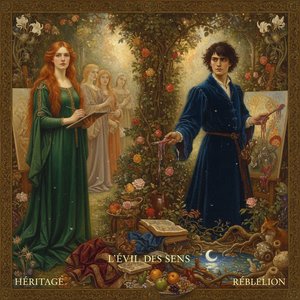
The Pre-Raphaelite Brotherhood: Reclaiming Beauty, Nature, and Truth in Victorian Art History
Explore the revolutionary Pre-Raphaelite Brotherhood. Discover how these visionary artists rejected academic tradition to reclaim beauty, nature, and truth through luminous detail and literary depth in Victorian art history.

The Pre-Raphaelite Brotherhood: Rediscovering Beauty, Romance, and Medieval Magic in Victorian Art
Embark on a journey through the Pre-Raphaelite Brotherhood. Discover the romantic symbolism, medieval magic, and radical beauty of Rossetti and Burne-Jones in this expert exploration of Victorian art history.