

 プリントを購入
 シェアする
シェアする シェアする
シェアする
 詳細を見る
詳細を見る

 ダウンロード
 似ている作品
 スライドショー
The Visitation


 詳細を見る
詳細を見る




































作品のオリジナル比率に合わせた、当店の規定サイズからお選びください。

特定のフレームやスペースに合わせて、ご希望のサイズをご入力いただけます。選択されたサイズが元の画像の比率と異なる場合、アートワークをトリミングするか、手描きで要素を追加して絵画を拡張いたします。デジタルモックアップ を制作し、制作開始前にご確認(承認)をいただきます。
画面上のプレビューは、実際のトリミングや拡張を正確に反映しているものではありません。最終的な構図は、モックアップによってのみ正確にご確認いただけます。
カスタムサイズもご利用いただけますが、元の比率を維持するためには、あらかじめ用意されたリストからサイズを選択することをお勧めいたします。
ご注文後、OriginalUniqueArt.com チームより詳細な指示をお送りするとともに、仕上がりイメージ(モックアップ)をご提供いたします。


 ガラスオプションは、110cm未満のサイズでのみご利用いただけます。

The Visitation
複製技法
複製画のサイズ
-


合計金額
$ 325
A Sacred Narrative in Wood: Echoes of Gothic Devotion
To stand before this exquisite piece is to step directly into the heart of fifteenth-century devotion. Though the painting we know from Adriaen Van Wesel’s oeuvre captures a moment of intimate visitation, the object described here—a deeply carved wooden sculpture—transports us instead to the profound mystery of the Annunciation. This three-dimensional tableau is not merely an artistic rendering; it is a tangible prayer, meticulously wrought in wood that seems to breathe with centuries of sacred contemplation. The very material speaks of permanence and reverence, grounding the divine narrative within the enduring beauty of hardwood.
Mastery of Form: Gothic Lines and Organic Grace
The style immediately evokes the grandeur and spiritual intensity of the Gothic period. Observe how the figures are rendered; their forms possess an elongated elegance, a characteristic grace that lifts the earthly into the ethereal. The drapery is not simply cloth but seems to flow with narrative energy, each fold carved with painstaking attention to capture weight and movement simultaneously. This commitment to line—strong, flowing, and precise—defines both the human figures and the architectural setting of the scene. While the overall composition suggests a sacred enclosure, perhaps a small tower or gatehouse, it is within this contained space that the drama unfolds, drawing the viewer into its solemn embrace.
The Alchemy of Wood: Technique and Texture
The technical brilliance here lies in the medium itself. This piece is a testament to the supreme skill of the master carver. The texture is overwhelmingly wood grain, which the artist has not merely replicated but celebrated. One can almost feel the subtle ridges and depths achieved through meticulous carving. The lighting, though inherent to the sculpture’s design, suggests a directional glow that plays across the carved surfaces, creating deep shadows that amplify the three-dimensionality of the scene. This interplay between light and shadow gives the piece an astonishing vitality, making the narrative leap out from the wood itself.
Symbolism and Spiritual Resonance
At its core, this sculpture captures one of Christianity’s most pivotal moments: the announcement of divine grace. The Annunciation is more than a story; it is a theological concept made visible—the moment when the sacred intersects with the human. Symbolically, the piece speaks to faith, obedience, and the dawn of salvation. For the modern collector or designer, this resonance is key. It offers an immediate focal point for any space desiring an atmosphere of profound contemplation, elevating the room from mere dwelling to a sanctuary.
A Timeless Heirloom for the Modern Collector
To own such a piece is to possess a fragment of history, a dialogue with the artistic genius of Adriaen Van Wesel’s era. While the original dates back to 1475, its enduring power transcends time. Whether displayed as a singular devotional object or integrated into an interior design scheme that values artisanal depth, this sculpture promises not just decoration, but conversation—a quiet, powerful reminder of divine mystery rendered in exquisite wood.
アーティストの略歴
The Sculptor of Utrecht: The Life and Legacy of Adriaen van Wesel
In the heart of the fifteenth century, amidst the shifting political tides of the Burgundian Wars, a profound artistic voice emerged from the cobblestone streets of Utrecht. Adriaen van Wesel, born around 1417, was far more than a mere craftsman; he was a pivotal figure in the burgeoning landscape of Early Netherlandish Art. While history often casts a spotlight on the grander names of the Renaissance, Wesel’s presence in the Low Countries was foundational, bridging the gap between the rigid traditions of Gothic sculpture and the emotive, humanistic innovations that would soon define the Northern Renaissance.
Wesel’s early years were deeply rooted in the workshop traditions of his native Netherlands. It is widely believed that he received his formative training under Nicolaas Gerlschmidt, a master sculptor whose influence instilled in Wesel the essential principles of Gothic form. From this lineage, Wesel inherited a meticulous devotion to detail and a profound respect for the structural integrity of his medium. However, as his skill matured, so too did his ability to breathe life into inanimate materials. He moved beyond simple ornamentation, developing a sophisticated mastery of woodcarving that allowed him to manipulate texture and light, creating works that seemed to pulse with an internal, spiritual vitality.
Mastery of Form and the Divine Narrative
The true brilliance of Wesel’s oeuvre lies in his ability to marry technical precision with deep emotional resonance. His sculptural endeavors were frequently commissioned by the most prestigious ecclesiastical institutions of his time, most notably the St Janskerk in Utrecht. In these sacred spaces, his work served as a visual conduit for piety, translating complex biblical narratives into tangible, relatable human experiences. One cannot discuss his legacy without reflecting on his celebrated masterpiece, ‘The Visitation’, currently preserved in the Museum Van Loon.
In this work, Wesel demonstrates an extraordinary command over the nuances of the human condition. Through the use of expressive drapery—folds of cloth that seem to catch the very air of the sanctuary—and a masterful depiction of facial expressions, he captures the profound gravity of the encounter between Mary and Elizabeth. His sculptures, such as the standing figure of St. Agnes, are characterized by a sense of quiet contemplation and a startling realism that anticipates the anatomical focus of later centuries. Whether working in relief or creating free-standing figures, Wesel’s hand is always evident in the delicate portrayal of emotion and the sophisticated use of light and shadow.
A Citizen of Utrecht: Artistry and Civic Duty
What distinguishes Adriaen van Wesel from many of his contemporaries was his profound integration into the civic fabric of his city. He was not a cloistered artist, but a prominent leader whose influence extended far beyond the sculptor's studio. His life was a testament to the intersection of artistic creation and public service. As a respected member of the town council and a commander within the local militia, Wesel played an active role in defending Utrecht’s autonomy during a period of intense political upheaval.
This dual identity as both a creator and a protector shaped his historical significance. His commitment to the stability of Utrecht allowed him to foster a period of artistic patronage that supported not only his own workshop but the wider community of Netherlandish artists. The following elements define his multifaceted impact:
- Artistic Innovation: He played a crucial role in evolving Gothic sculpture into a more naturalistic, emotive style that paved the way for the Northern Renaissance.
- Civic Leadership: His positions on the town council and within the militia solidified his status as one of Utrecht's most influential and respected citizens.
- Cultural Preservation: Through his monumental commissions for churches like St Janskerk, he helped establish a lasting visual identity for the region's religious life.
- Technical Legacy: His mastery of woodcarving and anatomical detail left an indelible mark on the development of Dutch sculptural traditions.
As we look back upon the life of Adriaen van Wesel, we see a man whose hands shaped both the physical beauty of his city and its political resilience. Though the centuries have passed, the serene gaze of his saints and the intricate folds of his carved drapery continue to whisper the stories of a transformative era in European art.

adriaen van wesel
1415 - 1490 , Netherlands
基本情報
- Artistic Movement Or Style: Early Netherlandish Art
- Artists Or Movements Influenced By This Artist: ['Hugo van der Goes']
- Artists Who Influenced This Artist:
- Jan van Eyck
- Rogier van der Weyden
- Date Of Birth: ca. 1417
- Date Of Death: 1499
- Full Name: Adriaen van Wesel
- Nationality: Dutch
- Notable Artworks:
- The Visitation
- Joseph with Musician Angels
- Place Of Birth: Utrecht, Netherlands
関連記事
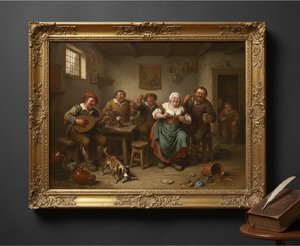
Adriaen van Ostade: A Master of Dutch Genre Painting & Social Commentary
Explore the life & work of Adriaen van Ostade, a leading Dutch Golden Age painter. Discover his realistic genre scenes, social commentary, and lasting influence on art history. Learn more at OriginalUniqueArt.

レンブラント傑作25選:光と影の巨匠、魂を揺さぶる名画の世界 | OriginalUniqueArt
レンブラントの傑作25選。光と影の魔術師が描いた魂を揺さぶる名画の世界へ。美術史に残る自画像、夜警、宗教画…OriginalUniqueArtで高品質なアートプリントやインテリアアートをお楽しみください。コレクションはこちら→

Jan van Goyen: Master of Dutch Landscape & Atmospheric Perspective
Discover Jan van Goyen, the master of Dutch landscape painting. Explore his subtle technique, atmospheric realism & lasting influence on art history. Learn about this 17th-century pioneer at OriginalUniqueArt.

Willem van de Velde the Elder: Master of Maritime Painting & Chronicler of the Dutch Golden Age
Discover the captivating maritime paintings of Willem van de Velde the Elder, a master chronicler of the Dutch Golden Age. Explore his unparalleled realism and lasting influence on naval art history.
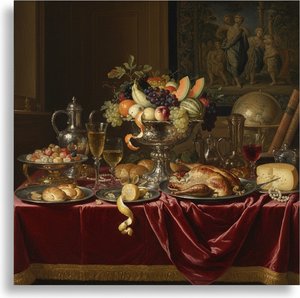
Abraham Hendricksz van Beyeren: Pioneering Dutch Still Life & the Banquet Tradition
Explore the captivating world of Dutch Golden Age still life with Abraham van Beyeren. Discover his innovative techniques, symbolic banquet scenes & lasting influence on art history. Learn about collecting these masterpieces.

