
 プレビュー
プレビュー
 シェアする
シェアする シェアする
シェアする
 詳細を見る
詳細を見る

 ダウンロード
 似ている作品
 X線調査
X線調査 スライドショー
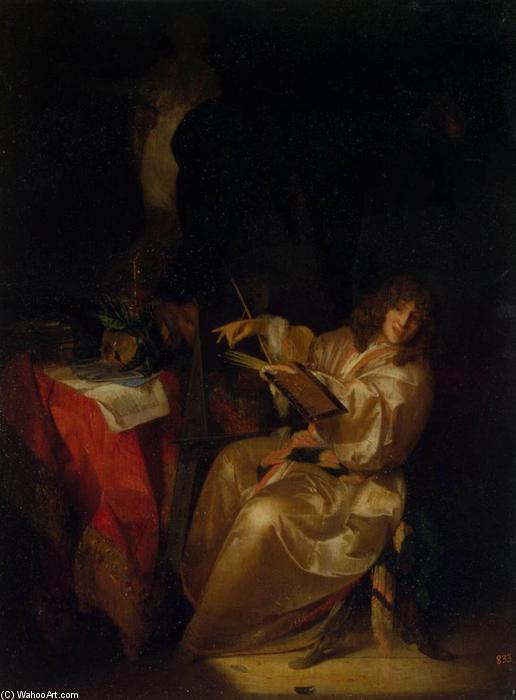
Self-Portrait
 Acrylic On Canvas
- WallArt
- Dutch Baroque
 1696
1696 39.0 x 29.0 cm
 エルミタージュ美術館
 詳細を見る
詳細を見る
手描き油彩複製画
当社のアーティストが、お客様のご希望のサイズと額縁に合わせて、キャンバスに手描きで制作する油彩画です。 ( プリント版に切り替え 画像に切り替え)




P118B $10

P118H $10

P118W $10

P438Z $10

P508JH $12

P508YH $12

P805H $10

P805Z $10

P919BZ $10

P919G $10

P919XJ $10

P959ZH $10

P968JZ $12

W106C $8

W218G $10

W218JH $8

W218Y $10

W307PJ $10

W316G $10

W316PJ $8

W316Y $10

W398PJ $8

W4111J $10

W500HY $15

W500JH $15

W692G $12

W849H $8

W940BG $15

W953PJ $8




作品のオリジナル比率に合わせた、当店の規定サイズからお選びください。

特定のフレームやスペースに合わせて、ご希望のサイズをご入力いただけます。選択されたサイズが元の画像の比率と異なる場合、アートワークをトリミングするか、手描きで要素を追加して絵画を拡張いたします。デジタルモックアップ を制作し、制作開始前にご確認(承認)をいただきます。
画面上のプレビューは、実際のトリミングや拡張を正確に反映しているものではありません。最終的な構図は、モックアップによってのみ正確にご確認いただけます。
カスタムサイズもご利用いただけますが、元の比率を維持するためには、あらかじめ用意されたリストからサイズを選択することをお勧めいたします。
ご注文後、OriginalUniqueArt.com チームより詳細な指示をお送りするとともに、仕上がりイメージ(モックアップ)をご提供いたします。


 ガラスオプションは、110cm未満のサイズでのみご利用いただけます。

Self-Portrait
複製技法
複製画のサイズ
-


合計金額
$ 300
作品解説
A Window Into Baroque Soul: Exploring Adriaen van der Werff’s Self-Portrait
Adriaen van der Werff's Self-Portrait stands as an emblem of Dutch Golden Age artistry—a testament to meticulous observation and profound psychological insight. Completed in 1696, this oil on panel painting resides within the hallowed halls of The Hermitage Museum in St. Petersburg, Russia, ensuring its legacy continues to inspire admiration centuries later. More than just a depiction of an individual, it’s a masterful distillation of Baroque principles, inviting viewers into a contemplative dialogue about identity and artistic ambition.Style and Technique: Mastering Light and Shadow
The painting embodies the stylistic hallmarks of its era—a deliberate rejection of idealized beauty in favor of realism imbued with dramatic emotion. Van der Werff's technique is characterized by an unparalleled command of chiaroscuro, skillfully manipulating light and shadow to sculpt form and convey mood. Layers upon layers of pigment were painstakingly applied, allowing for gradual drying times that maximized control over texture and luminosity. The artist’s gaze directly confronts the viewer, establishing a palpable intimacy—a hallmark of Baroque portraiture intended to capture not merely appearance but also inner character. Notice how the subtle illumination highlights the contours of his face and clothing, creating an illusion of depth and dimensionality that transcends mere representation.Historical Context: Reflecting Enlightenment Ideals
Painted during the height of Dutch intellectual fervor – a period marked by burgeoning scientific inquiry and philosophical debate – Van der Werff’s Self-Portrait speaks to the broader cultural currents of its time. The Baroque aesthetic, originating in Italy, prioritized grandeur and theatricality alongside emotional intensity; this painting exemplifies these ideals through its formal composition and dramatic use of light. Furthermore, it aligns with the emerging fascination for psychological portraiture, reflecting a desire to delve beneath surface appearances and explore the complexities of human consciousness—a trend foreshadowed by thinkers like Descartes and Leibniz. The inclusion of a book symbolizes erudition and intellectual contemplation, mirroring the values championed during the Enlightenment.Symbolism: Beyond Appearance – An Examination of Inner Reflection
The posture of Van der Werff—seated calmly with his gaze fixed outward—suggests introspection and self-awareness. This deliberate positioning underscores the painting’s symbolic significance, inviting viewers to contemplate themes of contemplation, dignity, and artistic vocation. The robe he wears is a common motif in portraits of wealthy patrons, signifying status and authority but also hinting at moral virtue – an important consideration within the Baroque worldview. The book itself serves as a potent emblem of knowledge and intellectual pursuit, reinforcing the artist’s commitment to both craftmanship and philosophical inquiry.Emotional Impact: Capturing the Essence of Human Experience
Ultimately, Van der Werff's Self-Portrait transcends mere visual representation; it succeeds in conveying a profound sense of human emotion—a quiet confidence mingled with thoughtful contemplation. The painting’s enduring appeal lies in its ability to resonate with viewers across time and culture, prompting reflection on questions of identity, ambition, and the pursuit of wisdom. It remains a captivating example of Baroque artistry – a beautifully rendered image that speaks volumes about the artist's inner life and his masterful grasp of artistic technique.アーティストの略歴
アドリアーン・ファン・デル・ヴェルフ:オランダ・バロックの巨星
アドリアーン・ファン・デル・ヴェルフ(1659-1722)は、オランダ・バロック絵画において最も名高い人物の一人として君臨しています。その緻密な技法と人間感情に対する深い洞察力は、彼を同時代の巨匠たちの列に確固たるものとして刻み込みました。ハーグに生まれた彼は、画家であった父を持つ芸術的伝統の深い家系に育ち、幼い頃から類まれな才能を発揮しました。エグロン・ファン・デル・ネールという、豪華な衣裳やドレープの描写に定評のある名手の指導のもとで受けた正式な修行は、彼の後のスタイルを決定づけることとなります。細部への比類なきこだわりと、明暗法(キアロスクーロ)の見事な操縦術。これこそが、彼独自の芸術的個性となったのです。 彼の弟であるピーテル・ファン・デル・ヴェルフ(1661–1722)は、忠実な弟子であり協力者として、時代を代表する最高級の肖像画を生み出す創造的なパートナーシップを築き上げました。二人はロッテルダムにアトリエを構え、ヴァン・デル・ヴェルフは聖ルカ・ギルドの指導者へと昇り詰め、数十年にわたりその重責を立派に務めました。このギルドとの結びつきは、彼に有力なパトロンたちへの貴重な接点をもたらし、芸術的な革新を促す理想的な環境を育むこととなりました。 ヴァン・デル・復ルヴェルフの芸術の旅路は、地道な観察と実験を通じて技術を磨くという謙虚な歩みから始まりました。しかし、聖書の物語や神話の場面を描き出すことで、その勢いは急速に増していきます。知的な深みと視覚的な華やかさの両方を必要とするこれらの主題において、彼は観る者を虜にしました。精緻に描き込まれた構図の中に心理的な複雑さを表現するその能力は、瞬く間にヨーロッパ全土で認められることとなります。特筆すべきは、プファルツ選帝侯ヨハン・ヴィルヘルムやアンナ・マリア・ルイザ・デ・メディチからの依頼によって、彼がフィレンツェ宮廷と関わりを持つようになったことです。その結果、コジモ3世のために描かれた二つの記念碑的な作品は、彼の野心と芸術的卓越性の証となりました。 多作なキャリアを通じて、ヴァン・デル・ヴェルフはデュッセルドルフとロッテルダムの間を精力的に往来しました。ドイツ・バロック美術の影響を吸収しながらも、オランダ絵画の伝統的な基準への揺るぎない忠誠心を失うことはありませんでした。ヨハン・ヴィルヘルムの治世下で宮廷画家へと任命されると、名誉ある騎士の称号を授かり、多大なパトロンの支援を得ることに成功します。この特権によって、彼は自らの技法に心ゆくまで没頭することができたのです。その作品群には、貴族や要人の数多くの肖像画に加え、色彩と形態の習熟を示す壮大な神話画が含まれています。選帝侯による揺るぎない支持は彼の芸術的探求の原動力となり、「踊るニンフ」や「パリスの審判」といった、今日でも人々を魅了してやまない息を呑むような傑作を生み出しました。 19世紀には、彼に対して「様式的な過剰さのためにオランダ的な自然主義を捨て去った」という批判の矛先が向けられたこともありました。しかし、ヴァン・デル・ヴェルフの遺産は決して潰えることはありませんでした。当時の著名な美術史家アーノルド・ハウブラケンは、彼を「オランダ人画家の中で最高」と称賛しました。この評価は18世紀を通じて響き渡り、ヴィクトリア朝時代に至るまで広く受け入れられていました。かつてヴァン・デル・ヴェルフの作品の多くは、再発見されるまで忘却の淵に沈んでいましたが、アルテ・ピナコテークでの再発見を経て、現在では学者や愛好家から多大な注目を集めています。優雅さ、知性、そして芸術的技巧の極致を体現する彼は、今なおオランダ・バロック美術の礎であり続けており、才能と献身が持つ不朽の力を証明しています。
アドリアーン・ファン・デル・ヴェルフ
1659 - 1722 , オランダ
基本情報
- Artistic Movement Or Style: バロック
- Artists Or Movements Influenced By This Artist: ['オランダの巨匠']
- Artists Who Influenced This Artist: ['エグロン・ファン・デル・ネール']
- Date Of Birth: オランダ、ハーグ (1659年)
- Date Of Death: 1722年
- Full Name: アドリアーン・ファン・デル・ヴェルフ
- Nationality: オランダ
- Notable Artworks:
- 孤独に瞑想する聖マグダラのマリア
- アダムとエバ
- アブラハムにハガルを差し出すサラ
- Place Of Birth: ハーグ
関連記事

レンブラント傑作25選:光と影の巨匠、魂を揺さぶる名画の世界 | OriginalUniqueArt
レンブラントの傑作25選。光と影の魔術師が描いた魂を揺さぶる名画の世界へ。美術史に残る自画像、夜警、宗教画…OriginalUniqueArtで高品質なアートプリントやインテリアアートをお楽しみください。コレクションはこちら→
メトロポリタン美術館の至宝25選:名画とアートが語る歴史と美【OriginalUniqueArt】
メトロポリタン美術館の至宝25選。モネ、ゴッホ、レンブラント…名画に秘められた物語と技法を紐解きます。印象派からルネサンスまで、時代を超えて輝く芸術作品をウォールアートで暮らしに取り入れませんか?OriginalUniqueArt.comで全コレクションをご覧ください。

ジェームズ・マクニール・ホイストラー:至高の25選 - 美と調和を求めた芸術家の軌跡 | OriginalUniqueArt
ジェームズ・マクニール・ホイストラーの至高の25選。ノクターン、印象派、美しい色彩に満ちた作品群を紐解きます。OriginalUniqueArtで高品質なアートプリントとインテリアをお楽しみください。名画の世界へ – OriginalUniqueArt.com

Dutch Baroque Masters: 10 Paintings That Shaped an Era | OriginalUniqueArt
Journey through the Golden Age with our guide to the Top 10 Dutch Baroque masterpieces! Explore iconic paintings by Rembrandt, Vermeer & Frans Hals. Find museum-quality art reproductions and elevate your home decor at OriginalUniqueArt.com.
ナショナル・ギャラリーの至宝25選:名画が語る芸術と歴史 | OriginalUniqueArt
ワシントン美術館の至宝25選。セザンヌ、マティス、ピカソ…名画に秘められた物語と色彩を紐解きます。OriginalUniqueArtで高品質な絵画複製やインテリアアートを見つけ、お部屋に芸術の輝きを。今すぐコレクションをご覧ください!



