

 設置イメージを確認
 送る
送る シェア
シェア
 詳細情報
詳細情報 ガイドを表示

 画像をダウンロード
 似ている作品
 X線調査
X線調査 スライドショー
 統計情報
統計情報Self-Portrait
 Oil On Canvas
- WallArt
- Baroque Painting
 1699
1699- Contemporary
 81.0 x 66.0 cm
 国立美術館 (Rijksmuseum)
 続きを読む
続きを読む
手描き油彩複製画
当社のアーティストが、お客様のご希望のサイズと額縁に合わせて、キャンバスに手描きで制作する油彩画です。 ( プリント版に切り替え デジタル画像販売へ切り替え)




P118B ¥10

P118H ¥10

P118W ¥10

P438Z ¥10

P508JH ¥12

P508YH ¥12

P805H ¥10

P805Z ¥10

P919BZ ¥10

P919G ¥10

P919XJ ¥10

P959ZH ¥10

P968JZ ¥12

W106C ¥8

W218G ¥10

W218JH ¥8

W218Y ¥10

W307PJ ¥10

W316G ¥10

W316PJ ¥8

W316Y ¥10

W398PJ ¥8

W4111J ¥10

W500HY ¥15

W500JH ¥15

W692G ¥12

W849H ¥8

W940BG ¥15

W953PJ ¥8




作品のオリジナル比率に合わせた、当店の規定サイズからお選びください。

フレームや壁のスペースに合わせて、ご希望の幅と高さを入力してください。本作品は手描きのため、異なる比率のサイズをご希望の場合、絵画の周囲を少し広げて描くか、あるいは端を少しカットして調整することが可能です。お客様のご要望に合わせます。制作を開始する前に、仕上がりを確認するためのデジタルモックアップをお送りいたします。このページに表示されている画像は完成品の実物ではなく、あくまでモックアップによるイメージです。
ご注文後、OriginalUniqueArt.com チームより詳細な指示をお送りするとともに、仕上がりイメージ(モックアップ)をご提供いたします。


 ガラスオプションは、110cm未満のサイズでのみご利用いただけます。

Self-Portrait
再現技法
複製画サイズ一覧
-


合計金額
¥ 47606
A Window into the Baroque Soul: Adriaen van der Werff’s Self-Portrait
Adriaen van der Werff's 1699 Self-Portrait is more than just a likeness; it’s a meticulously crafted window into the mind of a prominent Dutch artist during a pivotal era. Housed within the hallowed halls of the Rijksmuseum in Amsterdam, this oil on canvas painting transcends mere portraiture, offering a profound glimpse into the values, ambitions, and artistic sensibilities of 17th-century Europe. The work immediately commands attention with its dramatic use of chiaroscuro – the masterful interplay of light and shadow – which sculpts Van der Werff’s features and imbues the scene with an almost theatrical intensity. The artist doesn't simply present himself; he actively engages the viewer, inviting us into his world of artistic creation.
Van der Werff’s skill isn’t merely technical; it’s deeply rooted in a Baroque aesthetic that prized drama, emotion, and a heightened sense of realism. The composition itself is carefully orchestrated: the artist stands before a table laden with his tools – brushes, palettes, and a partially completed portrait of his wife and daughter – each element contributing to a narrative of dedication and artistic pride. The inclusion of this family portrait isn’t merely decorative; it speaks volumes about Van der Werff's life and priorities, suggesting a desire for domestic harmony alongside his professional pursuits. The gilt-framed miniature further emphasizes this familial connection, elevating the importance of his loved ones within his artistic world.
Decoding Baroque Techniques: Light, Shadow, and Detail
A closer examination reveals the intricate techniques that define Van der Werff’s style. The strong contrasts between light and dark – a hallmark of Baroque painting – aren't simply employed for visual effect; they serve to draw our attention to key focal points, particularly the artist himself. His face is rendered with an almost photographic precision, capturing every nuance of expression—a subtle hint of self-awareness mingled with quiet confidence. The meticulous detail extends beyond his features to encompass the textures of his clothing, the sheen of the gold trim, and even the delicate brushstrokes that define the miniature portrait.
Van der Werff’s mastery of color is equally noteworthy. He utilizes a rich palette of reds, browns, and golds, creating a sense of warmth and opulence. The dark background serves as a dramatic foil to these vibrant hues, further enhancing the impact of the figure in the foreground. The artist's use of sfumato – a subtle blurring technique – softens the edges of forms, lending an air of mystery and sophistication to the overall composition. This careful attention to detail and masterful manipulation of light and color are hallmarks of his distinctive style, setting him apart from many of his contemporaries.
A Reflection of its Time: Context and Symbolism
To fully appreciate Van der Werff’s Self-Portrait, it's essential to understand the historical context in which it was created. The Baroque period (roughly 1600-1750) witnessed a dramatic shift in artistic sensibilities, moving away from the restrained elegance of the Renaissance and embracing a more dynamic, emotional, and often theatrical style. The Catholic Church remained a significant patron of the arts during this time, commissioning works that celebrated religious themes and reinforced spiritual values. However, secular commissions also flourished, reflecting the growing wealth and influence of merchants and nobility.
Within the portrait itself, several symbolic elements contribute to its layered meaning. The artist’s pose—standing before his work—suggests a deliberate act of self-promotion and an assertion of artistic authority. The inclusion of his family underscores the importance of domesticity and legacy in 17th-century Dutch society. And the miniature portrait, depicting his wife and daughter, serves as a poignant reminder of the personal relationships that shaped his life and work. The overall impression is one of a man deeply connected to both his craft and his family—a testament to the values of his time.
Bringing Van der Werff’s Vision Home: A Reproduction for Today
OriginalUniqueArt offers meticulously crafted, hand-painted reproductions of Adriaen van der Werff's Self-Portrait, allowing you to experience this masterpiece in stunning detail. Our skilled artisans replicate the artist’s techniques with unparalleled accuracy, capturing the chiaroscuro, color palette, and nuanced expressions that define this iconic work. Whether displayed in a grand salon or a cozy study, our reproduction will serve as a beautiful reminder of the artistic brilliance of the Baroque era—a timeless piece of art that continues to inspire and captivate audiences today.
To explore more works by Adriaen van der Werff and delve deeper into his life and legacy, we invite you to visit our online gallery. For further insights into the Rijksmuseum’s collection, please see this resource.
よくあるご質問
アドリアーン・ファン・デル・ヴェルフ作「Self-Portrait」は、どのような情緒や感情を表現していますか?
アドリアーン・ファン・デル・ヴェルフ作「Self-Portrait」は、全体的なElegantなムードの中に、Reflectiveな感情を伝えています。
アドリアーン・ファン・デル・ヴェルフ作「Self-Portrait」 に似た作品を見つけるにはどうすればよいですか?
アドリアーン・ファン・デル・ヴェルフ作「Self-Portrait」の似ている作品ページでは、関連する作品をご紹介しています。
「Self-Portrait」のガイドはどこにありますか?
「Self-Portrait」のガイドは、作品のガイドページです。このページは印刷可能なファクトシートとなっており、作品のキャプション、クレジット、および詳細情報(作家名、制作年、技法、原寸大、所蔵)をまとめてご確認いただけます。
アーティストについて
緻密なる優美の巨匠:アドリアーン・ファン・デル・ヴェルフの生涯
オランダ黄金時代という壮大なタペストリーにおいて、
キャリアが進むにつれ、ヴァン・デル・ヴェルフは単なる技術的な熟練を超え、ヨーロッパの貴族たちを虜にするほどの心理的な深みに到達した。弟であり弟子でもあったピーテル・ファン・デル・ヴェルフと共に、彼はロッテルダムに畏敬を集めるアトリエを構えた。芸術界における彼の台頭は、聖ルカ・ギルドの指導者という地位によって象徴されている。この極めて名誉ある立場により、彼は当時の最も有力なパトロンたちの注目を集めることが可能となったのである。彼の作品は、初期のオランダ巨匠たちが持っていた力強いリアリズムと、芽生えつつあったロココ様式の洗練された優雅な感性とを結ぶ、架け橋となったのである。
光と神話の交響曲
ヴァン・デル・ヴェルフの全作品群における真の魔法は、古代の神話や聖書の物語に命を吹き込む能力に宿っている。彼は単に物語を挿絵として描いたのではない。彼はキアロスクーロ(明暗法)を駆使し、深い感情を呼び起こすような劇的な緊張感をもって、それらを舞台化してみせたのである。
彼の技術的なレパートリーは驚くほど多岐にわたり、肖像画から物語画に至るまで、さまざまな様式を自在に行き来することを可能にしていた。
神話の壮大さ: 神々や英雄の描写においては、しばしば記念碑的な構図を用いることで、力強さと気品を表現した。 親密な肖像画: '自画像'などの作品では、一切の虚飾を排した誠実さを示し、緻密な細部を通じて被写体の自信や人格を捉えきった。 風俗画と群像劇: 'ヘラクレス像の前で遊ぶ子供たち'といった作品は、家庭的な慈しみと古典彫刻の威厳ある存在感を融合させる彼の能力を示しており、無垢な幼少期と古代の出会いという重層的な物語を創り出している。
遺産と歴史的意義
アドリアーン・ファン・デル・ヴェルフの影響力は、オランダの国境を遥かに越えて広がっていた。「ファイン・ペインター(細密画家)」としての彼の名声は、プファルツ選帝侯ヨハン・ヴィルヘルムや、輝かしいアンナ・マリア・ルイザ・デ・メディチといった、ヨーロッパ王族の最高層からの庇護を勝ち取った。フィレンツェ宮廷のために描かれた記念碑的な作品の依頼は、彼がバロック時代における国際的な人物であったことの証左である。メディチ家の洗練された趣向を満たしたその手腕は、北方の精密さと南方の優雅さを融合させ得た芸術家としての彼の遺産を、確固たるものとしたのである。
究極的に、ヴァン・デル・ヴェルフの重要性は、過渡期を担った人物としての役割にある。彼はオランダ・リアリズムの根幹をなす要素――質感、光、そして真実への執着――を取り込み、それらを洗練された宮廷的な言語へと昇華させ、後の18世紀美術の軌跡に影響を与えたのである。偉大なるオランダ巨匠たちの時代はやがて新しい運動へと譲ることになるが、ヴァン・デル・ヴェルフが創り出したあの光り輝く磨き抜かれた世界は、バロック芸術の極致を示す不朽の記念碑として、今なお存在し続けている。

アドリアーン・ファン・デル・ヴェルフ
1659 - 1722 , オランダ
アーティスト情報
- Artistic Movement Or Style: バロック
- Artists Or Movements Influenced By This Artist: ['オランダの巨匠']
- Artists Who Influenced This Artist: ['エグロン・ファン・デル・ネール']
- Date Of Birth: オランダ、ハーグ (1659年)
- Date Of Death: 1722年
- Full Name: アドリアーン・ファン・デル・ヴェルフ
- Nationality: オランダ
- Notable Artworks:
- 孤独に瞑想する聖マグダラのマリア
- アダムとエバ
- アブラハムにハガルを差し出すサラ
- Place Of Birth: ハーグ
関連記事
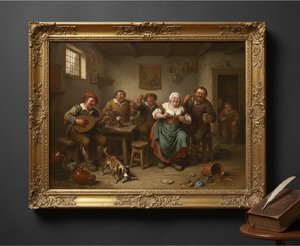
Adriaen van Ostade: A Master of Dutch Genre Painting & Social Commentary
Explore the life & work of Adriaen van Ostade, a leading Dutch Golden Age painter. Discover his realistic genre scenes, social commentary, and lasting influence on art history. Learn more at OriginalUniqueArt.
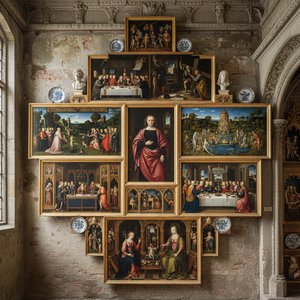
Early Netherlandish Masters: 10 Paintings That Revolutionized Art & Decor
Journey into the Early Netherlandish Renaissance! Explore 10 iconic paintings by Jan van Eyck, Rogier van der Weyden & more. Discover stunning detail, symbolism, and oil painting techniques. Find museum-quality art reproductions for your home at OriginalUniqueArt.com.

Hugo van der Goes: Devotion, Innovation & the Psychological Depth of Early Netherlandish Painting
Explore the revolutionary art of Hugo van der Goes – a master of Early Netherlandish painting renowned for his dramatic realism, psychological depth & profound influence on Renaissance artists. Discover his iconic works and lasting legacy.

Dutch Baroque Masters: 10 Paintings That Shaped an Era | OriginalUniqueArt
Journey through the Golden Age with our guide to the Top 10 Dutch Baroque masterpieces! Explore iconic paintings by Rembrandt, Vermeer & Frans Hals. Find museum-quality art reproductions and elevate your home decor at OriginalUniqueArt.com.

レンブラント傑作25選:光と影の巨匠、魂を揺さぶる名画の世界 | OriginalUniqueArt
レンブラントの傑作25選。光と影の魔術師が描いた魂を揺さぶる名画の世界へ。美術史に残る自画像、夜警、宗教画…OriginalUniqueArtで高品質なアートプリントやインテリアアートをお楽しみください。コレクションはこちら→


