

 送る
送る シェア
シェア
 詳細情報
詳細情報 ガイドを表示

 画像をダウンロード
 似ている作品
 スライドショー
 統計情報
統計情報Mercury and Psyche


 続きを読む
続きを読む
ジークレー/アートプリント
スピーディーな制作と多彩な仕上げオプションが魅力の、ミュージアムクオリティなジークレー・キャンバスプリント。 ( 手描きの複製画を注文する デジタル画像販売へ切り替え)




































作品のオリジナル比率に合わせた、当店の規定サイズからお選びください。

額縁や壁のスペースに合わせて、ご希望の幅と高さを入力してください。プリントはカットすることは可能ですが、元の画像より大きくすることはできないため、異なる比率のサイズを選択された場合は、画像の一部が欠けることになります。印刷を開始する前に、内容を確認していただくためのデジタルモックアップをお送りいたします。このページに表示されている画像は、実際のカット後の状態を示すものではありません。実際の仕上がりはモックアップにてご確認ください。


 ガラスオプションは、110cm未満のサイズでのみご利用いただけます。

Mercury and Psyche
ジークレー/アートプリント
複製画サイズ一覧
-


合計金額
¥ 12604
A Celestial Ascent in Bronze
In the quiet, hallowed halls of the Musée du Louvre, a masterpiece of Northern Mannerism breathes with an ancient, kinetic energy. Adriaen de Vries’s Mercury and Psyche is not merely a sculpture; it is a captured moment of divine transition. Created in 1593, this monumental bronze group transcends the stillness of its medium to depict the Roman messenger god, Mercury, lifting the soul-goddess, Psyche, toward the heights of Mount Olympus. The composition is a breathtaking study in tension and grace, where the weight of the bronze seems to vanish, replaced by an ethereal upward surge that mirrors the spiritual journey of the figures themselves.
The artistry lies in the deliberate departure from the balanced perfection of the High Renaissance. Instead, de Vries embraces the Mannerist fascination with elongated forms and complex, spiraling movements. As Mercury ascends, his muscular form provides a sturdy yet dynamic anchor for the more vulnerable, flowing silhouette of Psyche. This interplay between strength and fragility creates a palpable emotional resonance, inviting the viewer to feel the breathless anticipation of their flight. For the discerning collector or designer, this piece offers a profound sense of drama, making it an unparalleled focal point for spaces that demand intellectual depth and narrative power.
Mastery of the Lost Wax Technique
To behold this work is to witness the pinnacle of 16th-century metallurgical skill. De Vries utilized the arduous cire perdue, or lost wax method, a process requiring immense precision and foresight. By meticulously carving intricate details into wax models before casting them in bronze, the artist achieved a level of textural nuance that remains startlingly vivid centuries later. One can trace the delicate ripples of Psyche’s drapery and the sharp, anatomical definition of Mercury’s limbs, all rendered with a fluidity that defies the rigidity of metal.
The sculpture is further enriched by its deep, darkened patina, a natural result of oxidation over time that lends the bronze an aura of venerable wisdom. This rich surface catches the light in subtle ways, casting soft shadows within the folds of the figures and highlighting the musculature of the gods. Such exquisite craftsmanship ensures that a high-quality reproduction of this work retains its soulful character, bringing the sophisticated aesthetic of the Rudolfine court into the modern interior. It is a piece that does not merely occupy space but commands it, offering a tactile connection to the golden age of European sculpture.
Symbolism and the Eternal Soul
Beyond its physical splendor, Mercury and Psyche serves as a profound allegory for the human condition. In the mythological tradition, the union of Mercury—the swift messenger—and Psyche—the personification of the soul—represents the arduous path toward enlightenment and divine reconciliation. The sculpture captures the very essence of this struggle; it is a narrative of movement from the earthly to the celestial, from the heavy to the light. The tension in their poses reflects the psychological complexities of love and the transformative power of perseverance.
For those seeking to curate an environment of inspiration, this artwork provides more than decoration; it offers a meditation on transcendence. Whether placed in a sunlit library or a grand salon, the sculpture’s themes of metamorphosis and spiritual ascent resonate deeply with the human spirit. It stands as a testament to a period when art was used to bridge the gap between the mortal and the divine, making it an enduring icon for any collection dedicated to the beauty of classical mythology and the mastery of form.
よくあるご質問
アドリアーン・デ・フリース作「Mercury and Psyche」 の複製画は、どこに飾るのが最適でしょうか?
Tallの形状を活かした「Mercury and Psyche」の複製画は、Living Roomに飾るのがおすすめです。
アドリアーン・デ・フリース作「Mercury and Psyche」は、お部屋にどのような雰囲気をもたらしてくれるでしょうか?
アドリアーン・デ・フリース作「Mercury and Psyche」が醸し出すCalmな雰囲気は、おすすめの空間であるLiving Roomにぴったりです。
Northern Mannerismの作品「Mercury and Psyche」は、どの国のものですか?
「Mercury and Psyche」は、その作者の出生地を通じて、Northern Mannerism運動とオランダを結びつけています。
関連記事

Bronze Sculptures That Defined Art History | OriginalUniqueArt
Journey through art history with our Top 10 bronze sculptures! Explore masterpieces by Rodin, Michelangelo & more. Discover stories behind iconic statues and find museum-quality reproductions for your home decor at OriginalUniqueArt.com.

The Enduring Legacy of Bronze: A Historical & Artistic Exploration for the Collector
Explore the rich history & enduring appeal of bronze sculpture with expert insights for collectors at OriginalUniqueArt. Learn about casting techniques, iconic artists, collecting tips & contemporary interpretations.

Bronze Age to Modern Masters: 10 Sculptures That Redefined Art | OriginalUniqueArt
Journey through art history with 10 legendary bronze sculptures – from Michelangelo's David to Rodin’s Thinker. Explore the stories, techniques & timeless beauty of these masterpieces. Find museum-quality reproductions & elevate your home decor on OriginalUniqueArt.com.
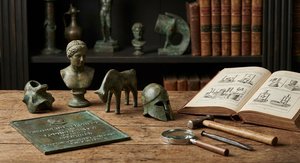
The Enduring Legacy of Bronze: History, Technique & Artistic Expression for the Collector
Explore the rich history & enduring appeal of bronze sculpture with expert insights for collectors at OriginalUniqueArt. Learn about casting techniques, iconic artists, and collecting tips.

The Enduring Legacy of Bronze Sculpture: A Collector's Guide to Form & Cultural Significance
Explore the rich history & enduring appeal of bronze sculpture with expert insights for collectors at OriginalUniqueArt. Learn about casting techniques, iconic artists, and collecting tips to build a discerning art collection.
