

 設置イメージを確認
 送る
送る シェア
シェア
 詳細情報
詳細情報 ガイドを表示

 画像をダウンロード
 似ている作品
 X線調査
X線調査 スライドショー
 統計情報
統計情報The Studio Wall
 Oil On Canvas
- WallArt
- Realist Painting
 1872
1872- 19th Century
 111.0 x 79.0 cm
 ハンブルク美術館
 続きを読む
続きを読む
ジークレー/アートプリント
スピーディーな制作と多彩な仕上げオプションが魅力の、ミュージアムクオリティなジークレー・キャンバスプリント。 ( 手描きの複製画を注文する デジタル画像販売へ切り替え)




P118B ¥10

P118H ¥10

P118W ¥10

P438Z ¥10

P508JH ¥12

P508YH ¥12

P805H ¥10

P805Z ¥10

P919BZ ¥10

P919G ¥10

P919XJ ¥10

P959ZH ¥10

P968JZ ¥12

W106C ¥8

W218G ¥10

W218JH ¥8

W218Y ¥10

W307PJ ¥10

W316G ¥10

W316PJ ¥8

W316Y ¥10

W398PJ ¥8

W4111J ¥10

W500HY ¥15

W500JH ¥15

W692G ¥12

W849H ¥8

W940BG ¥15

W953PJ ¥8




作品のオリジナル比率に合わせた、当店の規定サイズからお選びください。

額縁や壁のスペースに合わせて、ご希望の幅と高さを入力してください。プリントはカットすることは可能ですが、元の画像より大きくすることはできないため、異なる比率のサイズを選択された場合は、画像の一部が欠けることになります。印刷を開始する前に、内容を確認していただくためのデジタルモックアップをお送りいたします。このページに表示されている画像は、実際のカット後の状態を示すものではありません。実際の仕上がりはモックアップにてご確認ください。


 ガラスオプションは、110cm未満のサイズでのみご利用いただけます。

The Studio Wall
ジークレー/アートプリント
複製画サイズ一覧
-


合計金額
¥ 12650
The Studio Wall: A Window into Menzel’s Soul
Adolph von Menzel's "The Studio Wall," painted in 1872, isn’t merely a depiction of a cluttered artist’s workspace; it’s a profoundly layered meditation on mortality, memory, and the very nature of artistic creation. At first glance, it presents a seemingly simple scene: a red-walled studio bathed in the soft glow of lamplight, populated by an array of plaster casts – busts, torsos, even a dog – arranged with meticulous care. Yet, beneath this surface lies a complex tapestry of symbolism and emotional resonance, reflecting Menzel’s own life and artistic philosophy.
The painting emerged during a pivotal period in Menzel's career, following the death of his close friend and fellow artist, Friedrich Eggers. This loss profoundly impacted the artist, fueling a preoccupation with themes of transience and remembrance. The studio itself becomes a symbolic space – a repository of fragments, echoes of those who have passed, and a testament to the enduring power of artistic legacy. Menzel’s meticulous attention to detail, honed through decades of experience in lithography and painting, is immediately apparent; each cast is rendered with astonishing realism, capturing not just their physical form but also a sense of individual character.
A Symphony of Materials and Light
Menzel masterfully employs the techniques of oil on canvas to create an atmosphere of both intimacy and drama. The red wall serves as a dramatic backdrop, intensifying the effect of the lamplight that illuminates the plaster casts. This strategic use of light is crucial – it doesn’t simply illuminate; it seems to breathe life into the inanimate objects, suggesting a ghostly presence within the studio. The artist's choice of materials—the smooth, polished surfaces of the casts contrasting with the rough texture of the wall—further enhances the visual impact, creating a dynamic interplay between form and space.
Notably, Menzel’s approach to composition is unconventional for his time. Rather than presenting a traditional still life, he arranges the casts in a seemingly random yet carefully orchestrated manner. This deliberate asymmetry contributes to the painting's unsettling beauty, mirroring the fragmented nature of memory and the elusive quality of truth. The inclusion of figures like Dante and Schiller, alongside more contemporary portraits, suggests a blurring of temporal boundaries – past, present, and future converge within the confines of the studio.
Decoding the Symbols: Faces of Remembrance
The plaster casts themselves are laden with symbolic meaning. Each figure represents a facet of human experience—beauty, wisdom, mortality, love, loss. The inclusion of portraits of friends, family members, and even classical figures speaks to Menzel’s desire to create a memorial to those he held dear. The prominent placement of Friedrich Eggers' death mask is particularly poignant, suggesting that the artist was grappling with his own grief while simultaneously attempting to immortalize the memory of his friend through art.
Beyond individual portraits, the arrangement of the casts can be interpreted as a visual metaphor for the creative process itself. Like an artist assembling disparate elements into a cohesive whole, Menzel has brought together fragments of human experience—the tangible and the intangible—to create a work that transcends mere representation. The dog, often associated with loyalty and companionship, adds another layer of emotional depth to the composition.
A Timeless Reflection on Art and Life
"The Studio Wall" is more than just a painting; it’s an invitation to contemplate the complexities of human existence. Menzel's masterful use of light, color, and symbolism creates a work that is both visually stunning and emotionally resonant. It remains a powerful testament to the enduring legacy of art as a means of confronting mortality, preserving memory, and exploring the profound mysteries of the human soul. Reproductions capture this depth and detail beautifully, offering a window into Menzel’s world for generations to come.
よくあるご質問
The Studio Wallの制作年である1872年は、アドルフ・メンツェルのキャリアにおけるどの時期にあたりますか?
1872年という制作年代から、「The Studio Wall」はアドルフ・メンツェルのMature Periodに属します。
アドルフ・メンツェル作「The Studio Wall」のレプリカは、どのような用途に適していますか?
アドルフ・メンツェル作「The Studio Wall」の複製画は、Reflectiveに最適です。作品の主題、情緒、そして色彩に基づいたおすすめの活用方法です。
「The Studio Wall」は、どのような場所や用途での使用がおすすめですか?
「The Studio Wall」はReflectiveに最適で、Living Roomへの飾るのがおすすめです。
アーティストについて
写実主義の巨匠、アドルフ・フォン・メンツェルの生涯と世界
19世紀ドイツを代表する画家、アドルフ・フリードリヒ・エルドマン・フォン・メンツェル(Adolph Friedrich Erdmann von Menzel)は、単なる絵描きを超え、時代の生活を鋭く記録した視覚的な年代記者でした。1815年12月8日、ポーランドのブレスラウ(現在のヴロツワフ)に生まれ、彼の道のりは、美術アカデミーの神聖なホールではなく、父親の石版画工房という実用的な世界から始まりました。この幼少期からの再現と細部への没頭は、彼の美的感覚を深く形作ることになります。当初、父親からは教授職への道が期待されていましたが、若き日のアドルフの芸術への情熱は抑えられず、1833年にベルリン美術アカデミーで短期間学ぶものの、その後は主に独学での探求へと進みます。彼はすぐに、精密な描写力と日常的な光景の本質を捉える並外れた能力を発揮し、当初は石版画を通して、やがて絵画やエッチングの世界へと領域を広げました。メンツェルの人生は観察に捧げられたものでした。周囲の世界をキャンバスや紙の上に翻訳することに情熱を注ぎ、写真のような写実性でありながら、常に微妙な感情の深みを湛えた作品を生み出しました。歴史的壮大さから親密な瞬間へ
メンツェルの芸術的なアウトプットは驚くほど多様で、歴史画、風俗画、肖像画、風景画など多岐にわたります。初期の成功は、フリードリヒ大王の治世を描いた歴史作品の挿絵を通して得られました。彼の正確さと物語性への献身は、プロイセンにおける高まるナショナリズムと共鳴し、大きな反響を呼びました。これらの大規模な構図は彼を主要な歴史画家として確立し、政治的・社会的な変化が激しい時代において、愛国的なイメージに対する大衆の欲求を満たしました。しかし、彼の遺産を真に不動のものとしたのは、一見地味に見える風俗画や現代生活への親密な研究でした。1872年から1875年にかけて完成した『鉄鋼圧延工場』は、その規模だけでなく、産業労働の容赦ない描写において記念碑的な業績として位置づけられます。これはロマンチック化された産業ではなく、率直で生々しく、そして現代的でありました。巨大な歴史叙述に加えて、メンツェルはフランス窓から垣間見える光景、宮殿の庭園の一場面、あるいは微妙なジェスチャーや表情を通して個性を明らかにするシンプルな肖像画など、静かな瞬間の中に美しさを見出しました。影響と芸術的発展
メンツェルは主に独学でしたが、芸術的な影響を否定することはできません。彼はオランダ絵画の巨匠たち—光と影の習熟度、日常的な生活を高尚な芸術へと昇華させる能力—を賞賛し、これらの影響は彼の構図や色彩の使い方に見て取れます。しかし、彼は独自のドイツの道を切り開き、同時代の他の画家に見られる露骨なロマン主義を拒否し、より客観的で分析的なアプローチを採用しました。彼の作品はフランスの芸術家たちにも共鳴し、エドガー・ドガはメンツェルの技術を深く賞賛し、彼の作品を模写し、「現存する最高の巨匠」と宣言さえしました。この相互尊重は、国籍の違いを超えた写実主義と観察への共通のコミットメントを示しています。メンツェルの発展は直線的ではありませんでした。彼は常に技法や主題を探求し、初期のキャリアにおける壮大な歴史画から、より親密で心理的に微妙なシーンへと移行しました。彼のエッチング技術は特に注目に値し、写実的なスタイルをさらに高めるレベルの詳細とトーンレンジを実現しました。遺産と歴史的意義
アドルフ・フォン・メンツェルのドイツ芸術への影響は否定できません。彼は伝統的な歴史画と現代写実主義の間のギャップを埋め、次世代のアーティストが新しい主題や技法を探求するための道を開きました。彼の死後の評判は、絵画だけでなく、卓越した感性と観察力を示す膨大な図面やエッチング作品にも支えられています。彼は1898年に騎士爵位を与えられ、アドルフ・フォン・メンツェルとなり、ドイツの文化景観への多大な貢献が認められました。彼の影響は絵画を超えて、イラストレーションや版画にも及びました。ドイツ各地の美術館—ゲオルク・シェーファー美術館やレーンバッハハウス美術館など—は彼の作品を誇らしげに展示し、彼のビジョンが人々にインスピレーションを与え続けています。メンツェルの芸術は、日常的な生活に内在する美しさや複雑さを思い出させ、現実を正直かつ正確に捉えることへの献身は、19世紀の最も重要なドイツ人アーティストの一人としての彼の永続的な地位を確固たるものにします。彼の作品は今日でも関連性を保ち、社会と産業の変革の重要な時代に関する洞察を提供し、芸術が人間の状態を照らす力があることを私たちに思い出させてくれます。メンツェルの作品は、単なる視覚的表現を超え、時代の精神を捉えた貴重な記録なのです。
アドルフ・メンツェル
1815 - 1905 , ポーランド
アーティスト情報
- Artistic Movement Or Style: 写実主義
- Artists Or Movements Influenced By This Artist: ['エドガー・ドガ']
- Date Of Birth: 1815年12月8日
- Date Of Death: 1905年2月9日
- Full Name: アドルフ・フォン・メンツェル
- Nationality: ドイツ
- Notable Artworks (List Of Titles):
- 鉄鋼工場
- ヴェローナの市場
- ドイツ説教
- Place Of Birth (City And Country): ヴロツワフ、ポーランド
関連記事
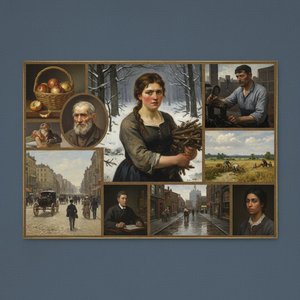
Realism's Masters: 10 Artworks That Capture Life's Essence | OriginalUniqueArt
Explore 10 iconic realism artworks by Courbet, Millet & more! Discover the stories behind these masterpieces of 19th-century painting. Find museum-quality art reproductions and elevate your home decor with OriginalUniqueArt.com.

Romantic Realism's Finest: 10 Masterpieces for Your Home | OriginalUniqueArt
Explore 10 defining masterpieces of Romantic Realism! Discover Courbet, Millet & Daumier's powerful paintings—capturing emotion and social realities. Find museum-quality reproductions for your home at OriginalUniqueArt.com.

Adolph von Menzel: Realism, Prussian Society & the Painterly Chronicle of a Changing Era
Explore the life & work of Adolph von Menzel, a leading German Realist painter. Discover his detailed depictions of Prussian society, innovative techniques, and lasting influence on art history. Hand-painted reproductions available at OriginalUniqueArt.
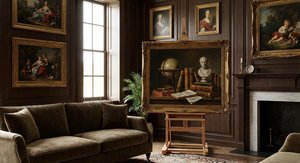
Academic Realism's Finest: 10 Masterpieces for Art Lovers & Home Decor
Explore 10 defining Academic Realism masterpieces by Bouguereau, Gérôme & Cabanel. Discover the stories behind these iconic paintings and bring timeless art into your home with museum-quality reproductions from OriginalUniqueArt.com. Explore the full collection online!

高級デザインにおけるフレスコ画の隆盛:壁画芸術の再興と新たな表現
ホテルデザインを格上げするフレスコ画の魅力とは?古代から現代までの歴史、技法、デザインプロセスを解説。OriginalUniqueArt.comでカスタムオーダーも可能です。空間を彩る壁画芸術の世界をご体験ください。

