

 プレビュー
プレビュー
 シェアする
シェアする シェアする
シェアする
 詳細を見る
詳細を見る

 ダウンロード
 似ている作品
 X線調査
X線調査 スライドショー
 統計情報
統計情報Bookstore label from


 詳細を見る
詳細を見る
手描き油彩複製画
当社のアーティストが、お客様のご希望のサイズと額縁に合わせて、キャンバスに手描きで制作する油彩画です。 ( プリント版に切り替え デジタル画像販売へ切り替え)




































作品のオリジナル比率に合わせた、当店の規定サイズからお選びください。

特定のフレームやスペースに合わせて、ご希望のサイズをご入力いただけます。選択されたサイズが元の画像の比率と異なる場合、アートワークをトリミングするか、手描きで要素を追加して絵画を拡張いたします。デジタルモックアップ を制作し、制作開始前にご確認(承認)をいただきます。
画面上のプレビューは、実際のトリミングや拡張を正確に反映しているものではありません。最終的な構図は、モックアップによってのみ正確にご確認いただけます。
カスタムサイズもご利用いただけますが、元の比率を維持するためには、あらかじめ用意されたリストからサイズを選択することをお勧めいたします。
ご注文後、OriginalUniqueArt.com チームより詳細な指示をお送りするとともに、仕上がりイメージ(モックアップ)をご提供いたします。


 ガラスオプションは、110cm未満のサイズでのみご利用いただけます。

Bookstore label from
複製技法
複製画のサイズ
-


合計金額
$ 300
A Whisper from the Archives: The Soul of a Lost Era
In the quiet corners of history, where the scent of aged paper meets the weight of forgotten memories, lies a fragment of a bygone era. This delicate bookstore label, dating back to 1894, serves as more than just a mere administrative mark; it is a tactile window into the intellectual landscape of late 19th-century Brazil. The piece captures a moment of profound stillness, focusing on a label that bears the prestigious imprint of the Biblioteca Pública Estadual do Ceará. As the eye wanders across the textured surface, one can almost feel the grain of the wooden shelf and the heavy, historical gravity of the tome it once adorned. It is an artifact of curation, representing a time when libraries were not just repositories of information, but sacred sanctuaries of culture and identity.
The aesthetic charm of this piece lies in its understated elegance and the soft, nostalgic atmosphere it evokes. The composition utilizes a shallow depth of field, allowing the intricate serif typography and the delicate floral flourishes at the corner to emerge from a dreamlike blur. This technique creates an intimate connection between the viewer and the object, pulling us into a close-up encounter with history. The subtle interplay of light and shadow across the book's spine suggests a candid, unposed moment—as if we have stumbled upon a hidden treasure in a sunlit study. For the collector or interior designer, this work offers a sense of "found beauty," bringing an air of scholarly sophistication and antique warmth to any curated space.
Beyond its visual allure, the label carries deep symbolic resonance. It speaks to the preservation of knowledge and the enduring legacy of Brazilian institutions. The presence of such a mark connects us to the literary pioneers of the era, including figures like Adolfo Caminha, whose life and works were deeply intertwined with the social and cultural currents of the time. To display a reproduction of this piece is to celebrate the concept of the archive—the idea that even the smallest fragment of paper can hold the echoes of an entire civilization. It serves as a poignant reminder of our shared human desire to document, categorize, and remember.
Integrating such a piece into a modern interior provides a grounding element of authenticity. Whether placed within a grand library setting or used as a subtle accent in a contemporary study, the label introduces a layer of narrative depth. It invites conversation about history, travel, and the romantic allure of the old world. For those seeking to decorate with intention, this artwork offers an unparalleled opportunity to infuse a room with character, elegance, and a profound sense of timelessness.
アーティストの略歴
Adolfo Caminha: Life and Legacy
Adolfo Ferreira Caminha (born May 29, 1867, in Aracati, Brazil – died 1897) was a groundbreaking Brazilian naturalist novelist. Though his life was tragically short, he left an indelible mark on Latin American literature with his bold exploration of taboo subjects and unflinching portrayal of social realities.
Early Life and Education
Caminha’s early life was marked by hardship. He became orphaned at the age of ten and subsequently moved to Fortaleza to live with his uncle. In 1883, he relocated to Rio de Janeiro, where a relative enrolled him in naval school – an experience that would later inform some of his writing. Despite this formal education, Caminha’s true passion lay in literature.
Literary Beginnings and Journalism
Caminha began publishing his work early, releasing his first book, Voos Incertos (Uncertain Flights), in 1886. He also actively contributed to several prominent Brazilian journals – including Jornal do Commercio, Gazeta de Notícias, and O País – often writing under the pseudonym Félix Guanabarino. This journalistic work provided him with a platform to observe and critique Brazilian society.
The Rise of Naturalism and *Bom-Crioulo*
Caminha’s literary style aligned with the burgeoning naturalist movement, which sought to depict reality objectively and scientifically, often focusing on the darker aspects of human existence. His most famous work, *Bom-Crioulo* (Good Creole), published in 1895, is a pivotal novel in Brazilian literature. It fearlessly tackled themes of race, homosexuality, and social injustice – subjects considered highly controversial at the time.
Key Themes and Artistic Development
Caminha’s novels are characterized by:
- Naturalistic Realism: A commitment to portraying life as it is, without idealization or romanticism.
- Social Critique: An examination of the inequalities and hypocrisies within Brazilian society.
- Exploration of Sexuality: A groundbreaking depiction of same-sex desire in a literary context.
- Racial Dynamics: A nuanced portrayal of racial tensions and prejudices in Brazil.
Major Works
Beyond *Bom-Crioulo*, Caminha authored several other novels, including:
- A Normalista (The Teacher Training College Student)
- Cartas Literárias (Literary Letters)
- Tentação (Temptation)
Tragic End and Lasting Significance
Sadly, Adolfo Caminha’s life was cut short by tuberculosis. He died in 1897 at the young age of 29, leaving two novels unfinished. Despite his premature death, his work continues to be celebrated for its courage, honesty, and literary merit.
Historical Significance
Adolfo Caminha is recognized as a pioneer in Brazilian literature who challenged societal norms and paved the way for future generations of writers to explore complex and controversial themes. *Bom-Crioulo*, in particular, remains a landmark achievement – a bold and provocative novel that continues to resonate with readers today. His work offers valuable insights into the social and cultural landscape of 19th-century Brazil and its enduring struggles with race, sexuality, and inequality.

Adolfo Caminha
1867 - 1897 , Brazil
基本情報
- Birth Date: May 29, 1867
- Birth Place: Aracati, Brazil
- Death Date: 1897
- Movement: Naturalism
- Name: Adolfo Caminha
- Nationality: Brazilian
- Notable Works: Bom-Crioulo
関連記事

Echoes of Time: Exploring the Enduring Appeal & Historical Context of Vintage Art Prints
Explore the captivating world of vintage art prints! Discover their history, collecting tips & enduring appeal. Expert insights on chromolithography and building a legacy collection with OriginalUniqueArt.
Echoes of Eras Past: Exploring Themes & Techniques in Vintage Art Collections
Explore the captivating world of vintage art! Discover historical movements, iconic themes & collecting tips. Find handmade reproductions & expert appraisal at OriginalUniqueArt.
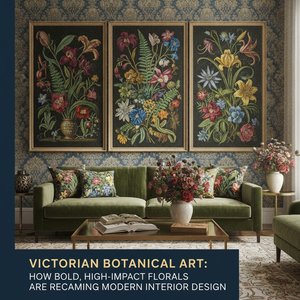
Victorian Botanical Art: How Bold, High-Impact Florals are Reclaiming Modern Interior Design
Discover how Victorian botanical art is transforming modern spaces. Explore high-impact floral aesthetics, from Marianne North's tropical drama to bold, hand-painted reproductions that bring vintage scientific beauty into contemporary urban design.
Echoes of Time: Exploring the Enduring Appeal of Vintage Artwork
Explore the captivating world of vintage art! Discover its history, enduring appeal, & how to build your own collection. Expert advice, custom reproductions & museum-quality prints at OriginalUniqueArt.
Echoes of Time: Nostalgia, Technique & Cultural Significance in Vintage Paintings
Explore the captivating world of vintage paintings! Discover key styles, cultural significance & collecting tips from art experts at OriginalUniqueArt. Find authentic reproductions and elevate your home décor.