
 設置イメージを表示
 シェアする
シェアする シェアする
シェアする
 詳細を見る
詳細を見る ガイドを表示

 ダウンロード
 似ている作品
 X線調査
X線調査 スライドショーを表示
 Q&A
Q&A 統計情報
統計情報Study for a Painting

- 10.0 x 12.0 cm


 詳細を表示
詳細を表示
このページに掲載されている作品は著作権法によって保護されており、当社の許可なく同一の複製物を制作または販売することは法律で禁じられています。この保護は、以下のような国際条約に基づき執行されます。 ベルヌ条約 および、以下の条項に定められたものを含む各国の法律により、 米国著作権法 第17編。
この手法は、著作権で保護された作品の複製や複写を伴わないため、著作権法に完全に準拠しています。これは単なる模倣ではなく、創造的な再解釈です。元の作品からインスピレーションを受けつつも、それとは異なる、全く新しい絵画を生み出すものです。
ジークレー/アートプリント
スピーディーな制作と多彩な仕上げオプションが魅力の、ミュージアムクオリティなジークレー・キャンバスプリント。 ( 手描き複製画を注文する デジタル画像販売へ切り替え)




P118B ¥10

P118H ¥10

P118W ¥10

P438Z ¥10

P508JH ¥12

P508YH ¥12

P805H ¥10

P805Z ¥10

P919BZ ¥10

P919G ¥10

P919XJ ¥10

P959ZH ¥10

P968JZ ¥12

W106C ¥8

W218G ¥10

W218JH ¥8

W218Y ¥10

W307PJ ¥10

W316G ¥10

W316PJ ¥8

W316Y ¥10

W398PJ ¥8

W4111J ¥10

W500HY ¥15

W500JH ¥15

W692G ¥12

W849H ¥8

W940BG ¥15

W953PJ ¥8




作品のオリジナル比率に合わせた、当店の規定サイズからお選びください。

額縁や壁のスペースに合わせて、ご希望の幅と高さを入力してください。プリントはカットすることは可能ですが、元の画像より大きくすることはできないため、異なる比率のサイズを選択された場合は、画像の一部が欠けることになります。印刷を開始する前に、内容を確認していただくためのデジタルモックアップをお送りいたします。このページに表示されている画像は、実際のカット後の状態を示すものではありません。実際の仕上がりはモックアップにてご確認ください。


 ガラスオプションは、110cm未満のサイズでのみご利用いただけます。

Study for a Painting
ジークレー/アートプリント
複製画サイズ一覧
-


合計金額
¥ 12823
The Essence of Reduction: Ad Reinhardt’s Geometric Vision
In the vast, often turbulent landscape of twentieth-century abstraction, few works possess the quiet, magnetic intensity found in Ad Reinhardt’s “Study for a Painting.” Created in 1938, this miniature masterpiece serves as a profound window into the artist's relentless pursuit of purity. At a time when the art world was grappling with the heavy emotional weight and gestural turbulence of early Abstract Expressionism, Reinhardt offered a different, more cerebral path: one of radical simplification and intellectual rigor. This study is far more than a mere preparatory sketch; it is a distilled essence of an evolving philosophy, acting as a vital stepping stone toward his later, iconic monochrome paintings that would eventually redefine the boundaries of Minimalism.
The artwork immediately commands attention through its stark geometric arrangement, presenting a series of precisely defined planes and angular shapes that seem to float within the confines of the page. There is no illusion of depth or perspective here; instead, we are presented with a two-dimensional world constructed entirely from form and space. The deliberate use of negative space is not merely an aesthetic choice but a crucial element in establishing balance and visual interest. Each solid shape is carefully positioned to create a dynamic interplay with the surrounding emptiness, drawing the eye across the surface and inviting a deep, meditative contemplation.
A Mastery of Form and Technique
Reinhardt's meticulous approach to painting demanded an unwavering discipline that is palpable even in this early work. Utilizing a technique characterized by layering and precision, the artist explores the fundamental building blocks of visual language. The lines are crisp and unwavering, defining each form with absolute clarity—a characteristic that would become increasingly pronounced in his later, more famous "Black Paintings." This emphasis on geometric precision reflects a deep-seated fascination with order and structure, a conscious effort to strip away all extraneous detail and reveal the inherent qualities of color and shape themselves.
While the piece is rooted in the tradition of geometric abstraction, it also carries echoes of Cubism and Constructivism. The influence of Picasso’s fragmentation of form is undeniable, yet Reinhardt transcends mere imitation by taking these concepts to their logical extreme. He reduces subjects to their most essential components, moving away from the representation of reality toward what he famously termed "Art-as-Art." This radical proposition challenged viewers to confront the painting not as a window into another world, but as an uncompromising assertion of its own existence, devoid of sentimentality or external narrative.
Timeless Elegance for the Modern Collector
For the discerning art lover, collector, or interior designer, "Study for a Painting" offers a sophisticated touch of intellectual depth. Its minimalist aesthetic and restrained palette make it an incredibly versatile piece for contemporary curation. Whether placed in a gallery setting or used as a focal point in a modern living space, the work provides a sense of calm, structured elegance that complements both minimalist and mid-century modern decors.
Owning a high-quality reproduction of this study allows one to bring the profound stillness of Reinhardt’s vision into the home. It is an invitation to slow down, to look closer, and to find beauty in the most elemental forms. As a piece of decor, it does not merely occupy space; it transforms it, offering a window into a period of art history where the search for truth was found in the reduction of everything unnecessary, leaving behind only the pure, unadulterated essence of art.
Q&A
アド・ラインハルト作「Study for a Painting」を特徴づける技法やスタイルは何ですか?
アド・ラインハルト作「Study for a Painting」は、Gouacheの技法とAbstract Expressionismの様式を融合させた作品です。技法(テクニック)は制作手法を、様式(ムーブメント)はその作品のスタイルを表しています。
アド・ラインハルト作「Study for a Painting」のデジタル画像はどこで購入できますか?
アド・ラインハルト作「Study for a Painting」のデジタルイメージは、こちらの高解像度デジタル画像ページにてご購入いただけます:高解像度デジタル画像のダウンロード
アド・ラインハルト作「Study for a Painting」の制作年代と様式について教えてください。
「Study for a Painting」は、Abstract Expressionismの作品として1938年に制作されました。制作年と様式は、美術史におけるこの作品の位置付けを明確にするものです。
作家プロフィール
芸術の本質に捧げられた生涯
1913年12月24日、ニューヨーク州バッファローでアドルフ・フリードリヒ・ラインハルトとして生まれたアド・ラインハルトは、単に芸術を創造するだけでなく、芸術とは「何であり得るのか」を定義することに人生を捧げた人物でした。彼の幼少期は、父親の仕事に伴う家族の移住によってニューヨーク市へと導かれ、従兄弟のオットとの深い絆に彩られていました。子供の頃からラインハルトは、絵画と描画において並外れた才能を発揮し、学校で受賞を重ねることは、彼がこれから歩むことになる厳格な芸術の道のりを予感させるものでした。彼は単にイメージを「作る」ことに興味があるのではなく、視覚表現そのものの根源的な基盤を理解する必要性に駆られていたのです。この知的好奇心が彼をコロンビア大学へと導き、そこで影響力のあるマイヤー・シャピロのもと美術史を学びました。この経験は、美学や芸術家の役割についての彼の思考に深く影響を与えました。その後、コロンビアのティチャーズカレッジ、カール・ホルティやフランシス・クリスによるアメリカン・アーティスト・スクールでの訓練、そしてカール・アンダーソンのもとでのナショナル・アカデミー・オブ・デザインでの肖像画研究が、彼の技術的な技能を確固たるものにしましたが、それらの技能は後に彼自身が意図的に超克しようとする対象となることになります。ラインハルトは、早い段階で伝統的な技法を習得したと信じており、それが彼をより概念的な探求へと解放したのです。幾何学的な始まりから「究極の」黒へ
ラインハルトの芸術的進化は、決して直線的ではありませんでした。彼はまず、形式と色彩を探求する、幾何学的抽象化に根ざした作品群から出発し、その精緻さをもって自身の技術的熟練度を証明しました。しかし、この初期の作品群は、よりラディカルな何かへと向かうための踏み台としての役割を果たしました。1930年代のWPA連邦美術プロジェクトへの関与は、彼に決定的な支援と露出をもたらし、公共芸術の取り組みに貢献しながら自身の技術を磨き上げることを可能にしました。1940年代には、ラインハルトは自身にとって極めて重要だと考える集団であるアメリカン・アブストラクト・アーティストズ(AAA)の活動的な一員となりました。彼は非具象的な芸術への献身を共有する同業者たちとの間に仲間意識を見出し、彼らと共に定期的に展示を行い、絵画の未来について活発な議論を交わしました。ベティ・パーソンズ・ギャラリーとの関わりは、新興のニューヨークのアートシーンにおける彼の地位をさらに強固なものにしました。1950年代を通じて、ラインハルトは単一の色調の中の微妙な変化を探る一連の絵画に着手し、すべて赤、すべて青、すべて白といった意図的な削減が、彼自身の最も象徴的な作品群を予感させました。しかし、真に決定的な到達点となったのは1960年代でした。それは「黒」の絵画です。これらは単なる黒いキャンバスではありませんでした。それらは、知覚に挑戦し、絵画そのものの境界を押し広げるために設計された、近黒の階調、微妙なグラデーションとテクスチャが丹念に探求されたものでした。彼はそれらを自身の「究極」の作品と呼び、それは芸術的試みの集大成であり、これ以上進歩することが不可能である地点を示唆していたのです。アート・アズ・アート:純粋な審美主義の哲学
ラインハルトの作品を理解する上で中心となるのが、彼の「アート・アズ・アート(Art-as-Art)」という哲学です。彼は芸術の自律性を熱烈に信じ、それが政治的、社会的、あるいは物語的な目的に奉仕するという考え方を断固として拒否しました。ラインハルトにとって、絵画の価値は純粋にその審美的な資質――そのフォルム、色彩、構成、そして鑑賞者と純粋な視覚レベルで関わる方法――の中にのみ存在したのです。この確信は、彼に美術界における問題のある傾向、特にメッセージ性を美学よりも優先する芸術家たちに対する批判を促しました。彼はこれらの批判を風刺的な漫画や文章を通して表現し、しばしば機知と知的な厳密さをもって当時の芸術規範に異議を唱えました。ロバート・ラックスやトーマス・マートンといった友人たちとの交流も、彼らのそれぞれの分野で単純さというテーマを探求していたことから、彼の美学的原則をさらに深めました。ラインハルトの作品は、過剰な要素を取り除き、その媒体の本質的な資質に焦点を当てようとする芸術家に共鳴し、ミニマリズムやコンセプチュアル・アートへの高まる関心と響き合いました。彼は単に絵画を創り出していたのではなく、芸術そのものの本質についての理論的な立場を表明していたのです。永続する遺産:ミニマリズム、概念主義、そしてその先へ
アド・ラインハルトの影響は、彼自身の作品群を遥かに超えています。彼の「黒」の絵画は今や、具象的な表象という従来の概念に挑戦し、視覚的知覚の限界を押し広げた、ミニマリズムおよびモノクローム絵画における先駆的な貢献として認識されています。彼の『アート・アズ・アート』に関する著作は、芸術家や批評家の双方から今なお研究され続け、社会における芸術の役割と、フォルムとコンテンツの関係性についての議論を巻き起こしています。彼がAAAやベティ・パーソンズ・ギャラリーとの関わりを通じて抽象表現主義の重要な一人物であったとはいえ、ラインハルトは最終的に分類を超越し、その後の世代の概念的およびミニマリストの芸術家たちの道を切り開きました。彼はブルックリン・カレッジ、カリフォルニア美術学校、ワイオミング大学、イェール大学、ハンターカレッジなど数多くの機関で教鞭をとり、志す芸術家たちに自身の厳格な知的なアプローチを伝えました。さらには、1940年代のMoMAに対する抗議活動への参加、1950年代のメトロポリタン美術館に対する「イラシブルズ」としての関与、そして1967年のベトナム反戦運動に際しての版画制作に至るまで、彼の行動は芸術的自由と社会的な責任へのコミットメントを示していました。アド・ラインハルトは1967年8月30日にニューヨーク市で亡くなり、今なお人々にインスピレーションを与え、問いを投げかける遺産を残しました。彼の作品は、抽象芸術の永続的な力と、創造性そのものの根源的な前提に疑問を投げかけることの重要性を示す、力強い証言であり続けています。アド・ラインハルト財団は現在、デヴィッド・ズヴィルナー・ギャラリーによって取り扱われており、現代美術の世界における彼の存在感を保証しています。
アド・ラインハルト
1913 - 1967 , アメリカ合衆国
プロフィール概要
- Artistic Movement Or Style: 抽象表現主義、ミニマリズム
- Artists Or Movements Influenced By This Artist:
- コンセプチュアル・アート
- ミニマリズム
- モノクローム絵画
- Artists Who Influenced This Artist:
- マイヤー・シャピロ
- ロバート・ラックス
- トーマス・マートン
- Date Of Birth: 1913年12月24日
- Date Of Death: 1967年8月30日
- Full Name: アドルフ・フリードリヒ・ラインハルト
- Nationality: アメリカ人
- Notable Artworks:
- 無題
- 赤と灰色
- ナンバー - (107)
- Place Of Birth: バッファロー、USA
関連記事

フェルナン・レジェ傑作25選:機械美と色彩の革新 | OriginalUniqueArt
フェルナン・レジェの傑作25選。機械美と色彩が織りなすキュビズムの世界を紐解きます。OriginalUniqueArtで、フランス絵画の巨匠レジェの作品を高精細プリントで。インテリアアートやギフトにも最適です。全コレクションはこちら: OriginalUniqueArt.com

Designing Your Forever Space: An Expert Guide to Elevating Your New Home with Neo-Abstract Art
Elevate your first home with the bold energy of Neo-Abstract Art. Our expert guide helps newlyweds master modern geometric compositions, textures, and color palettes. Discover how custom hand-painted oils and multi-panel designs can transform your new space into a curated masterpiece.

幾何学的抽象絵画を定義した傑作10選|アート、アーティスト、インテリア装飾
モンドリアン、マレーヴィチ…幾何学的抽象絵画を代表する傑作10選。各作品の背景や色彩構成、アーティストの情熱に迫ります。美術館品質の複製画はOriginalUniqueArt.comで。オンラインでアートコレクションをご覧ください。
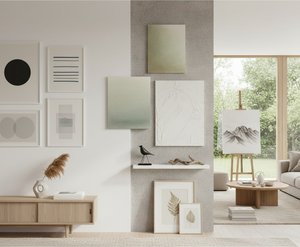
Minimalist Masterpieces: 10 Artworks for Serene Home Decor | OriginalUniqueArt
Find serenity with 10 minimalist masterpieces! Explore Agnes Martin, Rothko & more. Discover the stories behind iconic abstract art, neutral palettes & calming designs. Museum-quality reproductions at OriginalUniqueArt.com – elevate your home decor today!

Contemporary Abstract Art: A Professional Buyer's Guide to Large-Scale Modern Decor for Hospitality and Corporate Interiors
A professional procurement guide for hotel designers and architects. Discover how to integrate large-scale contemporary abstract art into hospitality projects through high-volume, custom-sized oil reproductions, multi-panel layouts, and reliable global logistics.