
 設置イメージを表示
 シェアする
シェアする シェアする
シェアする
 詳細を見る
詳細を見る ガイドを表示

 ダウンロード
 似ている作品
 X線調査
X線調査 スライドショーを表示
 Q&A
Q&A 統計情報
統計情報Dancing Peasants

- 28.0 x 38.0 cm


 詳細を表示
詳細を表示
ジークレー/アートプリント
スピーディーな制作と多彩な仕上げオプションが魅力の、ミュージアムクオリティなジークレー・キャンバスプリント。 ( 手描き複製画を注文する デジタル画像販売へ切り替え)




P118B ¥10

P118H ¥10

P118W ¥10

P438Z ¥10

P508JH ¥12

P508YH ¥12

P805H ¥10

P805Z ¥10

P919BZ ¥10

P919G ¥10

P919XJ ¥10

P959ZH ¥10

P968JZ ¥12

W106C ¥8

W218G ¥10

W218JH ¥8

W218Y ¥10

W307PJ ¥10

W316G ¥10

W316PJ ¥8

W316Y ¥10

W398PJ ¥8

W4111J ¥10

W500HY ¥15

W500JH ¥15

W692G ¥12

W849H ¥8

W940BG ¥15

W953PJ ¥8




作品のオリジナル比率に合わせた、当店の規定サイズからお選びください。

額縁や壁のスペースに合わせて、ご希望の幅と高さを入力してください。プリントはカットすることは可能ですが、元の画像より大きくすることはできないため、異なる比率のサイズを選択された場合は、画像の一部が欠けることになります。印刷を開始する前に、内容を確認していただくためのデジタルモックアップをお送りいたします。このページに表示されている画像は、実際のカット後の状態を示すものではありません。実際の仕上がりはモックアップにてご確認ください。


 ガラスオプションは、110cm未満のサイズでのみご利用いただけます。

Dancing Peasants
ジークレー/アートプリント
複製画サイズ一覧
-


合計金額
¥ 12817
A Symphony of Rural Joy: Rediscovering Abraham Teniers' Dancing Peasants
In the heart of the seventeenth-century Flemish Baroque, amidst the bustling artistic energy of Antwerp, there existed a profound fascination with the unvarnished beauty of everyday life. Abraham Teniers, a painter born into one of Europe’s most illustrious artistic dynasties, captured this essence with unparalleled vitality in his masterpiece, Dancing Peasants. This vibrant oil on canvas is not merely a depiction of a village gathering; it is an immersive window into a world of communal spirit and unbridled merriment. As the eye wanders through the composition, one is immediately swept up in the rhythmic motion of villagers engaged in a boisterous celebration, their figures intertwined in a dance that seems to pulse with the very heartbeat of the countryside.
The painting serves as a masterful example of the genre painting tradition, where the mundane is elevated to the level of high art. Teniers utilizes a dynamic composition that guides the viewer through a layered landscape, from the lively foreground figures to the rustic charm of a thatched-roof cottage and the gentle flow of a nearby stream. The background, with its rolling hills and soft light, provides a serene counterpoint to the energetic chaos of the festivities in the front. This careful balance creates a sense of profound depth, inviting collectors and art enthusiasts to step directly into the scene, feeling the warmth of the sun and hearing the distant echoes of laughter and music.
Mastery of Light and Texture
Technically, Dancing Peasants is a triumph of Baroque realism. Teniers employed the impasto technique with remarkable skill, applying thick, deliberate layers of oil paint to imbue the canvas with a tactile, sculptural quality. This method is particularly evident in the rugged textures of the thatched roofs and the heavy, coarse fabrics of the peasants' clothing, which lend an authentic, earthy weight to the subjects. The interplay of light and shadow—a hallmark of the era—is used here to sculpt form and heighten drama. Strong, theatrical highlights illuminate the dancers, casting deep, evocative shadows that add volume to their limbs and intensify the emotional resonance of their movements.
The color palette is a rich tapestry of warm, autumnal tones. Deep reds, earthy browns, and glowing yellows dominate the scene, creating an atmosphere of warmth and abundance. These hues do more than just represent clothing or landscape; they evoke the very feeling of a harvest festival, suggesting themes of fertility, community, and the cyclical nature of rural life. For the interior designer, such a palette offers a sophisticated way to introduce warmth and historical character into a space, acting as a focal point that radiates both energy and comfort.
A Legacy of Human Connection
Beyond its technical brilliance, the true power of this work lies in its emotional impact. While many Baroque masters focused on the grandiosity of religious or mythological themes, Teniers found divinity in the human connection found within a simple village dance. There is a profound sense of social cohesion and shared joy depicted here that transcends the centuries. The painting celebrates the resilience of the human spirit and the beauty found in the simplest of communal rituals.
Owning a high-quality reproduction of Dancing Peasants is an opportunity to bring a piece of Flemish history into a contemporary setting. It is an invitation to contemplate a time when life was measured by the seasons and the strength of one's community. Whether placed in a grand gallery or a cozy study, this artwork serves as a timeless reminder of the enduring power of joy, making it an incomparable acquisition for any discerning collector or lover of fine art.
Q&A
アブラハム・テニエ作「Dancing Peasants」の複製画は、お部屋にどのような雰囲気をもたらしてくれるでしょうか?
アブラハム・テニエ作「Dancing Peasants」が醸し出すElegantな雰囲気は、おすすめの空間であるLiving Roomにぴったりです。
アブラハム・テニエ作「Dancing Peasants」 のプリントはどこで購入できますか?
アブラハム・テニエ作「Dancing Peasants」のプリントをご希望の方は、こちらのファインアートプリントページよりご注文いただけます:コットンキャンバス、またはアーカイブ品質のキャンバスペーパーに施されたファインアートプリント。
その色彩から、アブラハム・テニエ作「Dancing Peasants」 はどの部屋に飾るのがおすすめですか?
アブラハム・テニエ作「Dancing Peasants」のEarthyな色彩は、おすすめの空間であるLiving Roomに調和します。
作家プロフィール
アブラハム・テニエールは1629年3月1日にアントワープで生まれました。彼は著名なジャンル画家である父デイヴィッド・テニエール・シニアと、ディムファ・コルネリス・デ・ヴィルデ(「ディムファ・ヘンドリクス」とも呼ばれる)の間に生まれた息子でした。彼の兄弟の中にも画家がおり、特に成功を収めたのは弟のデイヴィッド・ザ・ヤンカー(1610年-90年)、ジュリアン3世(1616年-79年)、そしてテオドール(1619年-97年)といった面々がいます。
アブラハムは、父や兄のデイヴィッドから学んだことが窺えます。彼は1646年にアントワープの聖ルークギルドにおいて「wijnmeester」(すなわち職人の息子)として認められました。
1644年7月16日にイザベル・デ・ルーアと結婚し、地元のシュトゥッテリヒ(市民民兵隊)の隊長を務めました。また、「オリーブの枝」を意味する「olyftack」という地元の修辞学会にも深く関わり、1660年には隊長として迎えられました。ギルド年度においては、フランティスクス・ボックが彼の弟子として登録されています。
兄のデイヴィッドに倣い、アブラハムもブリュッセルの宮廷で評価を得ました。当時南ネーデルラントの総督でありブリュッセル在住であった芸術愛好家アルクドゥーク・レオポルド・ヴィルヘルムが彼を宮廷画家として任命したのです。
彼はアントワープで生涯を閉じました。
アブラハム・テニエールは、主に父や兄デイヴィッドから学んだ様式と変わらないテーマを描いたジャンル画で知られています。彼の好題材は、踊るか音楽を奏でる農民がいる村の風景、酒宴を楽しむ農民たちが飲酒や食事、喫煙に耽る酒場、そして猿の場面でした。
プラド美術館による帰属が正しければ、アブラハムは現在プラド美術館の所蔵する2点の衛兵室の場面を描いたとされています。衛兵室の場面とは、特にオランダ共和国で17世紀半ばに人気を博したジャンル画の一種です。フランドル地方にも、デイヴィッド・テニエール・ザ・ヤンカー、アントワーヌ・ゴーボー、コルネリス・マウ、ヤン・バプティスト・ティッセン・ザ・ヤンカーといった画家たちがこのジャンルに取り組んでいました。
衛兵室の場面は通常、将校や兵士たちが陽気に振る舞う室内を描いています。しばしば傭兵や娼婦たちが戦利品を分け合ったり、捕虜をからかったり、その他の嘆かわしい行為に耽っている様子が描かれました。アブラハム・テニエールに帰属される最初の衛兵室の場面は、前景に黒人召使いと武器の山、鞍、軍旗を描き、背景では数人の兵士たちが焚き火を囲んでいる光景です。
二点目の衛兵室の場面では、前景がバラバラになった金属製の甲冑、胸当て、太鼓、武器、兜の雑然とした山に支配されており、一方、暖炉の前でパイプを吸ったり飲んだりする農民の兵士たちは、絵画の背景の影の中に留め置かれています。この二点の絵に描かれた甲冑は、1620年代以降金属製の甲冑や胸当て、兜が使用されなくなったため、描かれた時点で既に時代遅れのものでした。ジャンル画が持つ道徳的な意図と関連づけて考えると、この甲冑は権力と名声の儚さという「ヴァニタス」のモチーフへの言及である可能性も考えられます。
アブラハム・テニエールは、「猿の場面」(フランス語で「滑稽な表情、振る舞い、またはいたずら」を意味する「singerie」とも呼ばれる)と衛兵室の場面という二つのジャンルを見事に融合させ、ベルギー王立美術館に所蔵されている『衛兵室の中の猿の場面』という作品を生み出しました。
彼はまた、「猿の場面」、すなわち「シンジェリー」というジャンルの普及にも貢献しました。人間のような服装と人間の環境の中に現れるコミカルな猿たちの光景は、16世紀にフランドル絵画で始まった絵画ジャンルであり、その後17世紀にかけてさらに発展を遂げました。フランドルの版画家ピエテル・ファン・デル・ボルトが、1575年頃に一連の版画の中でシンジェリーというテーマを独立した主題として導入し、これはピエテル・ブリューゲル・シニアの芸術的伝統に強く根ざしています。これらの版画は広く普及し、このテーマはその後、フラン・フランケン・ザ・ヤンカー、ヤン・ブリューゲル・シニアとザ・ヤンカー、セバスティアン・ヴランクス、ヤン・ファン・ケセル・シニアといったアントワープの画家たちなど、他のフランドル人芸術家たちによって取り上げられました。
デイヴィッド・テニエール・ザ・ヤンカーがこのジャンルの主要な実践者となり、弟のアブラハムと共にそれをさらに発展させました。二人の兄弟は、当時の美術市場における流行の味に応えることができ、それによってこのジャンルをフランドル地方の外へと広める上で極めて重要な役割を果たしたのです。その後17世紀には、花の前景画で特に知られるニコラース・ファン・ヴェレンダールのような画家たちも、「猿の場面」を描き始めました。
アブラハム・テニエールは熟練した版画家でもあり、特に兄デイヴィッドの作品を模写した版画で知られています。その一例が、デイヴィッドのデザインに基づいた村の祭りの版画です。

アブラハム・テニエ
1629 - 1670 , ベルギー
関連記事
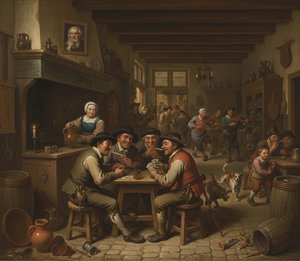
David Teniers II: Master of Flemish Genre & Social Commentary
Explore the captivating world of David Teniers II, a leading Flemish Baroque painter renowned for his lively genre scenes & insightful social commentary. Discover his masterpieces and legacy with OriginalUniqueArt.
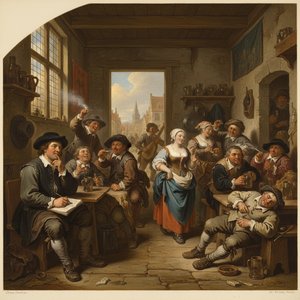
David Teniers the Younger: Genre Painting & Social Commentary in Baroque Flanders
Explore the captivating world of David Teniers the Younger, a leading Flemish Baroque painter. Discover his genre scenes, social commentary, and lasting influence on 17th-century art. Learn about his life, techniques & legacy.

Golden Age Reflections: Dutch Baroque Painting & Cultural Innovation
Explore the Dutch Golden Age of painting! Discover key artists like Vermeer & ter Borch, their innovative techniques, and the rich cultural context behind these Baroque masterpieces. Learn about collecting & appreciating this iconic art period.

Adriaen Brouwer: Capturing Dutch Life & Social Commentary Through Genre Painting
Explore the captivating world of Adriaen Brouwer, a master of Dutch Golden Age genre painting. Discover his vivid depictions of peasant life, social commentary, and lasting influence on art history. Learn more at OriginalUniqueArt.

Dutch Baroque Masters: 10 Paintings That Shaped an Era | OriginalUniqueArt
Journey through the Golden Age with our guide to the Top 10 Dutch Baroque masterpieces! Explore iconic paintings by Rembrandt, Vermeer & Frans Hals. Find museum-quality art reproductions and elevate your home decor at OriginalUniqueArt.com.