

 設置イメージを確認
 送る
送る シェア
シェア
 詳細情報
詳細情報 ガイドを表示

 画像をダウンロード
 似ている作品
 X線調査
X線調査 スライドショー
 統計情報
統計情報Family Portrait
 Oil On Canvas
- WallArt
- Dutch Golden Age Portraiture
 1665
1665- Early Modern
 132.0 x 181.0 cm
 エルミタージュ美術館
 続きを読む
続きを読む
ジークレー/アートプリント
スピーディーな制作と多彩な仕上げオプションが魅力の、ミュージアムクオリティなジークレー・キャンバスプリント。 ( 手描きの複製画を注文する デジタル画像販売へ切り替え)




P118B $10

P118H $10

P118W $10

P438Z $10

P508JH $12

P508YH $12

P805H $10

P805Z $10

P919BZ $10

P919G $10

P919XJ $10

P959ZH $10

P968JZ $12

W106C $8

W218G $10

W218JH $8

W218Y $10

W307PJ $10

W316G $10

W316PJ $8

W316Y $10

W398PJ $8

W4111J $10

W500HY $15

W500JH $15

W692G $12

W849H $8

W940BG $15

W953PJ $8




作品のオリジナル比率に合わせた、当店の規定サイズからお選びください。

特定のフレームやスペースに合わせて、ご自身でサイズを指定することも可能です。選択されたサイズが元の画像の比率と一致しない場合、作品をトリミングするか、鏡面反射または単色での塗りつぶしによって画像を拡張いたします。制作を開始する前に、ご確認用のデジタルモックアップをお送りいたします。
画面上のプレビューには、実際のトリミングや拡張は反映されませんのでご注意ください。最終的な構図を正確に確認できるのは、モックアップのみとなります。
カスタムサイズも承っておりますが、元の比率を維持するためには、あらかじめ用意されたリストからサイズを選択することをお勧めいたします。


 ガラスオプションは、110cm未満のサイズでのみご利用いただけます。

Family Portrait
ジークレー/アートプリント
複製画サイズ一覧
-


合計金額
$ 80
A Glimpse into Dutch Grandeur
In the heart of the seventeenth century, during the zenith of the Dutch Golden Age, Abraham Lambertsz van den Tempel captured more than mere likenesses; he immortalized the very essence of aristocratic prestige. His masterpiece, "Family Portrait," serves as a breathtaking window into a world of opulence and social refinement. Completed between 1665 and 1670, this monumental canvas presents a carefully orchestrated tableau of six individuals—three men and three women—whose poised demeanors speak of lineage, wealth, and the enduring strength of familial bonds. As one gazes upon this assembly, there is an immediate sense of stepping into a private, high-society salon, where every glance and gesture has been curated to project an image of idealized virtue and stability.
The composition is anchored by a central female figure, whose presence radiates both authority and grace. She sits as the focal point of this domestic drama, her gaze meeting the viewer with an intimacy that bridges the centuries. In her hand, she cradles a small bird or perhaps a piece of fruit—a delicate detail that breathes life into the scene. Such motifs were far from accidental in the Baroque era; they often served as profound symbols of fertility, nurturing, and the blossoming of life within a noble household. This subtle layer of meaning invites the observer to look beyond the surface of the silk and lace, finding a deeper narrative of continuity and the preservation of legacy.
The Mastery of Light and Texture
To behold this work is to witness the pinnacle of Dutch Baroque technique. Van den Tempel was a master of chiaroscuro, employing subtle gradations of light and shadow to sculpt the figures from the darkness of the background. This soft, diffused lighting—reminiscent of natural light filtering through a high studio window—creates a sense of profound three-dimensionality. The artist’s ability to manipulate oil paint allows for a tactile experience; one can almost feel the cool, heavy sheen of satin robes and the crisp, intricate architecture of the lace collars and cuffs that adorn the subjects.
For the discerning collector or interior designer, the technical brilliance of this piece offers unparalleled aesthetic value. The way the light dances across the varied textures—from the matte skin tones to the lustrous fabrics—provides a dynamic visual interest that changes with the ambient lighting of a room. It is a painting that demands attention through its quiet complexity rather than through garish color, making it an exquisite centerpiece for a sophisticated study, a grand dining hall, or a curated gallery wall. The interplay of light and shadow does not merely decorate a space; it imbues it with a sense of historical weight and classical elegance.
A Legacy of Elegance for the Modern Interior
Beyond its historical significance, "Family Portrait" resonates with a timeless emotional depth. It evokes a sense of nostalgia for an era of craftsmanship and deliberate beauty. In an age of rapid digital imagery, there is something deeply grounding about the meticulous realism and psychological insight found in Van den Tempel’s brushwork. The painting captures the dignity of the human spirit and the quiet pride of a family standing united against the passage of time.
Bringing a high-quality reproduction of this work into a contemporary home allows for a seamless blend of historical grandeur and modern luxury. Whether placed in a minimalist setting to provide a striking classical contrast or integrated into a traditional decor scheme to enhance its richness, this portrait serves as an enduring symbol of taste. It is more than a decoration; it is an invitation to contemplate the virtues of heritage, the beauty of detail, and the timeless allure of the Dutch masters.
アーティストについて
Early Life and Influences (1887-1905)
- Born Sybren van Haersma Buma on January 13, 1887, in Leeuwarden, Netherlands.
- Came from a noble Frisian family with historical ties to the region's governance and land ownership.
- Early exposure to Frisian culture, language, and history significantly shaped his worldview and artistic interests. Frisian identity became central to his work.
- Initially showed an aptitude for law but ultimately pursued a career in politics and public service.
- Influenced by the rise of Dutch nationalism and the growing desire for greater autonomy within the Kingdom of Netherlands.
Political Career and Public Service (1905-1940)
- Began his political career as a member of the conservative Protestant Union party in Leeuwarden's city council.
- Rapidly ascended through the ranks, gaining recognition for his strong leadership skills and commitment to traditional values.
- Served as a member of the Frisian States (provincial parliament) from 1918 onwards, representing the Protestant Union.
- Became known for advocating for policies that supported agriculture, small businesses, and rural communities. Rural interests were paramount.
- Held various positions within the provincial government, including serving as a deputy governor (vice-governor) from 1933 to 1940.
Role During World War II and Occupation (1940-1945)
- During the German occupation of the Netherlands (1940-1945), Buma faced a difficult situation as a public official.
- Attempted to navigate the complex political landscape while resisting collaboration with the occupying forces. Resistance was subtle but present.
- Played a role in supporting Frisian cultural institutions and organizations that were threatened by German censorship and suppression.
- Reportedly helped individuals who were persecuted for their religious beliefs or political affiliations.
- His actions during the occupation remain subject to historical debate, with some scholars arguing that he could have done more to actively oppose the Germans.
Post-War Career and Legacy (1945-1978)
- After the liberation of the Netherlands in 1945, Buma resumed his political career.
- Served as a member of the Dutch House of Representatives (national parliament) from 1946 to 1962, representing the Protestant Union.
- Became a prominent voice for conservative and Christian-democratic values in Dutch politics.
- Advocated for policies that supported family values, religious freedom, and economic stability.
- Retired from active political life in 1962 but remained involved in various civic organizations.
- Died on December 28, 1978, in Leeuwarden, leaving behind a legacy as a respected politician and public servant who dedicated his life to serving the people of Friesland and the Netherlands. Frisian service defined his career.
Historical Significance
- Represented a generation of conservative politicians who sought to preserve traditional values in a rapidly changing world.
- Played a role in shaping Dutch politics during a period of significant social and economic transformation.
- His actions during World War II remain subject to historical debate, but he is generally regarded as having resisted collaboration with the occupying forces.
- Remembered for his commitment to serving the people of Friesland and the Netherlands, and for his dedication to upholding Christian-democratic values. Christian values were central.

abraham lambertsz. van den tempel
1622 - 1672 , Netherlands
アーティスト情報
- Artistic Movement Or Style: Governing coalition
- Full Name: Sybrand van Haersma Buma
- Nationality: Dutch
関連記事
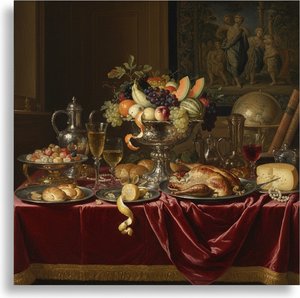
Abraham Hendricksz van Beyeren: Pioneering Dutch Still Life & the Banquet Tradition
Explore the captivating world of Dutch Golden Age still life with Abraham van Beyeren. Discover his innovative techniques, symbolic banquet scenes & lasting influence on art history. Learn about collecting these masterpieces.

Abraham Hulk Senior: Pioneering Maritime Topography of the Dutch Golden Age
Explore the captivating seascapes of Abraham Hulk Senior, a leading Anglo-Dutch marine painter of the 19th century. Discover his signature style, family legacy & collectable artworks at OriginalUniqueArt.

レンブラント傑作25選:光と影の巨匠、魂を揺さぶる名画の世界 | OriginalUniqueArt
レンブラントの傑作25選。光と影の魔術師が描いた魂を揺さぶる名画の世界へ。美術史に残る自画像、夜警、宗教画…OriginalUniqueArtで高品質なアートプリントやインテリアアートをお楽しみください。コレクションはこちら→

Golden Light & Dutch Skies: The Timeless Magic of Dutch Golden Age Landscapes
Discover the breathtaking beauty of Dutch Golden Age landscapes. Explore the mastery of light, chiaroscuro, and 17th-century realism through an expert art history lens, celebrating the enduring legacy of the Dutch Masters for discerning collectors and art lovers.

黄金世紀の巨匠たち:バロック絵画が彩る10選|OriginalUniqueArt
オランダ黄金時代の10大傑作を紐解く!レンブラント、フェルメール…バロック絵画の魅力と時代背景を深く探求。OriginalUniqueArtで、至高のアートコレクションと空間演出のヒントを見つけよう。高品質なアートプリントで、お部屋を華やかに。