
 設置イメージを確認
 送る
送る シェア
シェア
 詳細情報
詳細情報 ガイドを表示

 画像をダウンロード
 似ている作品
 X線調査
X線調査 スライドショー
 統計情報
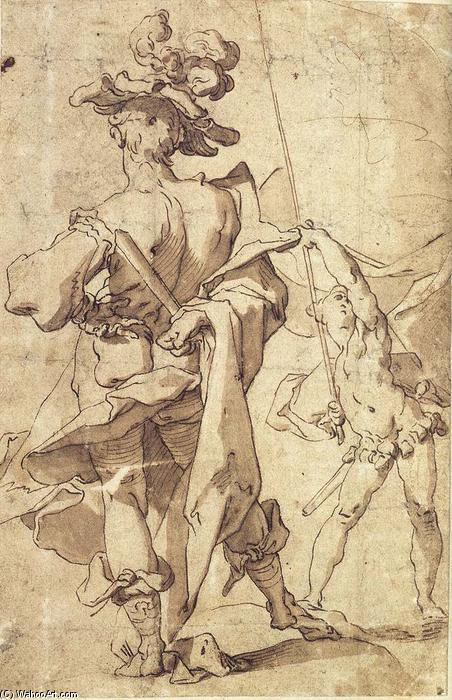
統計情報Warrior and Young Standard-Bearer
 Acrylic On Canvas
- WallArt
- Mannerism
 270.0 x 171.0 cm
 Museum Mayer van den Bergh
 続きを読む
続きを読む
ジークレー/アートプリント
スピーディーな制作と多彩な仕上げオプションが魅力の、ミュージアムクオリティなジークレー・キャンバスプリント。 ( 手描きの複製画を注文する デジタル画像販売へ切り替え)




P118B $10

P118H $10

P118W $10

P438Z $10

P508JH $12

P508YH $12

P805H $10

P805Z $10

P919BZ $10

P919G $10

P919XJ $10

P959ZH $10

P968JZ $12

W106C $8

W218G $10

W218JH $8

W218Y $10

W307PJ $10

W316G $10

W316PJ $8

W316Y $10

W398PJ $8

W4111J $10

W500HY $15

W500JH $15

W692G $12

W849H $8

W940BG $15

W953PJ $8




作品のオリジナル比率に合わせた、当店の規定サイズからお選びください。

特定のフレームやスペースに合わせて、ご自身でサイズを指定することも可能です。選択されたサイズが元の画像の比率と一致しない場合、作品をトリミングするか、鏡面反射または単色での塗りつぶしによって画像を拡張いたします。制作を開始する前に、ご確認用のデジタルモックアップをお送りいたします。
画面上のプレビューには、実際のトリミングや拡張は反映されませんのでご注意ください。最終的な構図を正確に確認できるのは、モックアップのみとなります。
カスタムサイズも承っておりますが、元の比率を維持するためには、あらかじめ用意されたリストからサイズを選択することをお勧めいたします。


 ガラスオプションは、110cm未満のサイズでのみご利用いただけます。

Warrior and Young Standard-Bearer
ジークレー/アートプリント
複製画サイズ一覧
-


合計金額
$ 80
Abraham Bloemaert’s Warrior and Young Standard-Bearer: A Study in Dramatic Mannerism
The artwork presented here – Abraham Bloemaert's “Warrior and Young Standard-Bearer” – is more than just a depiction of physical struggle; it’s a masterful distillation of artistic principles that encapsulate the anxieties and aspirations of the mid-16th century Dutch Republic. Measuring 270 x 171 cm, this monumental drawing offers an arresting glimpse into Bloemaert's creative process and reveals his profound engagement with the stylistic currents shaping European art at the time.Subject Matter and Composition
At its core lies a confrontation between two figures: a powerfully built male warrior dominating a younger man bearing a standard – likely symbolizing faith or leadership. The positioning is deliberately asymmetrical, emphasizing the dominance of the central figure while simultaneously conveying a palpable sense of vulnerability in his subordinate companion. This dynamic arrangement isn’t merely aesthetically pleasing; it speaks to broader themes prevalent during Bloemaert's era—the clash between authority and resistance, piety and pragmatism—issues that resonated deeply within the turbulent political landscape of Holland. The artist’s meticulous attention to anatomical detail underscores the importance of realism within a framework of expressive distortion characteristic of Mannerism.Stylistic Influences: Mannerist Distortion
Bloemaert's style is undeniably rooted in Mannerism, an artistic movement that reacted against the idealized forms of High Renaissance painting. Unlike its predecessors, Mannerism prioritized emotional intensity and psychological complexity over accurate representation. Bloemaert achieves this through elongated figures—a hallmark of the style—whose limbs stretch unnaturally, creating a sense of dynamism and instability. Furthermore, he employs exaggerated poses and gestures to convey emotion—fear, determination, defiance—capturing the essence of human experience with remarkable precision. The artist’s use of hatching and cross-hatching contributes significantly to the artwork's textural richness, simulating the appearance of aged parchment and lending an air of solemn contemplation to the scene.Technique and Material Considerations
Executed in black and white chalk on paper, “Warrior and Young Standard-Bearer” exemplifies Bloemaert’s mastery of drawing technique. The artist skillfully utilizes tonal variations—ranging from deep shadows to luminous highlights—to sculpt form and create a convincing illusion of depth. Careful observation informs every stroke, demonstrating an unwavering commitment to capturing the subtleties of human anatomy and conveying movement with breathtaking fluidity. The paper itself bears visible signs of age – creases and discoloration – hinting at its provenance as a preparatory sketch or study for a larger canvas. This deliberate choice underscores Bloemaert’s artistic ethos: prioritizing expressive gesture and psychological insight over slavish adherence to photographic accuracy.Symbolism and Emotional Resonance
Beyond its formal qualities, the artwork is laden with symbolic significance. The warrior embodies strength and dominance, while the young standard-bearer represents innocence and faith—a dichotomy that reflects the anxieties surrounding religious reform during Bloemaert’s lifetime. The dramatic lighting—originating from an unseen source above—amplifies the emotional impact of the scene, casting shadows that heighten tension and emphasizing the musculature of both figures. Ultimately, “Warrior and Young Standard-Bearer” transcends mere visual representation; it invites contemplation on themes of power, vulnerability, and spiritual conviction – emotions that continue to resonate with viewers today.Concluding Thoughts: An Artistic Legacy
Abraham Bloemaert’s “Warrior and Young Standard-Bearer” stands as a testament to the enduring power of Mannerist art—a style characterized by its expressive distortion and psychological depth. It serves as an invaluable insight into Bloemaert's artistic vision and offers a compelling illustration of the cultural anxieties confronting Holland during the formative years of the Baroque era. Reproductions of this remarkable drawing provide collectors and interior designers alike with an opportunity to appreciate not only Bloemaert’s technical prowess but also his profound engagement with the human condition—a legacy that continues to inspire admiration and contemplation centuries after its creation.アーティストについて
芸術に捧げられた生涯:アブラハム・ブルーマールが描いた世界
1564年にホルンヘッハで生まれ、1651年にユトレヒトでその生涯を閉じたアブラハム・ブルーマールは、オランダ絵画におけるマニエリスムからバロックへの転換期を象徴する極めて重要な人物です。宗教的、政治的な激動の時代にありながら、彼の長く多作なキャリアを通じて生み出された作品には、常に劇的な力強さと繊細な美しさが共存していました。ブルーマールの芸術への旅は、父コルネリス・ブルーマール1世の指導のもとで始まりました。建築家であった父は、彼に形態と構図に関する基礎的な理解を授けました。この初期の修行は、ユトレヒトでのヘリット・スプリンターやヨース・デ・ベールとの学びを通じてさらに洗練され、後の芸術的探求の礎となりました。そして、1581年から1583年にかけてのパリでの3年間が、彼の運命を決定づける重要な時期となります。パリにおいて彼は、ジャン・バソやメストル・ヘリーの影響を吸収すると同時に、同じくオランダ人画家であるヒエロニムス・フランケンらの作品に出会い、その様式的な視野を大きく広げました。このパリでの滞在は、フランス派の洗練された優雅さに彼を触れさせ、後の革新的な表現へと向かう舞台を整えたのです。マニエリスムからバロックへ:変容する美学
ユトレヒトに戻ったブルーマルは、瞬く間に第一線の画家としての地位を確立しました。当初の彼のスタイルは、引き伸ばされた人物像や優雅なポーズ、そして複雑な寓意物語を特徴とする、当時主流であったハールレム・マニエリスムに沿ったものでした。しかし、彼はその枠組みの中に留まるだけでは満足しませんでした。17世紀の幕開開とともに、ブルーマールは台頭しつつあったバロックの美学を取り入れ始めます。それは、躍動感の増大、感情的な強烈さ、そして高まった写実性によって特徴づけられる変化でした。この変遷は決して唐突なものではなく、むしろ両方の様式の要素を融合させ、彼独自の個人的な芸術言語へと昇華させていく緩やかな進化の過程でした。彼は劇的な光の効果、豊かな色彩、そして表情豊かな身振りを見事に操り、力強い物語を伝え、観る者の心に深い感情を呼び起こしました。彼の絵画は新たなエネルギーを帯び始め、それはまさに変化しゆくオランダ共和国の文化的景観を映し出していたのです。多様な主題と技法の巨匠
ブルーマールの芸術的成果は、驚くほど多岐にわたります。彼は歴史画において卓越した才能を発揮し、聖書の物語や古典神話を、圧倒的な細部描写と感情的な深みをもって描き出しました。風景画もまた彼のレパートリーの中で特別な地位を占めており、宗教画や神話の舞台として機能することもあれば、次第にそれ自体が独立した主題となり、日常の営みにふける人々が点在する絵画的な情景へと進化していきました。また、ブルーマールは絵画のみならず、エッチングやエングレービングの両方に精通した極めて熟練した版画家でもありました。これらの版画は、彼の芸術的ビジョンをより広く普及させる役割を果たし、彼の名声と影響力を高める大きな要因となりました。その技術的な習熟は静物画や動物画にまで及び、同時代の多くの画家とは一線を画す、類まれな多才さを証明しています。「ハガルとイシュマエルの追放」、「ヴィーナスとアドニス」、そして「戦士と若い旗手」といった代表作は、複雑な構図を制御し、繊細な感情を伝える彼の卓越した技量を如実に示しています。多大な影響を与えた教育者とその遺産
アブラハム・ブルーマールは、類まれな才能を持つ画家であるだけでなく、極めて影響力のある教育者でもありました。ユトレヒトに活気ある工房を設立し、後に著名な画家となる数多くの弟子を惹きつけました。驚くべきことに、彼の四人の息子――ヘンドリック、フレデリック、コルネリス、アドリアーン――は皆、父の足跡をたどり、画家や版画家として大きな成功を収めました。家族のみならず、ブルーマールはヤン・アールンツ・デ・ヘル、ニコラエス・ファン・ベルケイック、レオナールト・ブラメル、バルトロメウス・ブリーンベルフ、ヘンドリック・テル・ブルッヘン、ヘリット・ファン・ホントホルストといった、次世代のオランダ人画家たちを指導しました。彼の影響は、特に「ウトレヒト・カラヴァッジョ派」に対して深いものとなりました。彼らは、カラヴァッジョが切り拓いた劇的な写実主義とテネブリズム(明暗の強烈な対比)を取り入れた画家集団です。ブルーマールの教えは、彼ら独自の様式を形成する助けとなり、オランダ・バロック絵画の発展における中心的人物としての地位を不動のものにしました。彼の遺産は、技術的な輝き、感情的な力強さ、そして歴史的な重要性とともに、今日でもなお響き続けています。その作品は、芸術的な探求と革新に捧げられた生涯の証であり、美術史に消えることのない足跡を残しています。
アブラハム・ブルマールト
1564 - 1651
アーティスト情報
- Artistic Movement Or Style: バロック、マニエリスム
- Artists Or Movements Influenced By This Artist: ['ウトレヒト・カラヴァッジオ派']
- Artists Who Influenced This Artist: ['ヒエロニムス・フランケン']
- Date Of Birth: 1564年
- Date Of Death: 1651年
- Full Name: アブラハム・ブルマールト
- Nationality: オランダ
- Notable Artworks:
- ハガルとイシュマエルの追放
- ヴィーナスとアドニス
- 農民の風景画
- Place Of Birth: オランダ、ホルンヘム
関連記事

Monochrome Visions: Exploring the Aesthetic & Historical Significance of Black & White Photography
Explore the rich history & artistic power of black and white photography. From early techniques to iconic masters like Ansel Adams, discover why monochrome continues to captivate art lovers today. Expert insights for collectors.

Dark Masterpieces: 10 Iconic Paintings Dominated by Black Tones |
Explore 10 iconic paintings dominated by black tones, from Rembrandt’s chiaroscuro to Goya's dark expressions. Discover the stories behind these masterpieces & find museum-quality art reproductions for your home at .
Timeless & Chic: Elevating Your New Home with the Sophistication of Black and White Photography
Transform your new home with the timeless allure of black and white photography. OriginalUniqueArt.com specializes in elegant monochrome decor and custom hand-painted wedding portraits that turn cherished milestones into lasting, soulful masterpieces. Elevate your space with ease.

White on Canvas: 10 Masterpieces & Timeless Elegance for Your Home Decor
Explore 10 iconic white paintings by Monet, Whistler & Rothko! Discover the stories behind these serene masterpieces and their impact on art history. Find museum-quality reproductions for your home decor at .

Shadow & Soul: Why Black & White Photography Remains the Ultimate Power Move in Modern Art
Discover why black & white photography remains a powerful force in contemporary art. Explore the impact of light, shadow, and texture through a visual journey of monochrome mastery and learn how to elevate your space with timeless grayscale aesthetics.
