Scopri Eugène Anatole Carrière (1849-1906), pittore simbolista francese noto per le sue monocromatiche opere e l'influenza su Picasso. Esplora la sua eredità su OriginalUniqueArt!
Scopri Agustín Querol y Subirats (1860-1909), eminente scultore neoclassico spagnolo. Esplora le sue opere monumentali, tra cui il Panteón Guirao e altro ancora! Guarda le opere presso Syracuse University e Rutgers.
Joaquim Mir (1873-1940): pittore catalano simbolo del Modernismo, noto per i suoi paesaggi vibranti e l'uso espressivo del colore. Scopri la sua visione unica e lasciati ispirare dalla luce.
Un Santuario del Suono: Esplorando la Vil·la Casals-Museu Pau Casals
Adagiata lungo la serena spiaggia di Sant Salvador a El Vendrell, in Spagna, la Vil·la Casals-Museu Pau Casals non è un semplice museo; è un viaggio immersivo nella vita e nell'eredità di uno dei violoncellisti più venerati del XX secolo. Più che un mero deposito di reperti, questo sito Patrimonio dell'Umanità UNESCO offre una connessione profonda con Pablo Casals: il suo spirito artistico, il suo incrollabile impegno per la pace e lo stesso paesaggio che lo ha plasmato. La villa stessa, progettata dall'architetto Francisco Solà Gené nel 1910, rappresenta un'armoniosa fusione tra l'architettura del Noucentisme catalano e la bellezza naturale del suo contesto costiero. La sua costruzione ebbe inizio come una modesta residenza estiva, evolvendosi nei decenni nella magnifica dimora che ammiriamo oggi, testimonianza della visione duratura di Casals e del suo legame indissolubile con il luogo di nascita. Il design dell'edificio riflette un'integrazione deliberata con l'ambiente, utilizzando materiali locali e abbracciando le viste panoramiche sul Mar Mediterraneo, creando un'atmosfera di tranquillità e ispirazione.
Significato Architettonico:
Il progetto di Solà Gené è caratterizzato da linee pulite, forme geometriche e una meticolosa attenzione ai dettagli, incarnando i principi del Noucentisme catalano, un movimento che enfatizza il razionalismo, la funzionalità e un ritorno ai valori classici.
Il Giardino come Estensione:
L'ampio giardino della villa, curato con minuzia nel corso dei decenni, non ha una funzione puramente decorativa; esso è parte integrante del processo creativo di Casals. Sculture di eminenti artisti catalani sono strategicamente collocate nel parco, creando un dialogo continuo tra arte e natura.
Un Riflesso dell'Anima dell'Artista:
Ogni stanza della villa sussurra storie della vita di Casals, dai ricordi d'infanzia alle sue rivoluzionarie interpretazioni musicali. L'arredamento accuratamente preservato, gli oggetti personali e gli spartiti originali offrono scorci intimi sulla mente di un genio.
Il Cuore della Collezione: Arte, Musica e Tesori Personali
Nel cuore della Vil·la Casals-Museu risiede una collezione straordinariamente diversificata che trascende i confini delle tradizionali esposizioni museali. Non si tratta semplicemente di una collezione *di* Pablo Casals; è un riflesso *di* lui: delle sue passioni, delle sue influenze e della sua profonda comprensazione della bellezza in tutte le sue forme. Il museo presenta un importante insieme di dipinti di Francesc Pla, noto come “El Vigatà”, un illustre artista catalano le cui opere catturano l'essenza del paesaggio e della cultura regionale. Questi pezzi non erano semplici aggiunte decorative; Casals li cercò attivamente, riconoscendone il merito artistico e il legame con la sua terra natale.
I Paesaggi di Pla:
I dipinti di Pla offrono una splendida narrazione visiva della costa catalana, rispecchiando la bellezza serena che ha ispirato Casals per tutta la sua vita.
Sculture e Ceramiche:
Una notevole collezione di sculture e ceramiche, realizzate principalmente da artisti locali, aggiunge un ulteriore strato al mosaico artistico del museo. Queste opere riflettono l'identità regionale e le tradizioni che risuonavano profondamente in Casals.
Strumenti Musicali e Spartiti:
Oltre alla pittura, il museo custodisce una straordinaria gamma di strumenti musicali – inclusi diversi violoncelli – insieme a spartiti originali e manoscritti del vasto repertorio di Casals. Questi oggetti forniscono una preziosa chiave di lettura sul suo stile esecutivo e sulle sue tecniche compositive.
Un'Eredità Forgiata nella Pace: La Missione della Fondazione
La Fondazione Pau Casals, istituita dal violoncellista e da sua moglie, Marta Montañez, svolge un ruolo cruciale nella preservazione e diffusione dell'eredità di Casals. Nata dal desiderio di salvaguardare la villa e la sua collezione, la fondazione si è evoluta in una dinamica istituzione culturale dedicata alla promozione della pace, della responsabilità sociale e dei diritti umani – valori che furono centrali nella vita e nell'opera di Casals. La fondazione interagisce attivamente con le comunità locali attraverso programmi educativi, concerti ed esposizioni, assicurando che il messaggio di armonia e comprensione di Casals continui a risuonare attraverso le generazioni.
Iniziative Chiave:
Programmi Educativi:
Rivolti a scuole e famiglie, questi programmi introducono i visitatori alla vita, alla musica e alla filosofia di Casals in modo coinvolgente e accessibile.
Concerti e Performance:
Regolari concerti che presentano esecuzioni al violoncello – spesso affidate a musicisti di fama internazionale – riportano in vita lo spirito dell'arte di Casals.
Mostre ed Eventi:
Il museo ospita una varietà di esposizioni ed eventi che esplorano diverse sfaccettature della vita e del lavoro di Casals, dalle sue innovazioni musicali ai suoi sforzi umanitari.
Una Visita Oggi: Un'Esperienza Trasformativa
Oggi, la Vil·la Casals-Museu Pau Casals si erge come testimonianza del potere duraturo dell'arte, della musica e della connessione umana. Il progetto di restauro in corso, sostenuto dal Governo della Catalogna e dal Consiglio Provinciale di Tarragona, promette di arricchire ulteriormente l'esperienza del visitatore, garantendo che questo spazio straordinario rimanga un centro vibrante per la conservazione culturale e l'ispirazione artistica. Una visita qui è molto più di una semplice escursione turistica; è l'opportunità di entrare nel mondo di Pablo Casals, di contemplare la sua profonda eredità e di lasciarsi emozionare dalla bellezza che egli ha così appassionatamente difeso. L'impegno del museo verso l'accessibilità, unito alla sua ricca collezione e ai programmi coinvolgenti, lo rende una destinazione imperdibile per gli amanti dell'arte, gli appassionati di musica e chiunque cerchi una comprensione più profonda di questo artista straordinario e del suo impatto sul mondo.
A cura del team editoriale di OriginalUniqueArt.com
Quiz d'arte
Per ogni domanda è presente una sola risposta corretta.
Domanda 1:
Qual è la città dove si trova il Museo Casa-Museo Pau Casals?
Domanda 2:
Il museo celebra principalmente l'attività musicale di:
Domanda 3:
In che stile architettonico è stata costruita la Villa Casa-Museo Pau Casals?
Domanda 4:
Quale artista ha realizzato alcuni dipinti importanti che sono esposti nel museo?
Domanda 5:
Il Museo Casa-Museo Pau Casals è stato dichiarato Patrimonio Nazionale Italiano per:
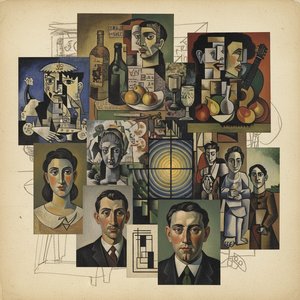
Esplora i 10 capolavori del Cubismo con OriginalUniqueArt. Scopri Picasso, Braque e Gris e la rivoluzione artistica delle forme geometriche e dei colori audaci. Quadri iconici per decorare casa con stile! Esplora la collezione online.
Esplora i 25 capolavori immortali di El Greco, il maestro del manierismo e della pittura religiosa. Scopri la storia, lo stile unico e le emozioni dietro ogni opera. Stampe e riproduzioni d'arte su OriginalUniqueArt.com per decorare con bellezza.
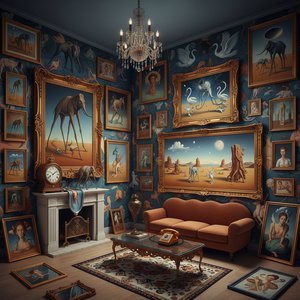
Esplora i 25 capolavori di Salvador Dalí, icone del surrealismo. Scopri la storia, il simbolismo e le tecniche dietro quadri come 'La persistenza della memoria'. Trova stampe arte e decorazioni casa uniche su OriginalUniqueArt.com!