San Domenico: Siena’s Gothic Heartbeat
Nestled atop Camporegio Hill, overlooking Siena’s Piazza del Campo—the heart of Tuscany and a UNESCO World Heritage Site—lies San Domenico Basilica, more than just a church; it's an embodiment of medieval piety interwoven with Renaissance artistic brilliance. Founded in 1226 by the Dominican Order, this monumental edifice stands as a testament to Siena’s enduring devotion to Saint Catherine of Siena, whose influence permeated every facet of Sienese life and culture.
A Gothic Vision: The basilica's austere façade—characterized by a simple rose window and robust stone construction—immediately establishes its Gothic heritage. Constructed between 1226 and 1265, it reflects the stylistic preferences of the time, prioritizing structural integrity and spiritual grandeur. Its soaring arches and expansive nave speak to the ambition of builders striving for celestial heights.
Architectural Layers: Subsequent renovations throughout the centuries – including devastating fires in 1443, 1456 and 1531 – have reshaped its appearance. However, the original Cistercian-Gothic design remains discernible, particularly in the nave’s soaring arches and the expansive crypt from the fourteenth century. These transformations underscore Siena's dynamic history—a chronicle of faith, resilience, and artistic evolution.
Frescoes That Whisper Saints' Secrets
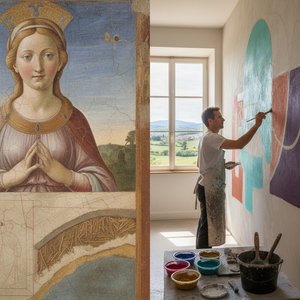
The basilica’s artistic treasures are primarily housed within its interior, where the breathtaking frescoes by Sodoma dominate the nave. These monumental canvases depict sacred narratives and portray Saint Catherine herself with remarkable sensitivity—particularly Andrea Vanni’s portraits capturing her contemplative gaze and serene expression. The Ecstasy of St. Catherine is a masterpiece of color and composition, conveying the profound spiritual experience at the core of Saint Catherine's sanctity.
Sodoma’s Genius: Sodoma’s frescoes are considered among the finest examples of Renaissance painting in Italy. They exemplify the artistic ideals of the era—harmony, balance, and meticulous detail—reflecting Siena’s intellectual fervor during the Quattrocento. The artist skillfully employed sfumato—a technique pioneered by Leonardo da Vinci—to create subtle gradations of light and shadow, enhancing the frescoes' emotional impact.
Notable Scenes: Among Sodoma's works is “The Fainting of St. Catherine,” a poignant depiction capturing Saint Catherine’s physical vulnerability alongside her unwavering faith. These images resonate with viewers today, conveying timeless themes of devotion and spiritual struggle. The meticulous rendering of drapery and facial expressions testifies to Sodoma’s mastery of artistic technique.
A Legacy Rooted in Faith and Patronage
San Domenico Basilica holds an unparalleled significance within the history of Siena and Christian art. It served as St. Catherine’s home and place of prayer—a fact that cemented her veneration throughout Siena and beyond. The basilica's enduring reputation stems from its role as a pilgrimage site, attracting pilgrims from across Europe who sought solace and inspiration in Saint Catherine’s presence.
Relics of Saint Catherine: Preserved within the basilica are relics of St. Catherine’s head—a tangible symbol of her sanctity and a focal point for devotion. These relics continue to draw pilgrims from around the world, underscoring Siena’s spiritual heritage. The veneration surrounding these relics reflects the profound impact Saint Catherine had on medieval piety.
Historical Transformations: The basilica has undergone numerous renovations throughout its history, reflecting Siena’s evolving cultural landscape. Fires and earthquakes have tested its resilience—yet it stands proudly as a beacon of faith and artistic achievement. Each restoration effort underscores Siena's commitment to preserving its architectural heritage and honoring Saint Catherine’s legacy.
More Than Just Stone and Paint
What distinguishes San Domenico Basilica from other churches is the extraordinary fusion of Gothic architecture and Renaissance art—a testament to Siena’s intellectual dynamism during the fifteenth century. Its harmonious blend of exterior grandeur and interior beauty creates an immersive experience for visitors, transporting them back in time to a period defined by piety, artistic innovation, and cultural prestige. Today, San Domenico continues to inspire artists and scholars alike, ensuring that Siena's legacy as a cradle of faith and art endures for generations to come.