- Pagina iniziale

- Musei
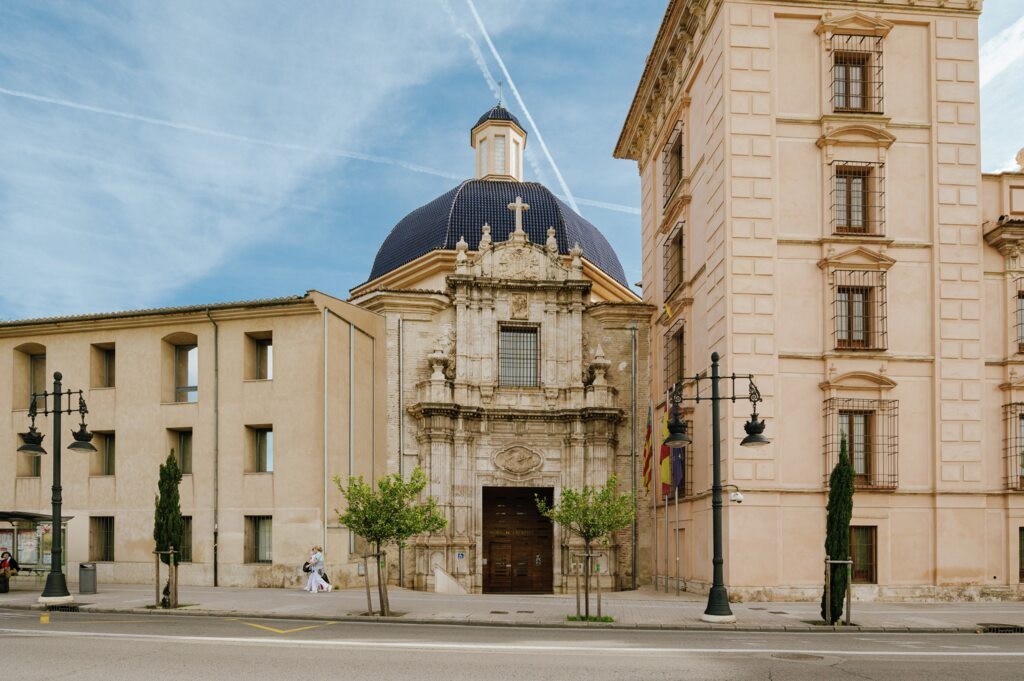
- Museu de Belles Arts de València
Sommario
Dettagli rapidi
- Location: Valencia, Spain
- Works on APS: 2
- Alternate names:
- Museo de Belles Arts de València
- Museum of Fine Arts of Valencia
- Musée des Beaux-Arts
- Museu de les Arts Belles
- MBAV
- Featured artists:
- joaquín agrasot y juan
- Domenico Fiasella
Artisti in collezione

Joaquín Agrasot y Juan
Joaquín Agrasot y Juan: pittore realista spagnolo celebre per il genere Costumbrismo e le sue opere che catturano l'anima della Spagna del XIX secolo. Scopri la sua arte e il suo contributo alla storia dell'arte spagnola!


Domenico Fiasella
Domenico Fiasella (1589-1669) fu un artista chiave del Barocco genovese, noto per le sue opere religiose e l'uso espressivo della luce e dell'ombra. Celebre per affreschi monumentali come "Cristo che Guarisce gli Ciechi" e "Cristo che Riai il Figlio di Nain", Fiasella influenzò profondamente la scuola genovese e lasciò un segno duraturo nella storia dell'arte barocca italiana.
Articoli correlati

I 25 Capolavori del Prado: Arte Spagnola e Decorazioni di Lusso per la Tua Casa
Esplora i 25 capolavori del Museo del Prado: Velázquez, Goya, El Greco e altri maestri spagnoli. Scopri storie, tecniche e colori che hanno reso queste opere immortali. Trova riproduzioni d'arte di alta qualità per la tua casa su OriginalUniqueArt.com!

The Golden Light of Innovation: Exploring the Venetian Renaissance Art Movement (1430–1580)
Explore the Golden Age of Venetian art (1430–1580). Discover Giorgione, Titian & Tintoretto's techniques, the 'colorito' revolution, and lasting influence. Expert insights for collectors & enthusiasts.
Echoes of the Past: Exploring Historical Artwork Through Reproduction & Contemporary Relevance
Explore the world of historical artwork through high-quality reproductions & insightful analysis. Discover Renaissance masterpieces, artist interpretations, and connect with art history today! Trusted quality since 2004.
Catalogo delle opere d'arte
Nessuna opera trovata.


Iscriviti alla nostra newsletter
Rimani aggiornato sulle ultime novità dell'arte, sulle offerte esclusive e sulle idee di decorazione.
Ricevi 3 suggerimenti d'arte gratuiti
Raccontaci del tuo progetto e i nostri esperti d'arte ti proporranno 3 suggerimenti artistici personalizzati.
Not Sure Where to Start?
Let Us Curate 3 Options Just for You - Free!