Menu
CONSULENZA D'ARTE GRATUITA

Museo del Beaux-Arts

Dettagli rapidi

  • Mediums:
    • acrilico su tela
    • olio su tela
  • Historical periods: xix secolo
  • Works on APS: 4
  • Featured artists:
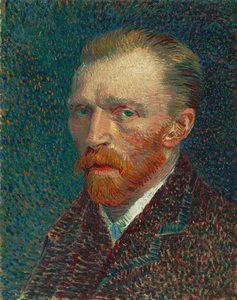
    • vincent willem van gogh
    • Jacques-Louis David
    • Jean-Baptiste-Siméon Chardin
    • jules adolphe aimé louis breton
  • Espandi dettagli…
  • Art types: opere d'arte da parete
  • Alternate names:
    • Palais des Beaux-Arts de Lille
    • PBA
    • Palazzo di Lilla delle Belle Arti
    • MdBA
    • Musee des Beaux-Arts
  • Location: Lilla, Francia

Quiz d'arte

Per ogni domanda è presente una sola risposta corretta.

Domanda 1:
Qual è il nome del museo che ospita una collezione di opere d'arte europea dal Rinascimento ai giorni nostri?
Domanda 2:
Quando è stato fondato il Museo delle Belle Arti di Lille?
Domanda 3:
Chi ha progettato l'attuale edificio del museo?
Domanda 4:
Qual è una delle principali caratteristiche della collezione del Museo delle Belle Arti di Lille?
Domanda 5:
Il museo è noto per aver ospitato un evento culturale importante nel 2004:

Musee des Beaux Arts

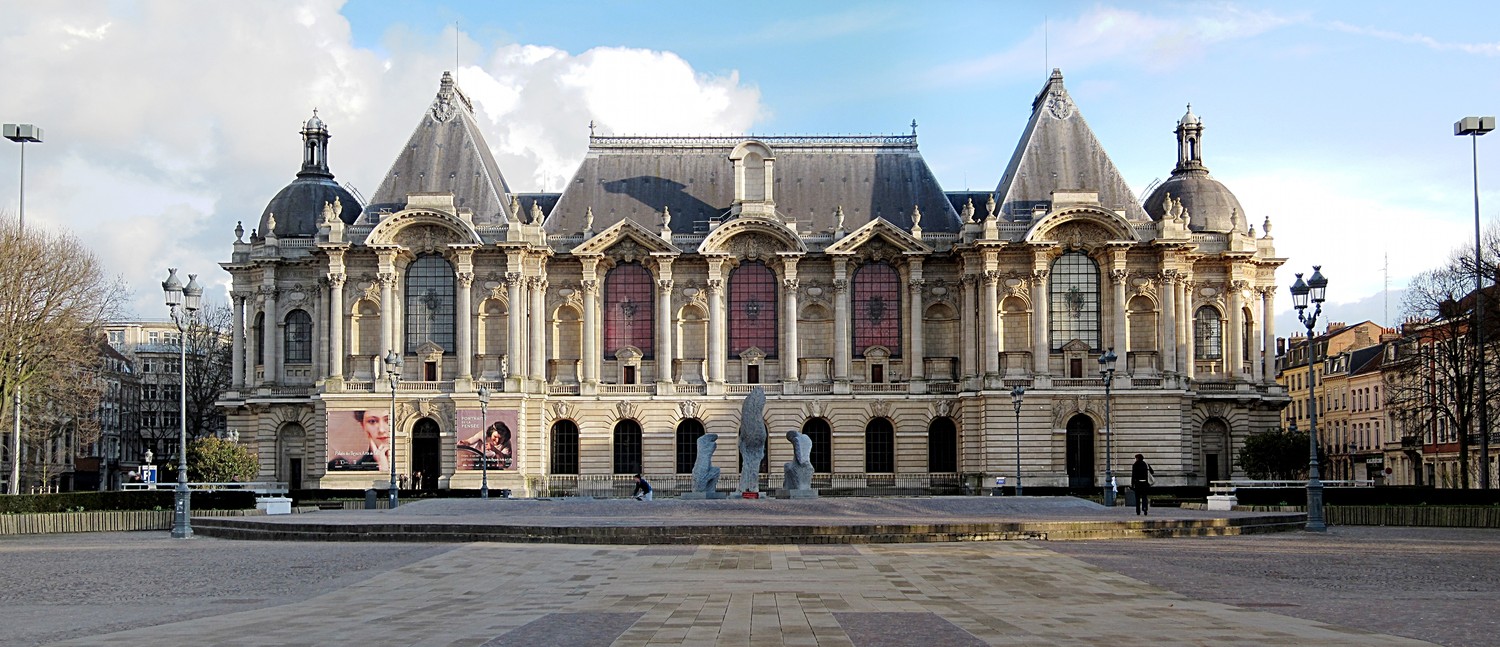
Nestled in the heart of northern France, the Musée des Beaux-Arts de Lille stands as a testament to centuries of artistic endeavor and cultural preservation—a beacon illuminating the rich tapestry of European art history. Founded in 1809 under the ambitious gaze of Napoleon I – an era defined by both conquest and a fervent desire to democratize access to artistic treasures – the museum’s origins are rooted in a revolutionary spirit. Initially conceived as a means of showcasing artworks seized during Napoleonic campaigns, it quickly evolved into a dedicated space for nurturing creativity and fostering public appreciation for the arts. The current magnificent structure, completed in 1892, is itself a work of art; its Baroque-revival architecture exudes an elegant grandeur that hints at the treasures held within. A sensitive renovation in the 1990s ensured this historical charm was preserved while simultaneously adapting the building to meet the demands of a modern cultural institution. A Panorama of Artistic Expression Stepping inside the Musée des Beaux-Arts is akin to embarking on a journey through time, traversing the evolution of artistic styles and movements. The museum’s collection, boasting over 72,000 pieces, is remarkably diverse, offering an unparalleled panorama of European artistic heritage. Renaissance and Medieval art take center stage with works like Dirk Bouts' breathtaking *Ascension of the Elect and Fall of the Damned*, a powerful depiction of spiritual struggle and divine judgment. The classical masters are well-represented, with paintings by Van Dyck showcasing his refined portraiture and Rubens’ dynamic compositions bursting with energy and color. Delacroix, Goya, and El Greco contribute their unique visions, each brushstroke revealing profound emotional depth and technical brilliance. Beyond painting, the museum's holdings extend to an impressive array of sculptures – including works by Rodin and Claudel – ceramics, and a particularly fascinating collection of relief models created by Vauban. These intricate architectural representations offer a rare glimpse into the military engineering strategies of the 17th century, revealing the meticulous planning behind fortified towns and strategic defenses. The museum doesn't merely display art; it invites dialogue between epochs, allowing visitors to trace the evolution of human expression across centuries. Unique Treasures and Enduring Legacy What truly sets the Musée des Beaux-Arts de Lille apart is not merely the caliber of its collection but also its unique character as one of France’s largest provincial museums. It serves as a vital cultural hub for the region, attracting art enthusiasts from across the globe. The museum’s commitment to accessibility is evident in its ongoing efforts to engage diverse audiences through innovative educational programs and inclusive initiatives. Whether you are an art connoisseur seeking masterpieces or a curious traveler eager to explore French culture, a visit to the Musée des Beaux-Arts de Lille promises an unforgettable journey through centuries of artistic achievement – a testament to the enduring power of human creativity. It is a place where history breathes, inspiration flourishes, and the beauty of art resonates with every visitor. A Living Cultural Space The Musée des Beaux-Arts is not simply a static display of historical artifacts; it's a dynamic, evolving space that continues to inspire and provoke thought. Temporary exhibitions regularly showcase both established and emerging artists, fostering dialogue and pushing creative boundaries. The museum also hosts lectures, screenings, and workshops, further enriching the cultural landscape of Lille. Whether you are an art historian delving into stylistic nuances or simply seeking aesthetic enrichment, the Musée des Beaux-Arts offers a stimulating environment for intellectual curiosity and artistic appreciation. Its location in Lille’s historic center—adjacent to Place de la République—adds to its charm, creating a setting that is both intellectually rewarding and aesthetically captivating. Beyond the Canvas: A Poem's Echo Interestingly, the Musée des Beaux-Arts holds a unique literary connection. W. H. Auden’s poignant poem “Musée des Beaux Arts,” inspired by Pieter Bruegel the Elder’s *Landscape with the Fall of Icarus* housed within its walls, serves as a powerful meditation on human indifference to suffering. The poem describes, through the use of Bruegel's paintings, humankind’s detachment from profound emotional experiences—a stark contrast between the grandeur of artistic creation and the mundane realities of everyday life. Auden’s masterful verse captures the essence of this duality, prompting contemplation about perspective and the significance of confronting difficult truths. The Musée des Beaux-Arts’ association with Auden's literary masterpiece underscores its role as a space for fostering intellectual engagement and stimulating emotional resonance—a place where art transcends mere visual representation to engage viewers on a deeper level.

Catalogo delle opere d'arte