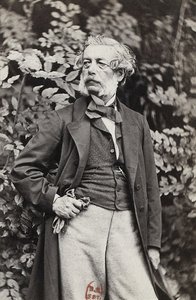
Scopri Alexandre Cabanel (1823-1889), un maestro della pittura francese accademica rinomata per opere classiche e storiche come 'La nascita di Venere'. Esplora ritratti, scene religiose e la sua influenza duratura nel panorama artistico del XIX secolo.
Franz Xaver Winterhalter (1805-1873): ritrattista tedesco celebre per i suoi ritratti aristocratici e reali. Unisce realismo e adulazione, catturando l'eleganza delle corti europee del XIX secolo.
A Royal Legacy Preserved: Exploring Château de Compiègne’s Artistic Treasures
Château de Compiègne stands as a testament to France's multifaceted past—a place where imperial grandeur intertwined with artistic innovation and the echoes of revolution linger. More than just a stately château, it’s a curated experience offering visitors an unparalleled journey through centuries of history and artistry. Located near the serene Forest of Compiègne, this UNESCO World Heritage Site welcomes exploration into three distinct museums: The Apartments of Napoleon III, The Museum of the Second Empire, and The National Car and Tourism Museum—each contributing to a comprehensive narrative of French cultural evolution.
Architectural Grandeur:
Constructed initially in the 14th century, Château de Compiègne underwent significant transformations throughout its history, culminating in Napoleon III’s ambitious restoration project. The château embodies neoclassical elegance with its triangular plan and meticulously crafted facades—a deliberate reflection of Enlightenment ideals blended seamlessly with imperial ambition. Its soaring ceilings and expansive windows illuminate masterpieces from across eras, creating an atmosphere of refined splendor that transports visitors back to the heart of French aristocratic life.
A Window into Imperial Life:
Within The Apartments of Napoleon III, visitors are transported back to the opulent era of Emperor Napoleon III and Empress Eugénie. Furnished with exquisite Belle Époque artworks and decorative arts, these rooms reveal a fascination for grandeur and artistic patronage that defined the period. The museum’s curators have painstakingly recreated the atmosphere of royal residences, allowing guests to immerse themselves in the splendor of French imperial culture. Admire portraits depicting influential figures of the time alongside opulent textiles and gilded furnishings—a visual feast celebrating the pinnacle of French aristocratic taste.
Beyond Decoration: Artistic Achievements
The Museum of the Second Empire showcases a remarkable collection of paintings and sculptures reflecting the artistic sensibilities of the era. Notably, Valentin de Boulogne’s “The Tribute to Caesar” (1620), a Baroque masterpiece brimming with dramatic chiaroscuro and emotional intensity, captivates viewers with its masterful technique—a cornerstone piece demonstrating the influence of Caravaggio's style on French artists. Furthermore, Antoine Jean Gros’ “The Battle of Abukir” (1839) portrays the Napoleonic Wars with visceral realism, capturing the dynamism and heroism of military conflict through a bold palette and expressive brushstrokes. These artworks serve as powerful reminders of France’s artistic heritage during a pivotal moment in European history.
Carriage Collection:
The National Car and Tourism Museum presents an extraordinary assemblage of carriages—a tangible link to the aristocratic lifestyle of bygone eras. These vehicles represent not merely transportation but also symbols of status and prestige, reflecting the tastes and aspirations of French nobility throughout the 18th and 19th centuries. Marvel at intricately crafted coaches adorned with lavish ornamentation and showcasing innovative designs that foreshadowed the advancements of automotive engineering.
A Singular Destination
What distinguishes Château de Compiègne is its multifaceted approach to historical storytelling. Combining architectural grandeur with artistic treasures—spanning from Baroque drama to Belle Époque elegance—the château offers visitors a holistic understanding of French cultural heritage. Its location amidst the tranquil Forest of Compiègne enhances the experience, creating an idyllic setting for contemplation and discovery. Explore this remarkable monument and delve into the captivating narratives woven within its walls—a journey through royal history, artistic innovation, and the enduring legacy of Napoleon III’s vision for France.
A cura del team editoriale di OriginalUniqueArt.com
Quiz d'arte
Per ogni domanda è presente una sola risposta corretta.
Domanda 1:
Qual stile architettonico caratterizza il Castello di Compiègne?
Domanda 2:
Il castello servì come sede importante del potere reale durante quale periodo storico?
Domanda 3:
Qual museo all'interno del Castello di Compiègne ospita gli appartamenti restaurati di Napoleone?
Domanda 4:
Che tipo di opere d'arte spiccano nella collezione del Castello di Compiègne?
Domanda 5:
Lo stile architettonico adottato dalla trasformazione del castello sotto Napoleone III è:
Explore the life & art of Simon Vouet, a pivotal French Baroque painter who introduced Italian styles to France. Discover his masterpieces and lasting influence on 17th-century art.
Esplora la vita e l'opera di Carlo Le Brun, maestro del Classicismo Barocco francese. Scopri il suo ruolo a Versailles, le sue tecniche pittoriche e l'eredità duratura che ha lasciato nell'arte europea. Approfondimenti esclusivi e opere chiave.
Explore the rich history of French art, from the Salon to Impressionism & beyond. Discover iconic masters, key movements, and expert guidance for collecting timeless masterpieces. OriginalUniqueArt.